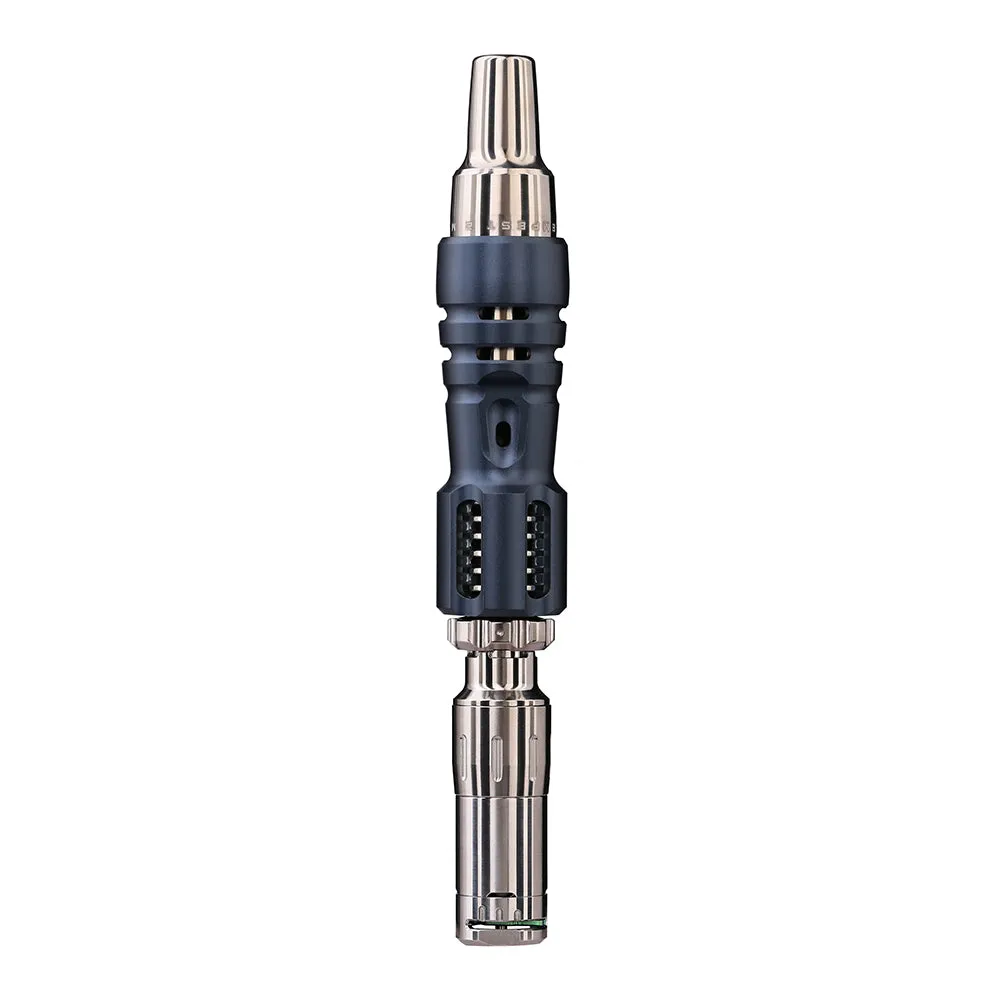
Key Takeaways
- Ruby balls conduct heat at 26–40 W/mK — a middle ground between flavor and extraction (MakeItFrom.com)
- SiC transfers heat 4–6× faster than ruby, but sacrifices some flavor nuance in the process
- Injector heads deliver denser hits, diffuser heads produce softer vapor; hybrid 360 heads combine both airflow paths.
- Best value: Ruby Twist Pro (from 207.55 € incl. shipping). Best overall: Taroma 360XLS (from 890.00 € other regions).
- Portable ball vapes like JCVAP HerbCloud, Tempest 2, and UniDyn work well on the go, but don’t match the performance of a desktop head on a mains coil.
What sets ball vape heads apart?
Ruby’s thermal conductivity sits between 26 and 40 W/mK; silicon carbide (SiC) reaches 120 to 170 W/mK — roughly 4 to 6 times higher (MakeItFrom.com, 2024). That single number explains why two ball vapes using different materials feel completely different even at the same temperature.
At its core, every ball vape head is just a chamber full of small balls. When hot air flows through those balls, the enormous combined surface area converts it into instant convection heat. More surface area means more even extraction. But the material of the balls determines how quickly heat transfers, how long it holds, and what the vapor ultimately tastes like.
Three variables separate one ball vape head from another: the ball material (what the balls are made of), the housing material (what holds the balls — titanium, quartz, ceramic, brass) and the airflow design (how air moves relative to the herb). Change just one of these and you change how a head hits and tastes.
The housing material plays almost as large a role as the balls themselves. A titanium housing retains residual heat between hits. A quartz housing does not — it cools quickly, which delivers cleaner flavor on the first hit but less consistency across the Session. That’s why the same ruby balls feel different in a Qaroma (quartz housing) than in a Taroma (titanium housing).
Ball materials: ruby vs. SiC vs. quartz vs. stainless steel
Ball materials for Tempest 2 and Tempest 2 Slim
The manual lists five ball materials for approx. 40 balls of 3 mm. Borosilicate is not included. Fill weights are approximate values.
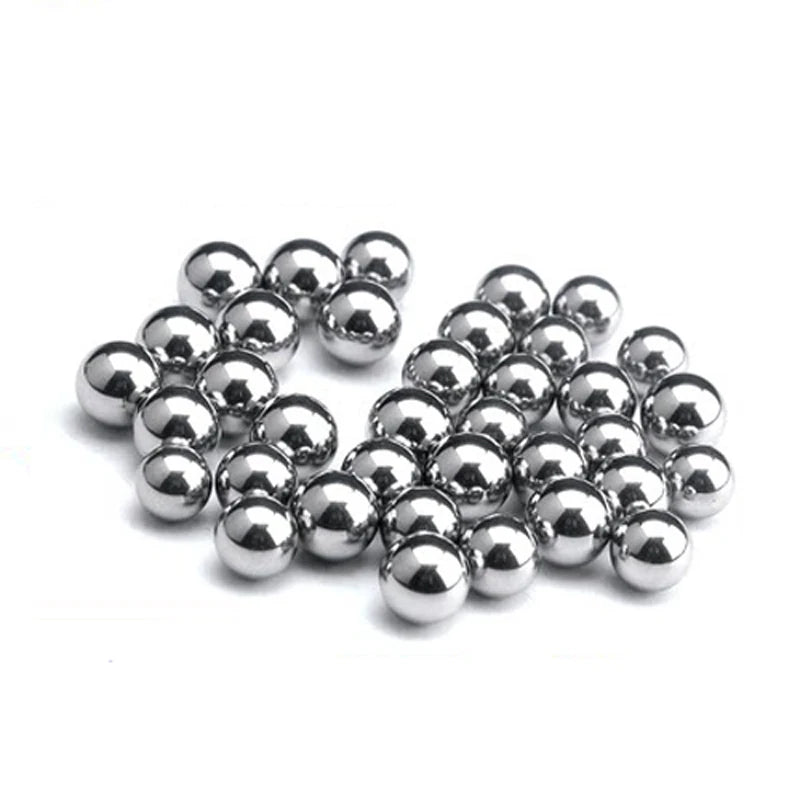 Stainless Steel
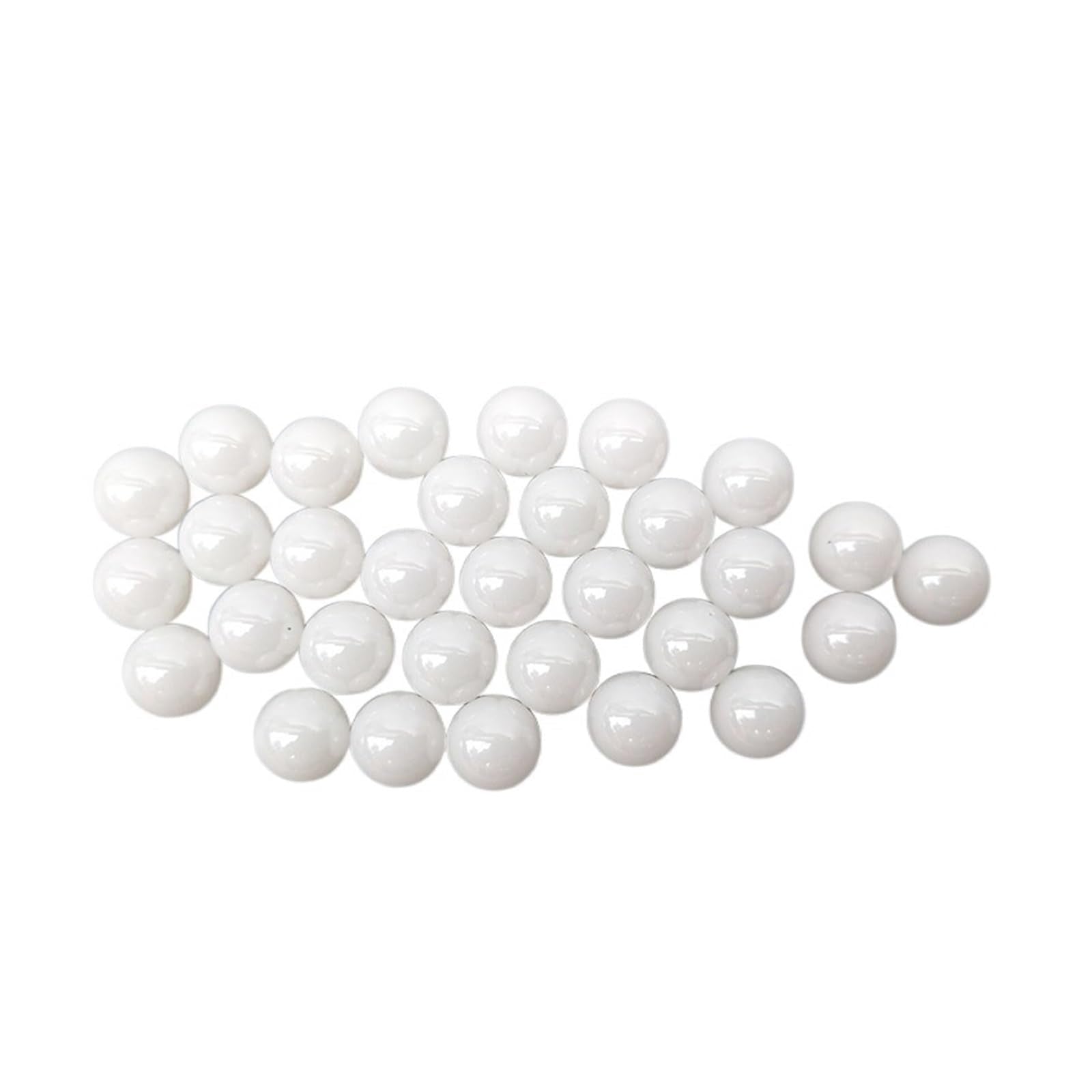 Zirconia
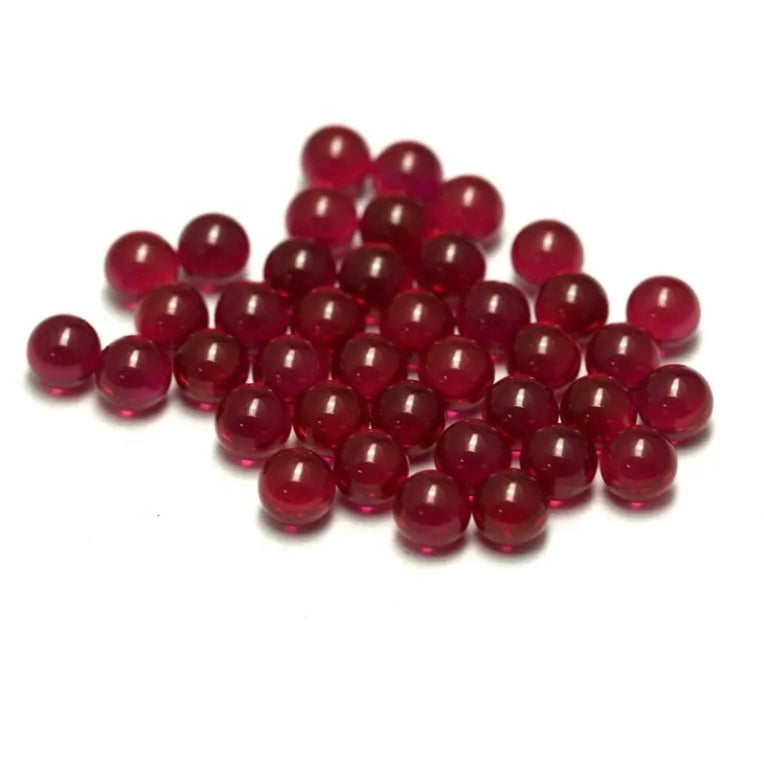 Ruby
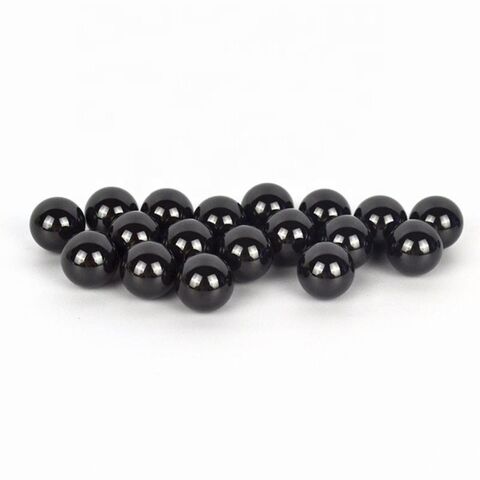 Silicon Carbide (SiC)
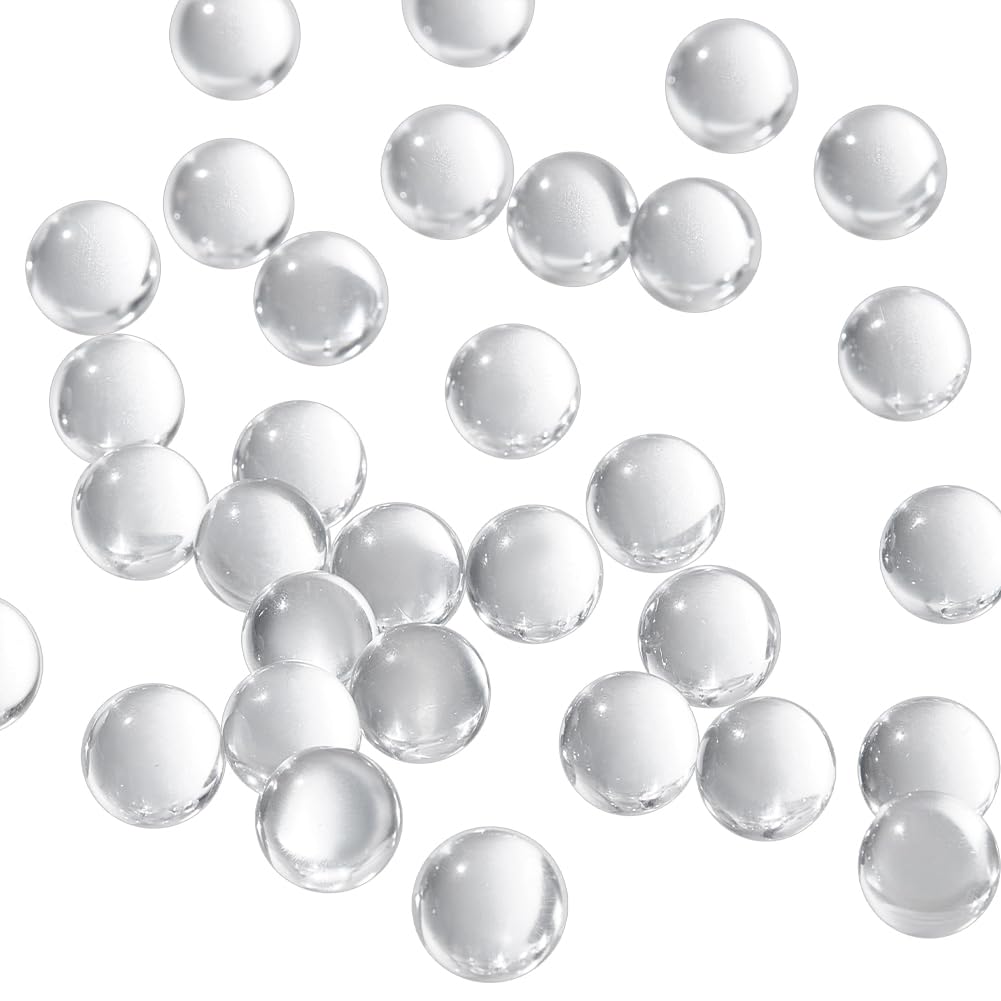 Quartz Glass
Source: MAD Heaters – Tempest 2 and Tempest 2 Slim manual
Manufacturer settings by heating cap material
Settings apply from room temperature. With a warm heating cap, reduce the YLL-3.0 timer by 8–12 seconds and maintain the wattage. Wand values control the timer, not the actual temperature. They apply with the V3 adapter until timeout.
| Material | YLL 3.0 60 W | YLL 3.0 80 W | YLL 3.0 100 W | Wand timer setting |
|---|---|---|---|---|
| Stainless Steel | 49–54 s | 38–43 s | 29–32 s | 320 °C / 610 °F |
| Zirconia | 45–50 s | 35–40 s | 27–30 s | 280 °C / 525 °F |
| Ruby | 45–50 s | 35–40 s | 27–30 s | 280 °C / 525 °F |
| Silicon Carbide | 40–45 s | 31–36 s | 24–27 s | 260 °C / 490 °F |
| Quartz Glass | 39–43 s | 30–35 s | 23–26 s | 250 °C / 480 °F |
| Material | YLL 3.0 60 W | YLL 3.0 80 W | YLL 3.0 100 W | Wand timer setting |
|---|---|---|---|---|
| Stainless Steel | ≤ 60 s | 50–55 s | 38–42 s | 360 °C / 680 °F |
| Zirconia | 55–60 s | 46–50 s | 35–38 s | 340 °C / 645 °F |
| Ruby | 55–60 s | 46–50 s | 35–38 s | 340 °C / 645 °F |
| Silicon Carbide | 52–57 s | 40–45 s | 31–34 s | 320 °C / 610 °F |
| Quartz Glass | 50–54 s | 39–43 s | 29–32 s | 310 °C / 590 °F |
Sapphire and ruby are the same crystal — corundum (Al2O3) — with ruby getting its red color from trace amounts of chromium. Both share identical thermal properties: 26–40 W/mK conductivity, 870–940 J/kgK specific heat, and a melting point of 2,050 °C (Oskar Moser Datasheet). This combination makes them the standard for ball vapes: fast enough to respond immediately, with enough heat retention for multi-hit sessions — and with zero flavor of their own.
Silicon carbide (SiC) is the performance choice. At 120–170 W/mK, it conducts heat 4 to 6 times faster than ruby (MakeItFrom.com). In practice, SiC heads extract more aggressively. You get denser vapor and faster extraction, but the flavor profile loses some of the subtle terpene notes that ruby preserves. FC forum users consistently describe SiC as offering “slightly better thermal retention” at the cost of “some flavor” (FC Materials Thread, 2024).
Quartz balls are the budget option. Fused quartz conducts heat at only 1.5–3 W/mK (Wikipedia) — one tenth of ruby. They heat up slowly, cool down quickly, and are fragile. But that very low conductivity produces remarkably clean flavor. For users who prioritize taste over speed, quartz is therefore a viable option.
Stainless steel 316 has a conductivity of ~16 W/mK but a density of 8.0 g/cm³ — the heaviest common option (AZoM). That weight means high thermal mass per ball. Stainless steel balls store a lot of energy but release it slowly. They’re affordable, virtually indestructible, and a perfectly solid starting point. For flavor, users describe ruby as more neutral.
| Material | Conductivity (W/mK) | Specific Heat (J/kgK) | Density (g/cm³) | Melting Point (°C) | Ideal for |
|---|---|---|---|---|---|
| Ruby / Sapphire | 26–40 | 870–940 | 3.4–4.1 | 2,050 | Balance of flavor + heat retention |
| Silicon Carbide (SiC) | 120–170 | 670–1,180 | 3.0–3.2 | 2,730 | Maximum extraction performance |
| Quartz (fused) | 1.5–3 | ~700 | 2.2 | 1,713 | Purest flavor, budget setups |
| Stainless Steel 316 | ~16 | ~500 | 8.0 | 1,375 | Thermal mass at a low price |
| Titanium Gr. 2 | ~16.4 | ~523 | 4.5 | 1,668 | Housing material (not balls) |
| Zirconia (ZrO2) | 2–3 | ~450 | 5.7 | 2,715 | Dense, moderate heat retention |
Sources: MakeItFrom.com, Wikipedia, Bird Precision, AZoM
Injector vs. diffuser vs. hybrid 360: how airflow changes everything
Airflow design shapes a ball vape head almost as strongly as the ball material. In FC Forum threads, airflow type consistently ranks alongside ball material as a top factor for extraction quality (FC Forum, 2025). There are three designs on the market.
Injector heads push hot air from above through the ball chamber into the herb below. FlowerPot B1, Taroma OG, and Ruby Twist Pro all use this design. Injectors deliver denser draws and extract faster; they suit users who empty a load in one or two draws and then reload.
Diffuser heads reverse the principle. The herb sits directly on or between the balls, and air is drawn up through them from below. This distributes heat more evenly throughout the material. Qaroma, Ceroma, and the top side of the FlowerPot B2 all rely on diffuser designs. The result is softer draws, better-preserved flavor, and longer sessions from the same load.
Hybrid 360 designs such as QaromaShop’s Taroma 360 create an airflow that draws simultaneously around and through the balls. The 360XLS takes this further with 320 ruby terp pearls in a silver-coated titanium housing and a 25 mm coil (Ritual Colorado, 2025). This combines characteristics of both designs. The trade-off is that hybrid heads cost more and the 25 mm coil limits controller compatibility.
So which one should you get? Users who vaporize small amounts or prioritize flavor tend to prefer a diffuser, while those who want dense single draws lean toward an injector. The 360 hybrid combines both, but costs more.
13 Ball Vape Heads Compared
Premium Class
The FlowerPot B2 Essentials (399.55 € other regions, Cannabis Hardware) is a premium head. Grade 2 titanium housing, 58 quartz balls stock (ruby upgrade available), 14 mm and 18 mm compatibility, and with the Vrod configuration optionally flower, concentrates, or both at the same time. Cannabis Hardware has been building ball vape heads for years; the B2 is modular and considerably more expensive than mid-range options.
The Universal Baller (406.10 € incl. shipping, Terp Chasers Club) packs 1,000 ruby balls into an airpath made entirely of quartz and glass — according to Troy and Jerry (2026), the highest ball count of any commercial head. The large surface area distributes heat evenly. It suits users who want no contact between vapor and metal.
The Taroma 360XLS (890.00 € other regions, QaromaShop) launched in early 2025. Silver-coated titanium housing, ~320 ruby terp pearls, and a mandatory 25 mm coil that delivers more wattage than typical 20 mm setups. It retains the hybrid airflow of the original Taroma 360.
Mid-Range
The Qaroma (395.50 € incl. shipping · Import charges may apply, QaromaShop) is a diffuser. Quartz housing with ruby balls means no metal touches the airpath. The XL version has more thermal mass for multiple bowls in a row.
The Adaptaball (360.93 € incl. shipping, Vices) is the most versatile head on this list. The modular titanium core with swappable injectors allows switching between injector and diffuser mode. The ball material can be swapped too — ruby, zirconia, or stainless steel coins.
The WOHW V2 (297.80 € incl. shipping, Crossing Tech) separates heating from drawing: the head, loaded with around 280 ruby balls, is heated inside a docking station’s coil at the PID controller and then placed onto the bowl without any cable for one or two draws. It has no battery. The head is available in SS316 stainless steel or titanium.
The Ceroma (252.02 € incl. shipping · Import charges may apply, QaromaShop) is the more affordable entry point into the QaromaShop lineup. Instead of quartz or titanium, the housing is made from glazed ceramic according to the manufacturer, with 3 mm ruby pearls inside.
The Ruby Twist Pro (207.55 € incl. shipping, Crossing Tech) offers the best price-to-performance ratio on this list. Titanium chamber, 155–230 ruby balls (depending on size), and a 20 mm coil that works with virtually any PID controller. On r/vaporents it is frequently recommended as a first desktop head.
Budget Class
The DynaVap UniDyn (88.16 € Code VAPOCHECKER10 · incl. shipping) brings ball vape thermal mass to a portable butane/induction format. The BallR cap packs small balls into DynaVap’s click system. It does not replace a desktop, but it is an affordable way to try the concept.
The Elev8r (74.56 € incl. shipping Torch version, Elev8 Glass / 7th Floor) is not a ball vape: the heater is quartz, the other glass parts are borosilicate, it is heated with a butane Torch, and it uses no balls. It needs no electronics, coil, or PID controller. The e-nail version adds a coil for anyone who prefers not to use a torch.
The Terpcicle (Rogue Wax Works) is one of the most affordable heads: quartz balls in a borosilicate housing, heated with a butane Torch. It is well suited for trying the concept before spending more.
Desktop Power on the Go: Portable Ball Vapes
Portable ball vapes transfer the concept to battery, butane, or induction power. They do not match a desktop head on a 25 mm coil.
The JCVAP HerbCloud (129.52 € Import charges may apply) is a portable ball vape with an 18650 battery. Around 300 terp pearls (ruby or SiC) in a quartz or titanium chamber. According to user reports, the battery lasts approximately 8–10 sessions per charge.
The Tempest 2 (203.05 € incl. shipping, Mad Heaters) features a Grade 5 titanium housing and a ball chamber you fill with ruby, quartz, or SiC balls depending on the set. It is heated by butane or induction and fits in a jacket pocket.
The Anvil (202.53 € other regions, Vestratto) is not a ball vape: instead of balls, it relies on a CopperCore thermal mass system. It is butane-heated and pocket-sized. The DynaVap UniDyn (88.16 € Code VAPOCHECKER10 · incl. shipping) is the budget entry into portable ball vape territory, heated by butane or induction with the BallR cap.
Is portable worth it? If you already own a desktop ball vape and want this extraction style on the go — yes. As your only ball vape? Probably not. Desktop heads with a proper PID controller still extract noticeably better.
What Coil and PID Controller Do You Need?
The ball vape head is only half the equation. The coil and PID controller determine how much power reaches the balls — and whether it stays consistent across the Session. Most heads use a 20 mm or 25 mm coil; choosing the wrong size means the head either does not fit physically or does not heat properly.
| Head | Coil Size | Wired | Wireless | Notes |
|---|---|---|---|---|
| FlowerPot B1/B2 | 20mm | ✓ | ✗ | Cannabis Hardware PID or any 20 mm coil |
| Taroma 360XLS | 25mm | ✓ | ✗ | Requires 25 mm coil — more wattage |
| Ruby Twist Pro | 20mm | ✓ | Optional | Works with Crossing wireless adapter |
| WOHW V2 | Integrated | ✗ | ✓ | Wireless dock system, no external coil |
| Qaroma / Ceroma | 20mm | ✓ | ✗ | Standard 20 mm compatible |
| Adaptaball | 20mm | ✓ | ✓ | Wireless kit available |
| Universal Baller | 25mm | ✓ | ✓ | Modular — wired and wireless |
| Elev8r (e-nail) | 16mm | ✓ | ✗ | Not a ball vape; the Torch version doesn’t need a coil at all |
For most people, a simple 20mm coil with a standard PID controller is enough — except for 360XLS and Universal Baller: those heads require a 25mm coil. Wireless setups (Crossing Tech ecosystem, Adaptaball kit) trade a little power for significantly more convenience.
Cleaning and Maintenance by Material
Ball vapes aren’t complicated to maintain, but each material has its quirks.
Ruby and sapphire balls are virtually indestructible. Soak for 30 minutes in 99% isopropyl alcohol, rinse with warm water, air dry. They don’t degrade, discolor, or lose their thermal properties. You can do this every week without a second thought.
SiC balls handle ISO just fine but are sensitive to rapid temperature shock. Don’t take them out of a hot head straight into cold ISO. Let everything cool down first. A dry brush between ISO baths keeps them performing well.
Quartz and borosilicate — handle with care. The ISO bath works, but both can crack from thermal shock or a drop onto a hard floor. Keep a spare set on hand. They’re cheap enough that buying replacements is easier than worrying about breakage.
Stainless steel balls are the easiest to clean. ISO bath, boiling in water, toss them in the ultrasonic cleaner — they can handle anything. Just watch out for sticky resin buildup that dulls the flavor over time. A weekly basic cleaning keeps them fresh.
Frequently Asked Questions
Are ruby and sapphire balls the same thing?
Yes — chemically identical. Both are corundum (aluminum oxide, Al2O3) with a melting point of 2,050 °C (Oskar Moser). Ruby contains trace amounts of chromium for its red color. Thermal conductivity, specific heat capacity, and density are identical. Go with whichever is cheaper — or whichever color you prefer.
Can I mix different ball materials in one head?
Technically yes, but it’s usually not a good idea. Different materials have different thermal expansion coefficients and conductivity. Mixing creates uneven heat distribution — defeating the very purpose of the consistent extraction that ball vapes are known for. Stick to one material per head if you want consistent results.
Do I need a water pipe for a ball vape?
Highly recommended. Ball vapes extract aggressively — the vapor is dense and hot. A water pipe with a 14mm or 18mm joint cools and humidifies the vapor significantly. Most heads accommodate both joint sizes. A ball vape works “dry” (without water filtration), but it gets harsh quickly — especially at higher temperatures.
What sets a ball vape apart from a regular desktop vaporizer?
Classic desktop vaporizers (Volcano, Plenty, etc.) use a fixed heating element with a large chamber. Ball vapes rely on hundreds of small heated balls whose massive surface area generates instant convection. The result: faster extraction, denser vapor, and on-demand heat with no wait time between draws. A ball vape empties a full bowl in 1–3 draws — a Session vaporizer takes 10–15 minutes for the same.
Which ball vape head is best for microdosing?
Diffuser heads are best for microdosing because they extract more evenly at lower temperatures. Ceroma (from 252.02 € incl. shipping · Import charges may apply) and Qaroma (from 395.50 € incl. shipping · Import charges may apply) both handle 0.05g fills well. For portable microdosing, the DynaVap UniDyn (88.16 € Code VAPOCHECKER10 · incl. shipping) is purpose-built for small amounts. Avoid injector heads for microdosing — they push tiny amounts through too quickly.
Conclusion: The Right Head for Your Style
Our recommendations by use case:
- Best overall: Taroma 360XLS (from 890.00 € other regions) — hybrid airflow, ruby balls, 25mm coil
- Best value: Ruby Twist Pro (from 207.55 € incl. shipping) — ruby injector on the 20mm coil
- Universal Baller (from 406.10 € incl. shipping) — 1,000 ruby balls, no metal in the airpath
- Most modular: FlowerPot B2 (from 399.55 € other regions) — flower, concentrates, or both
- No electronics: Elev8r Torch (from 74.56 € incl. shipping) — not a ball vape, quartz heater for a butane torch
- Best wireless: WOHW V2 (from 297.80 € incl. shipping) — cordless head, docking station plugged in
- Best portable: Tempest 2 (from 203.05 € incl. shipping) — titanium ball chamber for on-the-go use
If you’re unsure where to start, go with the Ruby Twist Pro or the Ceroma; both cost significantly less than the premium heads. Compare all ball vape prices live →
Price History
Editorial source and price verification at VapoChecker. Open or conflicting manufacturer specifications are clearly disclosed.