Butane vs. Battery Vaporizers – Top 10 Comparison
Butane vs. Battery Vaporizers: Flame vs. Electronics 2026
Lighter or charger – how your vaporizer gets its energy makes the difference
Butane vaporizers use a gas flame as heat source – no battery, no charging cable, ready anywhere. Battery vaporizers run on lithium-ion cells with electronics – precise temperature control, easy operation, but dependent on outlets or power banks.
What Is a Butane Vaporizer?
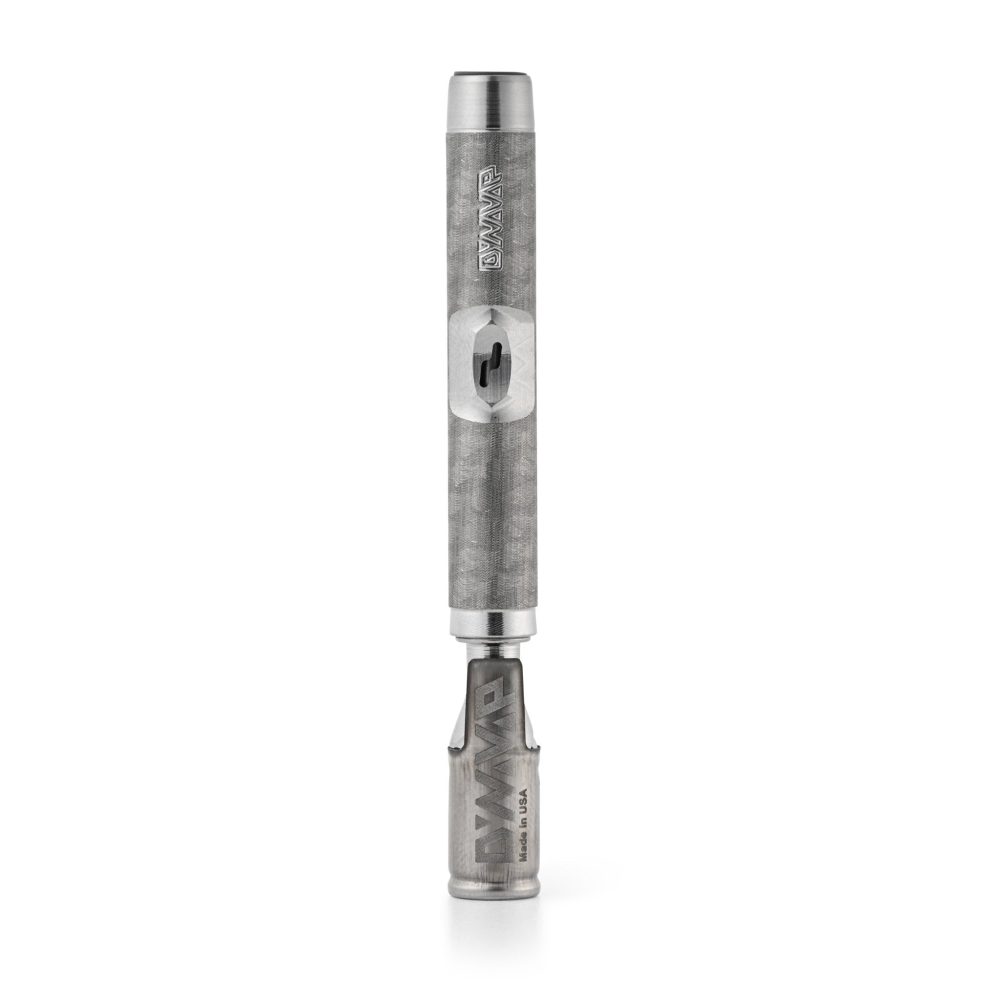
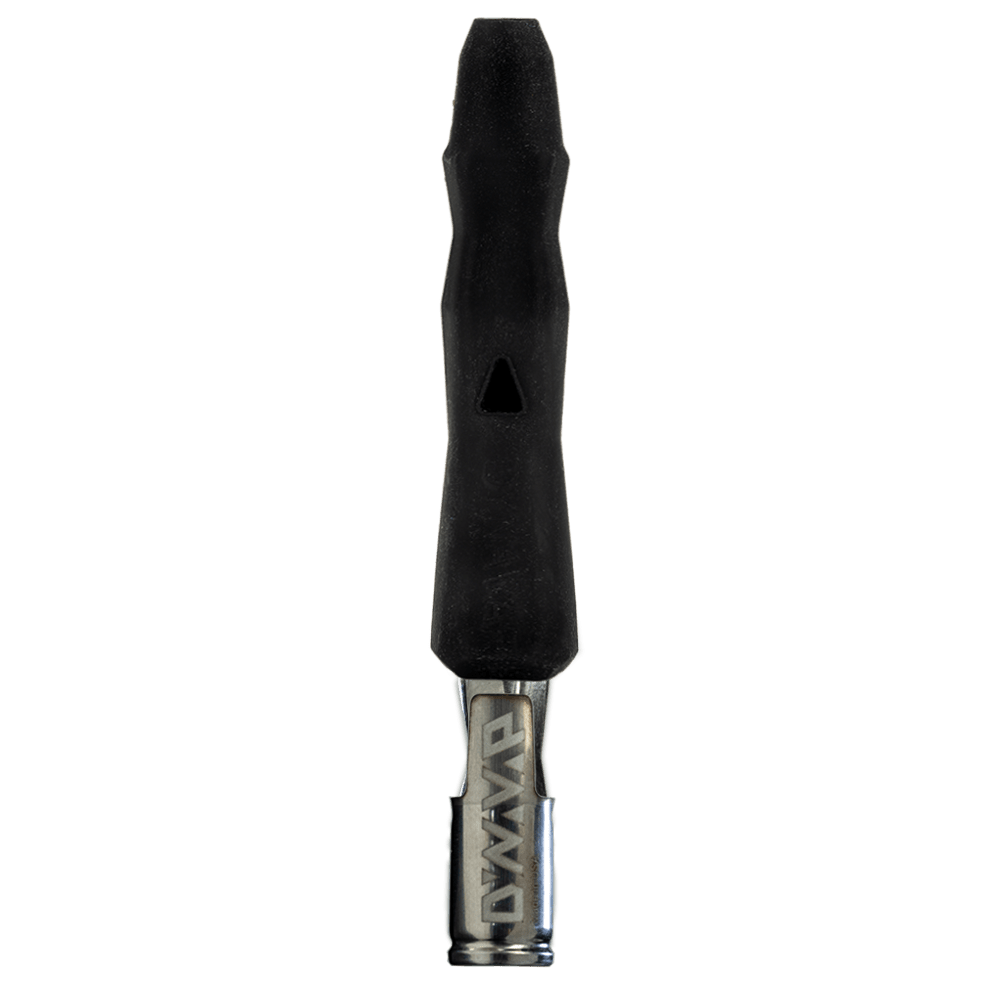
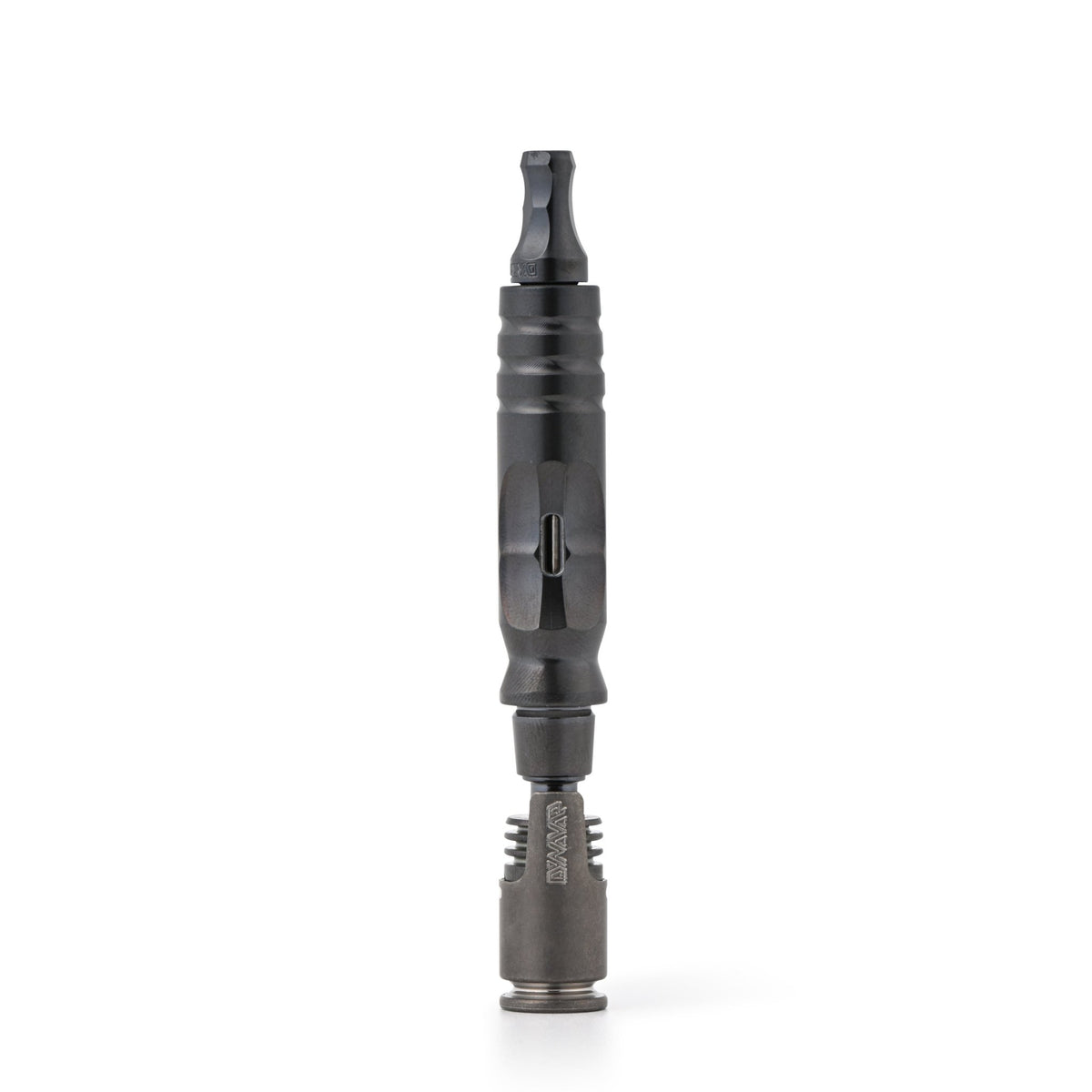
With butane vaporizers you heat the material using an open gas flame. You point a jet lighter at a metal cap or into a glass intake, and the heat vaporizes the active compounds. You control temperature through flame distance, angle and duration – this takes practice but rewards with intense flavor and complete independence from electricity.
What Is a Battery Vaporizer?
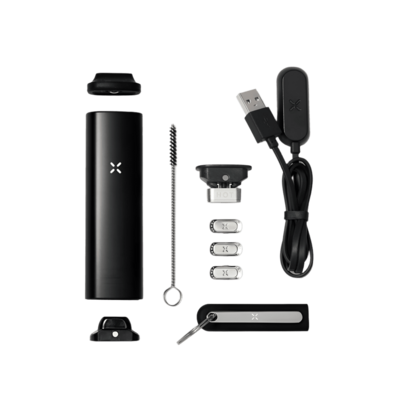
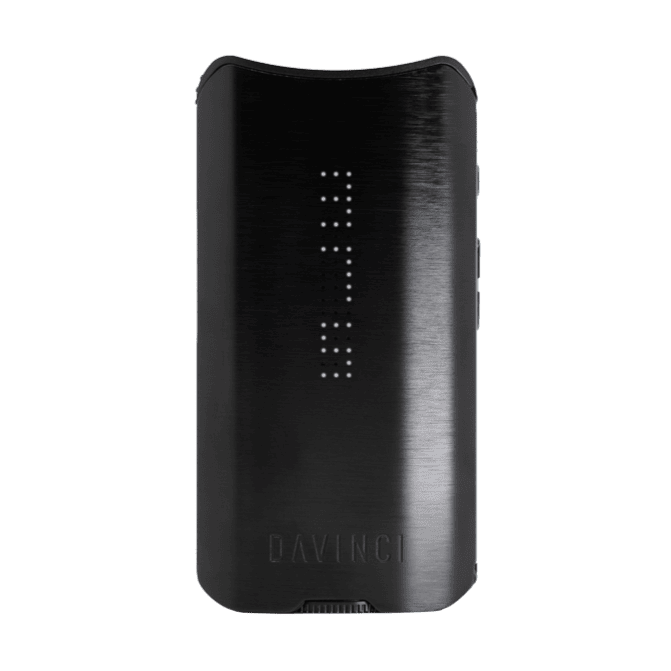
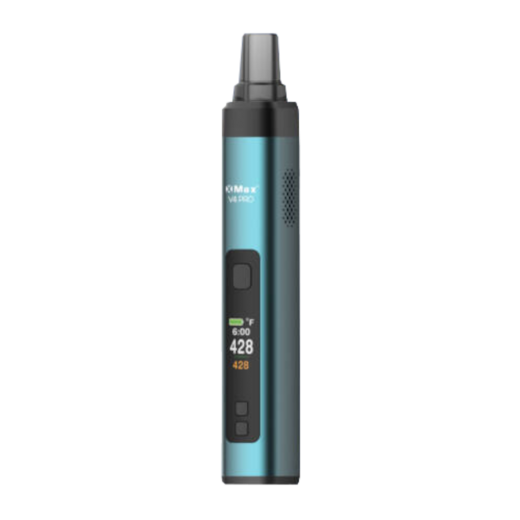
Battery vaporizers use a built-in lithium-ion battery and electronic heating elements. You set your desired temperature with a button press, the device heats automatically and holds temp steady. Modern models offer app control, dosing capsule systems and haptic feedback. In return, you depend on regular charging.
Head-to-Head: Butane vs. Battery
| Feature | Butane | Battery |
|---|---|---|
| Power Source | Lighter gas (butane) | Lithium-ion battery |
| Heat-up Time | 5-15 seconds | 15-45 seconds |
| Temperature Control | Manual (technique/experience) | Digital, degree-precise |
| Flavor | Often excellent with good technique | Very good, consistent |
| Independence | Fully off-grid, ideal outdoors | Battery life 60-120 min |
| Ease of Use | Practice required | Very easy, one button |
| Safety | Open flame, caution needed | Auto shut-off |
| Maintenance | Low-tech, refill gas | Battery care, electronics wear |
| Entry Price | From ~40 EUR (+ lighter) | From ~60 EUR |
| Best For | Outdoor, ritualists, flavor | Beginners, convenience, daily use |
How Does Heating Work?
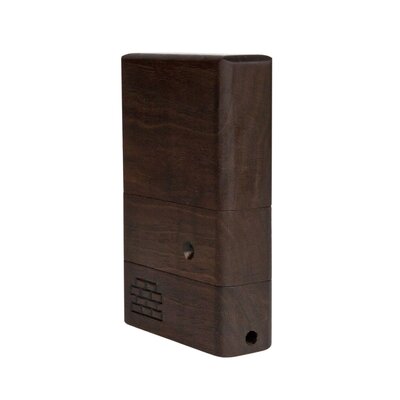
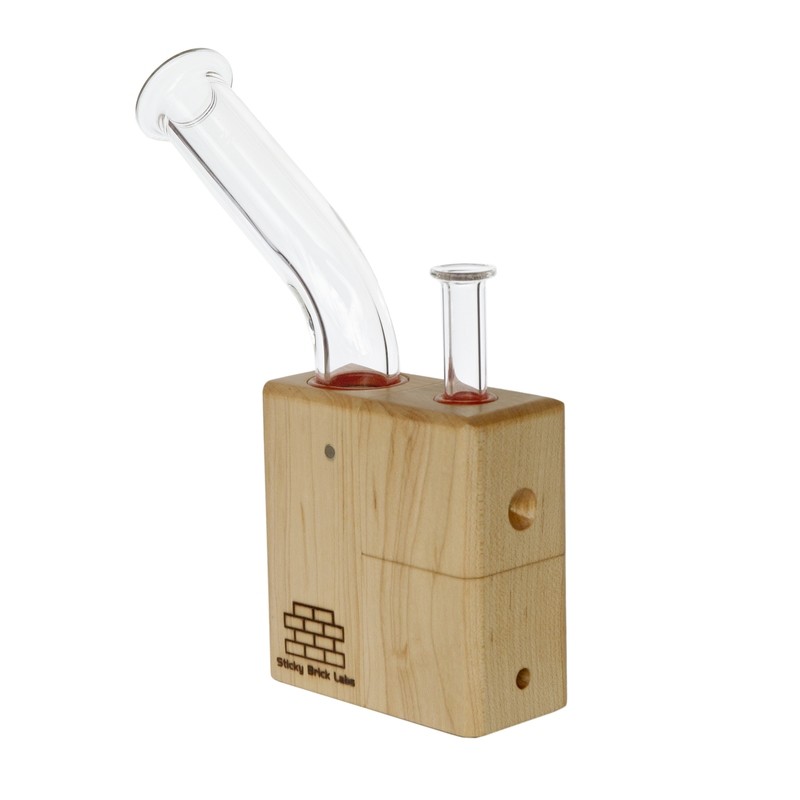
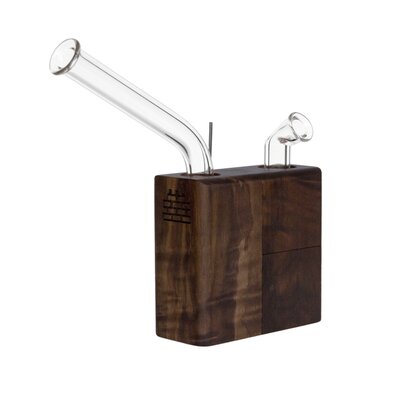
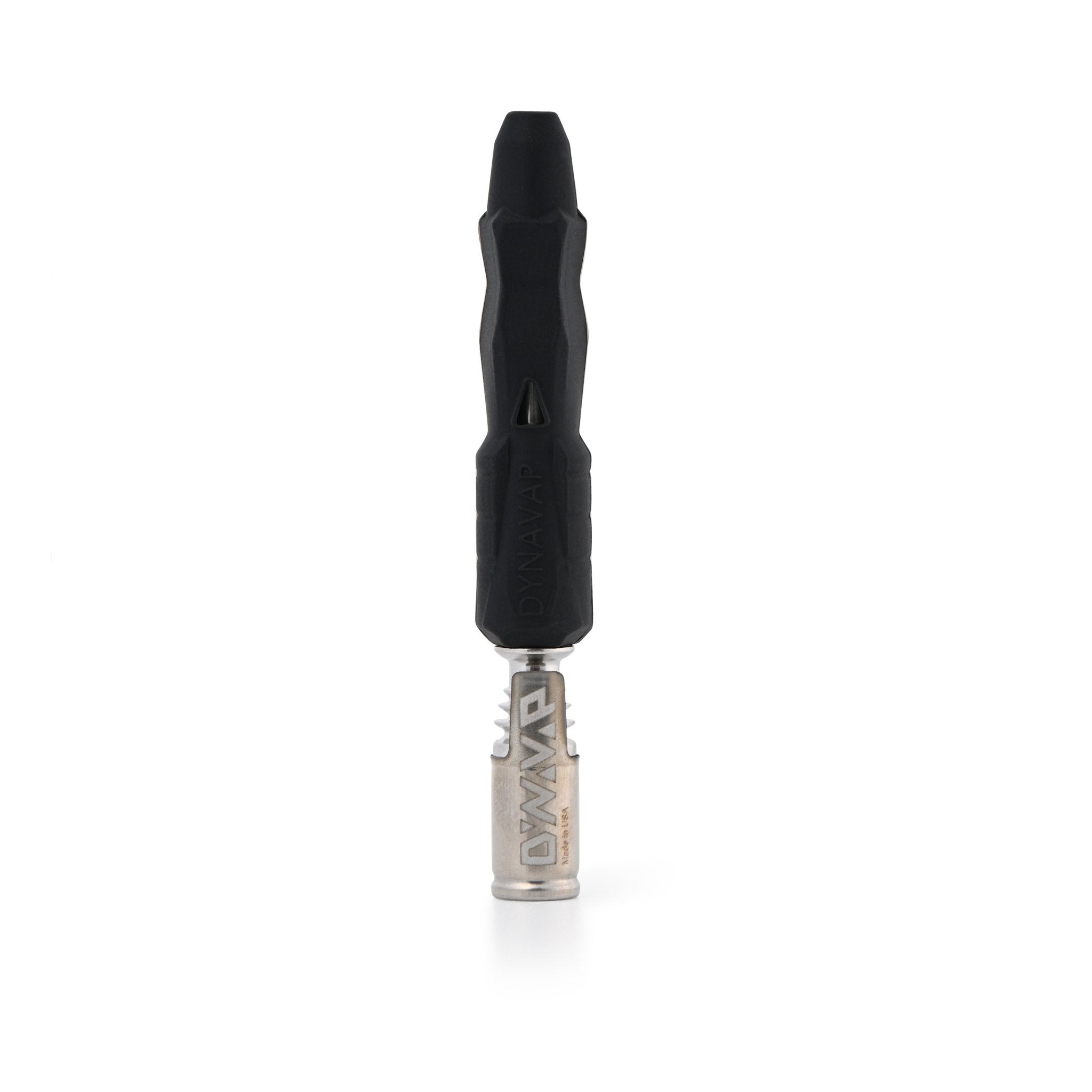
In butane vaporizers, the gas flame heats a metal cap (DynaVap) or flows through a glass intake (Sticky Brick). The material is vaporized via conduction or convection. In battery vaporizers, a ceramic or stainless steel heating element does the work – controlled by a microprocessor that regulates temperature precisely.
Portability & Off-Grid Use
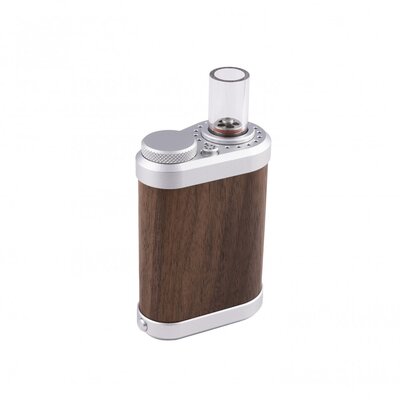
The biggest advantage of butane vaporizers: they need no electricity. While camping, hiking or at festivals, a can of lighter gas lasts weeks. Battery vaporizers last 60-120 minutes depending on model – then you need an outlet or power bank. Devices with removable batteries (e.g. Tinymight-2/" class="vc-product-autolink">Tinymight 2) mitigate this issue.
Temperature Control in Detail
Battery vaporizers offer degree-precise settings, often in 1-degree increments. You pick 185 C for terpenes or 210 C for thick clouds – the device holds temp steady. With butane vaporizers, you control heat via flame distance, duration and angle. This takes practice but also enables dynamic heating: start low for flavor, then ramp up for denser draws.
Vapor Quality Comparison
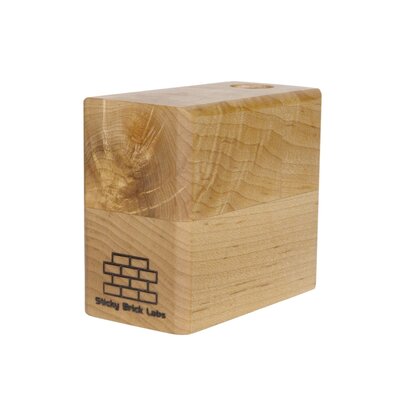
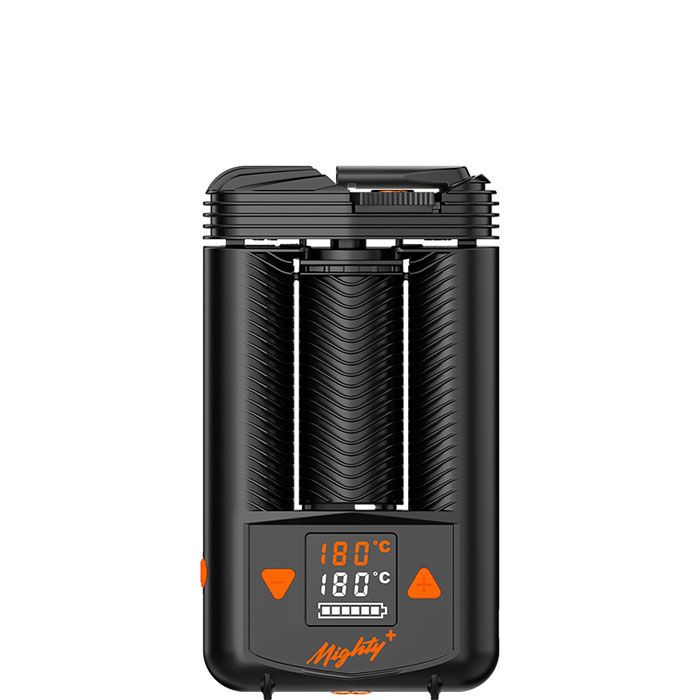
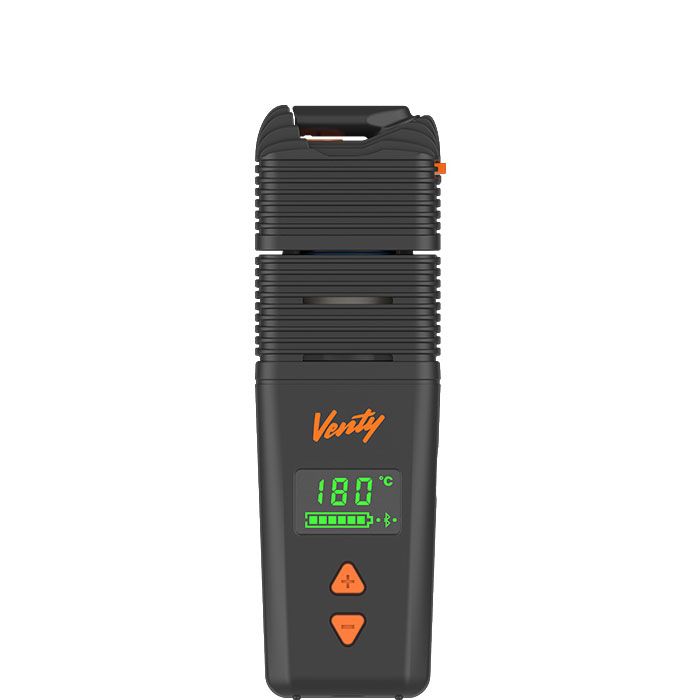
Butane vaporizers like the Sticky Brick series are known for outstanding flavor – the large convection chamber and instant heat extract terpenes particularly well. Battery vaporizers win on consistency: every draw tastes the same. Premium devices like Venty or Mighty+ also deliver excellent flavor thanks to hybrid heating and precise temperature.
Safety Considerations
Butane vaporizers work with an open flame – be careful around flammable materials and in enclosed spaces. DynaVap devices have an audible click system indicating when the right temperature is reached. Battery vaporizers offer auto shut-off after inactivity, overheat protection and no open flame. For beginners and less attentive users they are the safer choice.
Running Costs & Maintenance
Butane vaporizers have almost no wear parts – a can of lighter gas (about 3-5 EUR) lasts hundreds of sessions. A jet lighter costs 10-20 EUR and lasts years. Battery vaporizers need a new battery after 300-500 charge cycles – with built-in batteries this can be a problem. Electronic components can fail, and repairs are often expensive or impossible.
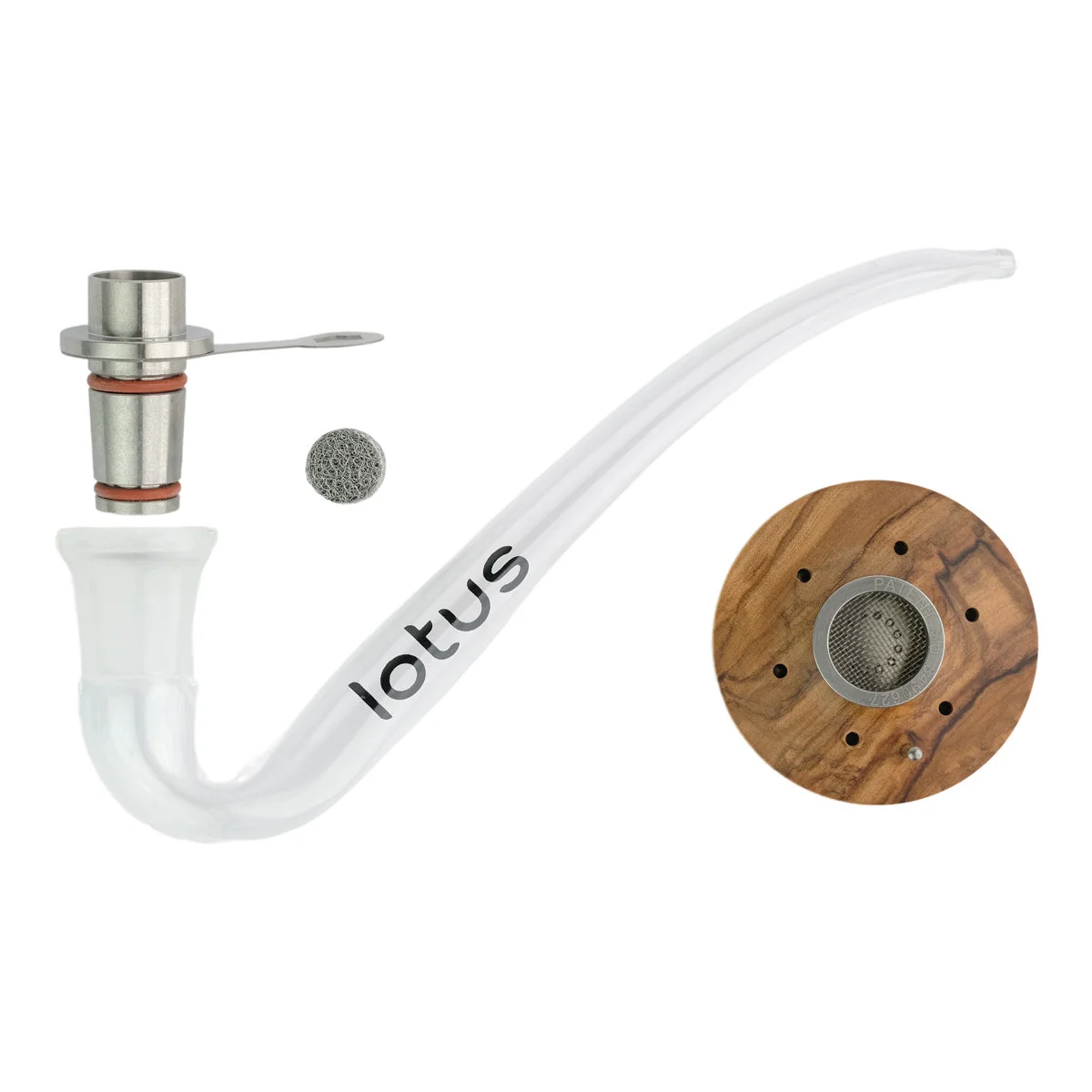
Top 10: Best Butane Vaporizers 2026
Our curated selection of the best butane vaporizers – with LIVE prices from our comparison.

Top 10: Best Battery Vaporizers 2026
The best battery-powered vaporizers for precise control and easy operation.
Frequently Asked Questions
Yes, significantly. Even with a gas flame, the material is vaporized, not combusted. The flame does not touch the material directly. Vaporizing produces far fewer harmful substances than burning.
A good jet lighter delivers about 30-50 heating cycles per fill. A can of lighter gas typically lasts several months with regular use.
The vaporizer itself, yes, but the lighter must comply with flight regulations. Jet lighters are often prohibited. Gas cans cannot go in luggage. Just buy a new lighter and gas at your destination.
Depending on model, 60-120 minutes of active use or 6-15 sessions. The Venty manages about 20 minutes of continuous use, a Mighty+ around 90 minutes. Devices with removable 18650 batteries offer unlimited runtime with spare cells.
Butane is cheaper long-term. Lighter gas costs a few euros per can and lasts months. Battery vaporizers need electricity (minimal) but the battery loses capacity after 2-3 years. A replacement costs 20-40 EUR, with built-in batteries repair is often expensive.
Last updated: 03.03.2026