Vaporizer-accu's: vormfactor, capaciteit en compatibiliteit
Een capaciteitsaanduiding in milliampère-uur beschrijft elektrische lading. Voor een vergelijking van verschillende spanningen is ook de energie in wattuur relevant. De werkelijke gebruiksduur hangt bovendien af van verwarmingsvermogen, rendement, omgeving, veroudering en gebruik. Daarom kan uit een hoger mAh-getal niet direct een proportioneel aantal sessies worden afgeleid.
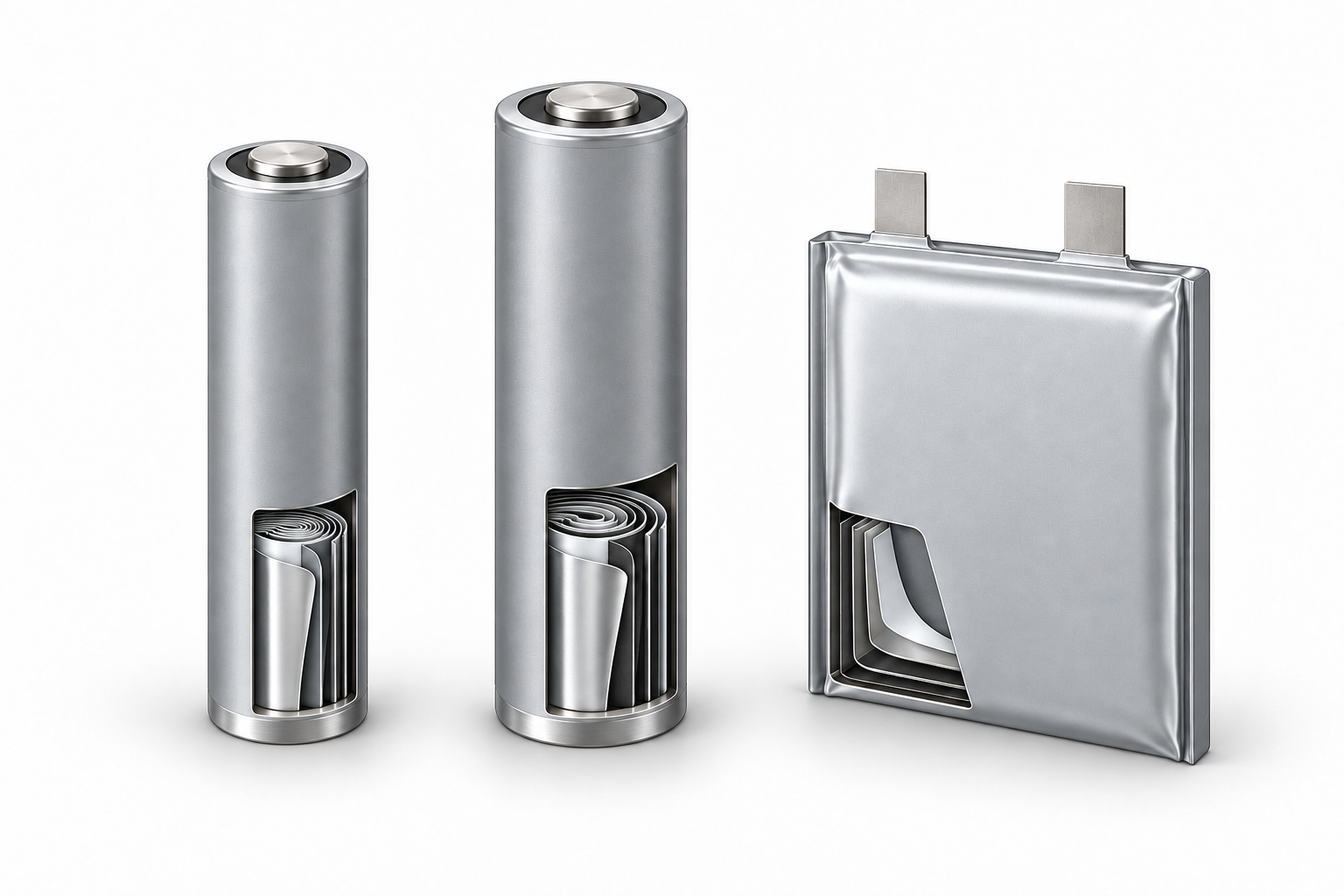
Schematische AI-illustratie van VapoChecker. Kleuren duiden onderdelen en warmtestromen aan; geen maattekening of meetgegevens.
Accucapaciteit is niet hetzelfde als bruikbare gebruiksduur
Ook „een sessie” is geen gestandaardiseerde eenheid. Duur, vulhoeveelheid en temperatuurprofiel kunnen variëren tussen apparaten en gebruikers. Een geloofwaardige gebruiksduurvermelding noemt daarom de bijbehorende omstandigheden. Een marketingvergelijking zonder zulke gegevens is niet gelijk te stellen aan een gecontroleerde meting. De apparaatrecovery in een cannabisstudie heeft bovendien een andere eenheid en beantwoordt geen vraag over accugebruiksduur.
Celformaat en elektrische geschiktheid afzonderlijk controleren
Een identiek formaat, zoals 18650, bevestigt alleen een bouwgrootte. Toegestane belasting, beveiligingsconcept, contactvorm en goedkeuring van de fabrikant moeten eveneens overeenkomen. De hoogst opgedrukte capaciteit is daarom niet automatisch de meest geschikte keuze. Voor geïntegreerde accu’s en verwisselbare cellen gelden bovendien verschillende onderhouds- en vervangingsmogelijkheden, die de bijbehorende handleiding beschrijft.
Zichtbare beschadigingen, vervormingen of opvallende opwarming zijn geen normale kwaliteitskenmerken die met een ander temperatuurprofiel kunnen worden verholpen. Beschadigde accu’s mogen niet verder worden gebruikt of met geïmproviseerde maatregelen worden gerepareerd. De aangeboden cannabisliteratuur valideert geen accu-ombouwingen. Technische veiligheidsgegevens vereisen daarom de bijpassende apparaat- en celdocumentatie als basis.
Onderhoudsinstructies met hun doel uitleggen
Veroudering, laadgedrag en bedrijfswarmte betreffen verschillende processen. Een algemene procentregel voor de acculevensduur is zonder gedefinieerde celchemie, temperatuur en testomstandigheden niet betrouwbaar. Voor dagelijks gebruik is het in de eerste plaats belangrijk een aanbevolen oplader te gebruiken, warmteafvoer niet te belemmeren en de gebruiksaanwijzing in acht te nemen. Een algemene glossariumtekst mag geen productspecifieke laadgoedkeuring vervangen.
Wie veranderingen in de gebruiksduur documenteert, moet vergelijkbare gebruiksomstandigheden vergelijken en tegelijkertijd controleren of een vervuild luchtkanaal of een ander gebruiksprofiel het energieverbruik heeft veranderd. Zo worden plausibele technische oorzaken van elkaar onderscheiden. Uitspraken over betere medische werking of schonere aerosol zijn niet af te leiden uit de accugrootte.
Wat onderscheidt vormfactor en elektrische geschiktheid?
Een aanduiding zoals 18650 beschrijft een vormfactorfamilie. Dit betekent niet dat alle cellen van deze grootte elektrisch gelijkwaardig zijn. Voor een vaporizer moet worden voldaan aan de vereisten van het specifieke apparaat.
Ook een verwisselbare accu is niet automatisch een vrij combineerbaar standaardonderdeel. Contactvorm, beveiligingsschakeling en belastbaarheid kunnen relevant zijn. De vrijgave in de handleiding is daarom belangrijker dan alleen de uiterlijke gelijkenis.
Bij vast ingebouwde accu’s moet bovendien worden nagegaan of en hoe vervanging is voorzien. „Vast ingebouwd” betekent niet per se dat een apparaat zonder reparatiemogelijkheid blijft; „verwisselbaar” betekent op zijn beurt niet dat elke ingreep is voorzien.
Hoe verschillen mAh, Wh en gebruiksduur?
mAh beschrijft elektrische ladingscapaciteit. Wh beschrijft energie. Een vergelijking van verschillende systemen vereist ook de spanning en de daadwerkelijk bruikbare energie. Een groter mAh-getal alleen is daarom geen universele winnaar op het gebied van gebruiksduur.
De gebruiksduur hangt bovendien af van het gebruik: vermogen, instellingen, actieve fasen en omstandigheden. Een „sessie” is zonder gedefinieerde duur en verloop geen vaste technische eenheid. Algemene omrekeningen van mAh naar een aantal sessies zijn verwijderd.
Ook de chemische afgifte is daarmee niet bekend. Een efficiënter energiegebruik betekent niet automatisch een grotere of medisch beter geschikte werkzame hoeveelheid.
Wat zeggen laadcycli over de levensduur?
Een uitspraak over levensduur vereist een testprotocol en een afbreekcriterium. Temperatuur, belasting en laadcondities beïnvloeden de vergelijkbaarheid. Algemene gegevens over een materiaaltype zijn niet automatisch een belofte voor elke apparaataccu.
Daarom wordt hier geen vast capaciteitsverlies na een universeel aantal cycli beweerd. Ook een bepaald aantal jaren is zonder gebruikspatroon niet onderbouwd.
Voor praktisch onderhoud gelden de voorschriften van het apparaat of de vrijgegeven cel. Het onderhoudtsartikel scheidt deze gegevens van algemene internetregels.
Welke informatie helpt bij de keuze?
Controleer gedocumenteerde beschikbaarheid van vervangingsonderdelen, voorziene vervangingswegen, toegestane opladers en begrijpelijke aanwijzingen bij ongewoon gedrag. Deze eigenschappen zijn concreter dan een algemeen label „premium-accu”.
Een USB-C-aansluiting geeft op zichzelf niet aan of tijdens het laden ook verwarmd mag worden. De pass-through-uitleg behandelt deze afzonderlijke functie.
Het terpenpakket bevat geen elektrische levensduurstudie. De bevindingen ervan worden daarom niet gebruikt ter onderbouwing van een accumerk of een algemeen voordeel in gebruiksduur.
Vast ingebouwd of verwisselbaar?
Een vaste ingebouwde accu maakt deel uit van de voorziene apparaatconstructie. Een door de gebruiker verwisselbare accu vereist een daarvoor ontworpen houder en duidelijke specificaties voor geschikte cellen. ‘Verwisselbaar’ mag niet worden verward met ‘op de een of andere manier vervangbaar na het openen van de behuizing’.
Voor de aankoop tellen beschikbare vervangingsmogelijkheden, onderhoudsservice en de concrete handleiding. Een verwisselbare cel kan de vervanging vereenvoudigen; een vast ingebouwd systeem kan een andere integratie bieden. Geen van beide varianten is op grond van deze eigenschap alleen in elk opzicht superieur.
Welke laadmethoden moet men onderscheiden?
Laden in het apparaat en laden in een extern oplader zijn afzonderlijke bedrijfsmodi. USB-C beschrijft in eerste instantie de aansluiting; het daadwerkelijk bruikbare laadvermogen en de protocollen zijn afhankelijk van apparaat, kabel en voeding. Een sterker voedingsapparaat betekent niet automatisch sneller laden.
Pass-through-gebruik is opnieuw een eigen vrijgave. Dat een apparaat tijdens het laden ingeschakeld kan worden, bewijst niet dat elke voeding de beoogde werking ondersteunt of dat de accu daarbij wordt omzeild.
Hoe vergelijkt men de gebruiksduur eerlijk?
Controleer of een test dezelfde bedrijfsmodus, vergelijkbare starttemperatuur en dezelfde laadtoestand gebruikt. Rapporten dienen onderscheid te maken tussen een nieuwe accu en een langer gebruikte accu. Een fabrieksopgave met “tot” moet worden gelezen onder de bijbehorende voorwaarden en niet als persoonlijke garantiewaarde.
Ook de inspanning van het herladen is een afzonderlijk punt: laadtijd en gebruiksduur beantwoorden verschillende vragen. Een apparaat met een korte gebruiksduur en een zeer korte laadtijd kan in de praktijk anders passen dan een apparaat met een grote energiereserve.
Een concreet datablad correct lezen
Molicel vermeldt voor de INR-21700-P45B een typische capaciteit van 4,5 Ah respectievelijk 16,2 Wh. Deze twee grootheden beschrijven verschillende aspecten van dezelfde cel. De aanduiding 21700 alleen bevat deze capaciteitsopgave niet. Bron: Molicel P45B, geraadpleegd op 10 september 2026.
Het voorbeeld is geen aanbeveling om deze cel in een bepaalde vaporizer te plaatsen. Daarvoor ontbreken hier de concrete vrijgave, contactvereisten en het beveiligingsconcept van dat apparaat. Een datablad kan worden gebruikt als componentinformatie; het vervangt niet de beoordeling van de volledige apparaatcombinatie. In de accu-guide toont een rekenvoorbeeld het verband tussen ampère-uren, spanning, energie en gebruiksduur.
Veelgestelde vragen
Is elke 18650-cel geschikt?
Nee. Vormfactor alleen vervangt geen beoordeling van de elektrische vereisten en vrijgave.
Betekent meer mAh altijd een langere gebruiksduur?
Alleen bij voldoende vergelijkbare omstandigheden is zo’n beoordeling zinvol. Spanning en het werkelijke gebruik horen daarbij.
Is een sessie een vaste maateenheid?
Nee. Duur en verloop moeten worden vermeld.
Bronstatus van de aanvulling
Stand: 10 september 2026. Technische begrips- en vergelijkingscontrole. Niet-onderbouwde levensduur-, sessie- en universele compatibiliteitswaarden zijn verwijderd. Fabrieksgoedkeuringen worden niet vervangen door terpeenstudies.