- Combustion: >600°C, 100+ toxins
- Vaporization: 160-230°C, no combustion byproducts
- Efficiency: 30-40% more cannabinoid extraction
- Respiratory: 95% fewer harmful compounds
Which Vaporizer Type Suits You Best?
What Types of Vaporizers Exist?
Vaporizers fall into three main categories: Portable Vaporizers, Desktop Vaporizers, and Pen Vaporizers. Each type has its own strengths.
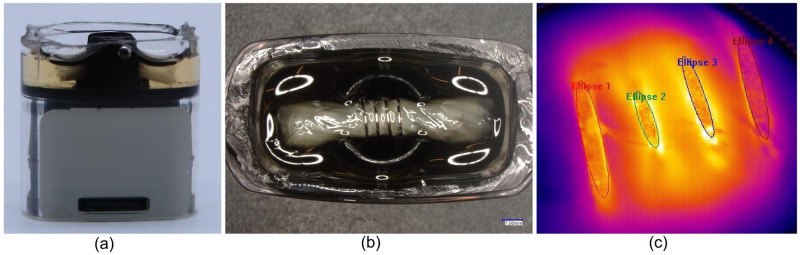
Portable Vaporizers
Handheld vaporizers are battery-powered and fit in your pocket. They are the most popular vaporizer type for daily use.
Features:
- Battery-powered (removable or built-in)
- Compact size for portability
- Medium to good vapor quality
- Price range: €50 – €400
Popular Models: Mighty+, TinyMight 2, Arizer Solo 3, PAX 3
Desktop Vaporizers
Stationary vaporizers for home use, powered by mains electricity. They deliver the best vapor quality of all vaporizer types.
Features:
- Mains powered – unlimited usage time
- Larger chambers for longer sessions
- Best temperature control and vapor quality
- Often usable with whip or balloon
- Price range: €150 – €700
Popular Models: Volcano Hybrid, Arizer Extreme Q, Plenty
Pen Vaporizers (Vape Pens)
Pen-shaped, very compact vaporizers. Often designed for concentrates, but also available for dry herbs.
Features:
- Very compact and discreet
- Fast heat-up time
- Simple operation
- Limited chamber capacity
- Price range: €30 – €150
Popular Models: XVape V3 Pro, DynaVap M, G Pen Dash
Comparison Table
| Criteria | Portable | Desktop | Pen |
|---|---|---|---|
| Portability | ★★★★☆ | ★☆☆☆☆ | ★★★★★ |
| Vapor Quality | ★★★★☆ | ★★★★★ | ★★★☆☆ |
| Battery Life | ★★★☆☆ | Unlimited | ★★☆☆☆ |
| Chamber Capacity | ★★★☆☆ | ★★★★★ | ★★☆☆☆ |
| Value for Money | ★★★★☆ | ★★★★☆ | ★★★☆☆ |
Special Case: Butane-Powered Vaporizers
Some vaporizers like the DynaVap use external heat sources (lighter/induction heater) instead of built-in heating. These dont fit the categories above and offer a unique experience.
Learn more in our Buying Guide.
Figures
Source: Lanz et al. (2016), PLOS ONE, CC-BY 4.0
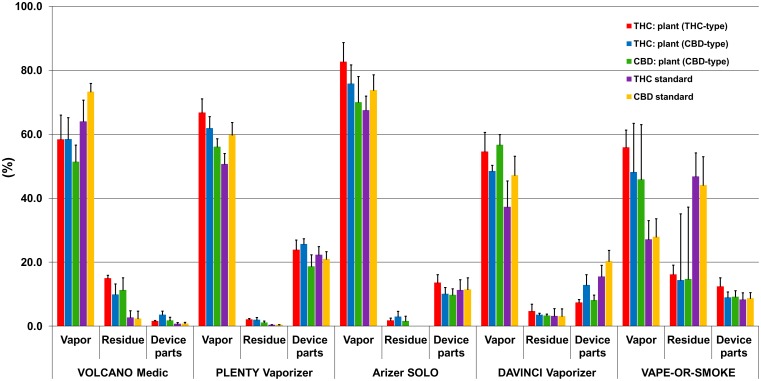
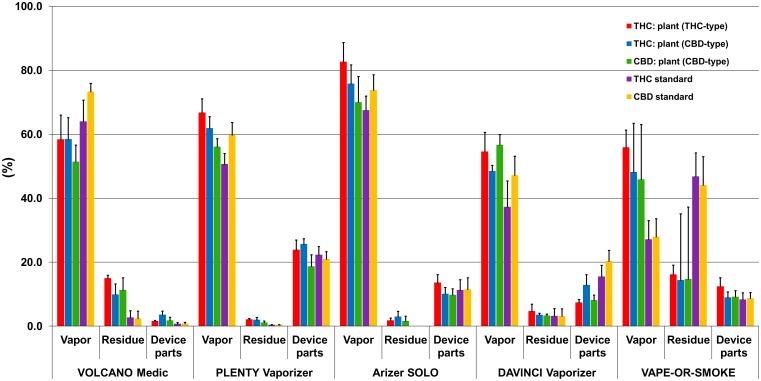
What does the chart show? This graph shows the distribution of cannabinoids released at different vaporization temperatures. Lower temperatures (around 180°C) release primarily THC and lighter terpenes. Higher temperatures (200-210°C) extract more CBD, CBN and heavier compounds. Understanding this helps you choose the right temperature for your desired effects.
Portable Vaporizers Explained
Portable vaporizers dominate the market due to their versatility. Modern devices like the Mighty+ combine desktop-quality vapor with true portability. Battery technology has improved dramatically, with many units now offering 60-90 minutes of continuous use.
The size spectrum ranges from ultra-compact devices like the PAX 3 (fits in any pocket) to larger units like the Mighty+ (still portable but bulkier). Smaller devices often sacrifice battery life and chamber size for convenience.
Key features to consider in portable units include battery capacity, heat-up time, temperature control precision, and vapor path materials. Premium devices typically offer app connectivity for detailed control and usage tracking.
Desktop Vaporizers Explained
Desktop vaporizers plug into wall power, eliminating battery concerns entirely. They typically offer more precise temperature control, larger chambers, and superior vapor quality compared to portable units.
The Volcano from Storz & Bickel remains the gold standard, using a balloon delivery system. The Arizer Extreme Q offers similar functionality at a lower price point with both balloon and whip options.
Log vaporizers like the E-Nano and Underdog represent a minimalist approach – small, efficient units that stay on all day and deliver one or two hits at a time. Perfect for micro-dosing throughout the day.
Pen-Style Vaporizers
Vape pens prioritize discretion above all else. They resemble e-cigarettes and can be used inconspicuously in many settings. However, they typically compromise on vapor quality and temperature control.
Most quality pen-style devices are designed for concentrates rather than dry herb. True dry herb pens exist but often suffer from poor airflow and combustion issues. The convection requirements for good dry herb vaporization are difficult to achieve in such compact form factors.
Choosing the Right Type
For home use, desktop vaporizers offer the best vapor quality and don’t require charging. If you vape primarily at home but want the option to take it outside occasionally, a high-end portable like the Mighty+ offers the best of both worlds.
For on-the-go use, prioritize battery life, heat-up time, and discretion. The PAX 3 excels at discretion, while the Crafty+ offers better vapor quality in a still-portable package.
For concentrate users, many devices offer dual-use capabilities with concentrate inserts. Dedicated concentrate vaporizers typically outperform dual-use units, so consider your priorities carefully.
Price Considerations
Budget options (under €100) can work but often disappoint with poor vapor quality, unsafe materials, or short lifespans. The DynaVap offers exceptional value in this range as a butane-powered option.
Mid-range options (€100-200) include capable devices like the Arizer Solo 2, XMAX V3 Pro, and Flowermate products. These offer good performance without premium pricing.
Premium options (€200+) deliver the best experience with quality materials, precise temperature control, and long-term reliability. The Mighty+ and Crafty+ exemplify this category.
Related Articles: Temperature Settings · Cleaning & Maintenance · Portable vs Desktop
Frequently Asked Questions
Which vaporizer do you recommend for beginners? The Arizer Solo 2 and Crafty+ offer an excellent balance of ease of use and vapor quality. For budget-conscious beginners, the XMAX V3 Pro is a good choice with surprising quality at its price point.
How often should I clean my vaporizer? Basic cleaning after each session (brushing out the chamber) and thorough cleaning with isopropyl alcohol once a week keeps your device in top condition and ensures optimal performance.
Can I use my vaporizer on the go? Yes, portable vaporizers are designed for exactly that. Look for discrete models like the PAX 3 and always carry charged spare batteries or pre-loaded dosing capsules for convenience.
What is the ideal temperature for beginners? Start around 180°C (356°F). This temperature provides a good entry point with pleasant flavor and moderate effects. You can adjust temperature later based on preference and experience.
How long does a typical vaporizer last? High-quality devices from brands like Storz & Bickel or Arizer can last 5-10 years or longer with proper care. Less expensive models often have a lifespan of 1-3 years before issues arise.
Conclusion
Choosing the right vaporizer and accessories depends on your personal preferences and usage habits. Invest in quality – a good vaporizer makes a real difference in flavor, efficiency, and longevity. Use our price comparison tool to find the best deals on your desired device.
Advanced Buying Guide
Budget Categories and Recommendations
Entry Level (€50-100): Simple conduction devices with temperature presets. Good for first experiences but limitations in vapor quality and durability. Mid-Range (€100-200): Hybrid devices with precise temperature control. Good value for regular users. Premium (€200-350): High-quality convection or hybrid devices with excellent vapor quality, app control, and long warranty. High-End (€350+): Desktop vaporizers and premium portables with best vapor quality and maximum durability.Usage Scenarios
For Travel: Compact devices with fast heat-up time, robust construction, and discreet design. For Home Use: Larger devices with better vapor quality, longer battery life, or mains operation. For Groups: Devices with large chambers, fast reheating time, and optional whip or balloon use. For Micro-dosing: Devices with small chambers or reducer inserts and precise temperature control.Key Features to Consider
Heating Method: Conduction offers faster heat-up, convection offers purer flavor. Hybrids balance both. Temperature Control: Digital precision (±1°C) vs preset temperatures. Consider your preference for fine-tuning. Battery Life: Number of sessions per charge varies widely. Consider your usage patterns. Material Path: All-glass or ceramic paths offer purest flavor. Metal paths are more durable but may affect taste slightly. Ease of Cleaning: Some devices require frequent maintenance, others are designed for minimal cleaning. Consider your tolerance for upkeep.Brand Reputation and Support
Established brands like Storz & Bickel, Arizer, and Dynavap offer proven reliability and good customer support. Newer brands may offer innovative features at lower prices but with less proven track records. Consider warranty length and availability of replacement parts when making your decision. A quality vaporizer should last years with proper care.Making Your Final Decision
Research Resources
Before making a purchase, utilize available research resources: manufacturer websites for official specifications, user forums for real-world experiences, YouTube reviews for visual demonstrations.
Trial Opportunities
Some retailers offer trial periods or satisfaction guarantees. Vape lounges may let you try devices before buying.
Future-Proofing
Consider app connectivity for firmware updates, standardized batteries for easy replacement, and available accessories.
Common Mistakes to Avoid
Buying based on price alone – cheap devices often disappoint. Ignoring heating method compatibility with usage style. Overlooking maintenance requirements. Not researching battery life for portable use. Choosing aesthetics over functionality.
Investment Perspective
Quality vaporizers are long-term investments. A premium device lasting 5+ years costs less per year than multiple cheap replacements. Consider total cost of ownership including accessories and replacement parts.
Decision Process
Make list of your priorities: portability, vapor quality, battery life, price. Research devices meeting your criteria. Read user reviews for real experiences. Consider your usage pattern – home vs portable. Take your time deciding.
Post-Purchase
Read manual thoroughly. Do burn-off sessions before first use. Learn proper charging and maintenance techniques. Register warranty. Join user communities for tips and support.
Niche Types and Special Devices
Micro-Vaporizers
The newest category is micro-vaporizers that fit in a pocket and are barely larger than a USB stick. These devices sacrifice chamber size and battery life for maximum portability. Ideal for users who need absolute discretion.Modular Systems
Some manufacturers offer modular vaporizers that can be adapted to different needs. Interchangeable modules can switch between herb, concentrate, and oil use. The base device stays the same, only the module changes.Induction Vaporizers
Induction heating is gaining popularity. These devices heat a metallic component through electromagnetic induction, enabling extremely fast heat-up times. The technology is particularly popular with manual vaporizers like DynaVap.Hybrid Desktop-Portable Designs
Some devices blur the line between desktop and portable categories. These units offer desktop-level performance while maintaining some degree of portability. They typically feature larger batteries and more powerful heaters than standard portables.Specialty Medical Vaporizers
Medical-grade vaporizers designed for clinical use feature precise dosing, consistent delivery, and detailed session logging. These devices meet strict medical device regulations and are prescribed for specific conditions.Purchase Decision by Type
Which Type Suits Me?
Choosing the right vaporizer type depends on individual priorities. Mobile users benefit from compact portables, while home users should choose desktop devices for best quality.Vaporizer Types Conclusion
Every vaporizer type has its place. The right choice depends on your individual needs, budget, and usage habits.Closing Thoughts
The variety of available vaporizer types means there’s a perfect device for every user. Take time to define your priorities before making a purchase decision.Future Trends
The vaporizer market continues to evolve with new form factors and technologies. Stay informed about developments to make better purchasing decisions when upgrading your device.Scientific Sources
- Lanz, C. et al. (2016). Medicinal Cannabis: In Vitro Validation of Vaporizers for the Smoke-Free Inhalation of Cannabis. PLOS ONE. PMC
- Spindle, T. R. et al. (2022). Are vaporizers a lower-risk alternative to smoking cannabis? Respiratory Medicine. PMC
- Borodovsky, J. T. et al. (2016). Online Survey Characterizing Vaporizer Use among Cannabis Users. Drug and Alcohol Dependence. PMC
Frequently Asked Questions
What vaporizer type is best for beginners?
Portable vaporizers are ideal for beginners: they offer good vapor quality, are easy to use, and cost €80–200. Recommended models include the Crafty+ or XMAX V3 Pro.
What’s the difference between portable and desktop?
Portable vaporizers are battery-powered and designed for on-the-go use. Desktop vaporizers plug into wall power and deliver denser, cooler vapor through larger chambers and optional water filtration.
Are vape pens worth it?
Vape pens are the most compact and affordable option (€30–80). They work well for occasional use and maximum discretion, but offer less vapor quality than full-size portable devices.
{“@context”:”https://schema.org”,”@type”:”FAQPage”,”mainEntity”:[{“@type”:”Question”,”name”:”What vaporizer type is best for beginners?”,”acceptedAnswer”:{“@type”:”Answer”,”text”:”Portable vaporizers are ideal for beginners: they offer good vapor quality, are easy to use, and cost €80–200. Recommended models include the Crafty+ or XMAX V3 Pro.”}},{“@type”:”Question”,”name”:”What’s the difference between portable and desktop?”,”acceptedAnswer”:{“@type”:”Answer”,”text”:”Portable vaporizers are battery-powered and designed for on-the-go use. Desktop vaporizers plug into wall power and deliver denser, cooler vapor through larger chambers and optional water filtration.”}},{“@type”:”Question”,”name”:”Are vape pens worth it?”,”acceptedAnswer”:{“@type”:”Answer”,”text”:”Vape pens are the most compact and affordable option (€30–80). They work well for occasional use and maximum discretion, but offer less vapor quality than full-size portable devices.”}}]}