Brief conclusion: The TEMPEST 2 is primarily appealing to experienced users looking for a manually heated ball vaporizer that MAD Heaters describes as “convection-heavy” and that offers numerous adjustment options. It has two click discs and a visual heat indicator, three adjustable bowl levels, and separately adjustable cap and stem airflow. It can be used with a torch and the documented iSpire Wand and YLL 3.0 induction heaters. Anyone expecting an automatically controlled target temperature, a straightforward one-button device, or a consistently reproducible heating time should instead choose an electronically controlled model.
The right target audience
The TEMPEST 2 suits users who deliberately want to fine-tune a mechanically oriented system. MAD Heaters describes a thermal matrix filled with zirconia balls and positions the device as convection-heavy and ball-assisted. “Pure convection” would be a stronger claim than the manufacturer's current wording. How the balance between hot airflow and stored heat behaves during actual use depends on factors including the ball material, heating power, heating duration, load, and draw profile.
The three screen positions change the usable bowl volume to approximately 0.6, 0.9, or 1.2 cm³. MAD Heaters associates these levels with approximately 0.10, 0.15, and 0.20 g. These weight figures are approximations because density, moisture, and grind size vary. Nevertheless, this adjustability is a well-supported advantage for users who want to switch between smaller and larger loads without treating a single nominal figure as a universal capacity.
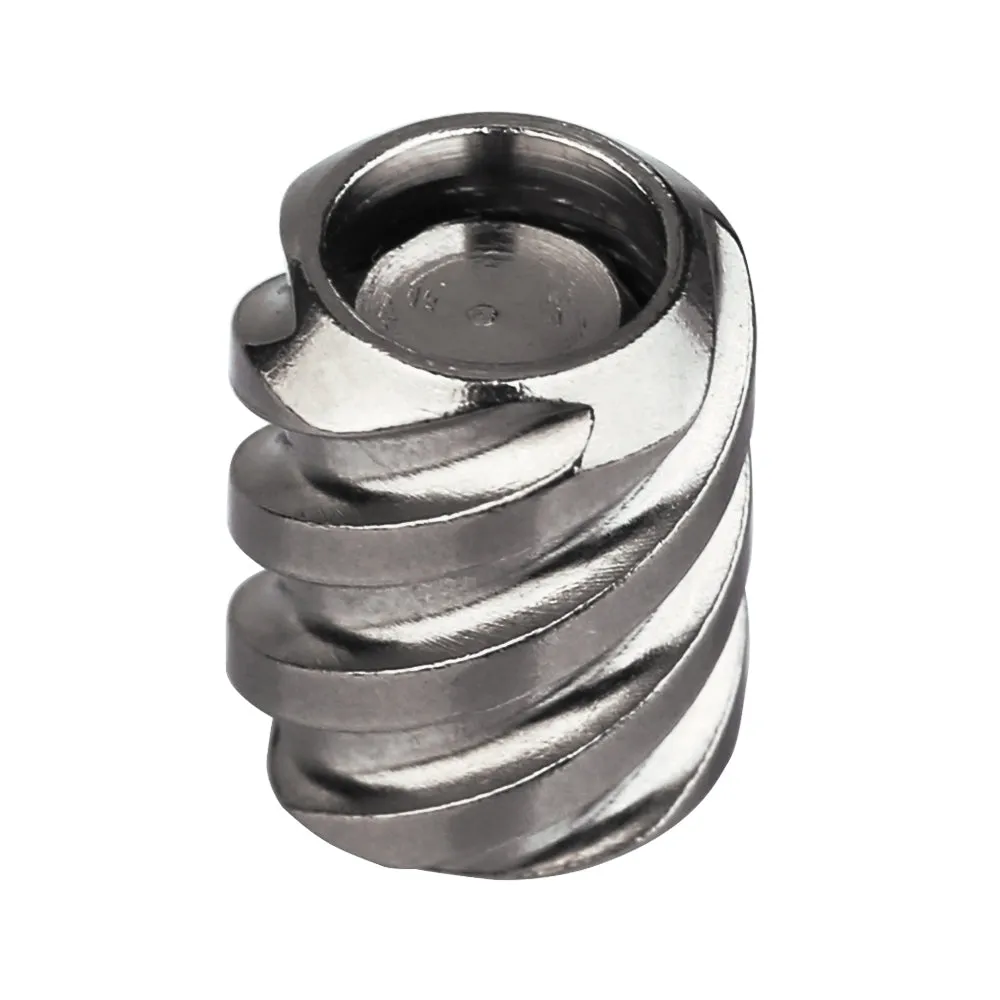
The device also requires deliberate airflow adjustment. At the cap, the upper screw is loosened, the induction sleeve is rotated, and the screw is then tightened again. At the stem, the mouthpiece and Heat Shield are used to adjust or close the air inlet. This split adjustment system is likely to appeal to enthusiasts; for buyers expecting a single factory setting with no learning process, it adds extra effort.
Visual temperature gauge and click indicators
According to the manual, the TEMPEST 2 has two click discs and a visual indicator. The click discs may activate simultaneously, especially at first, and the visual pointer continues to move as heat spreads through the cap. MAD Heaters warns never to heat the indicators directly. During reheating, the visual indicator should also not be taken as far as during the initial heating cycle.
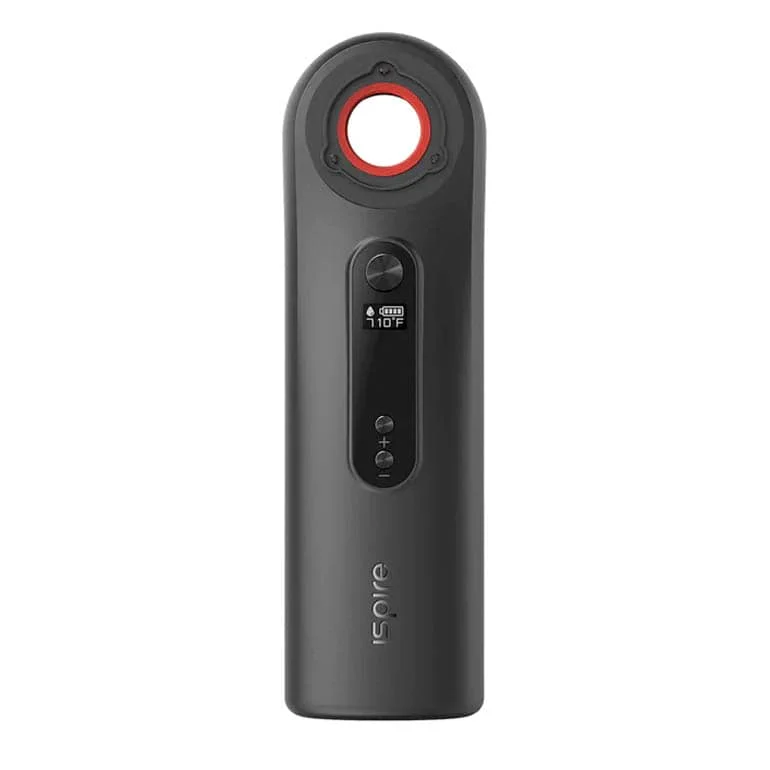
These indicators help with operation, but they do not digitally measure the material temperature. The frequently misunderstood Wand setting is particularly important: according to the TEMPEST manual, the displayed “temperature” value on the iSpire Wand functions as a timer for the heating duration in this setup. The frequently cited 280 °C is a typical starting value for zirconia balls in the described adapter setup, not a measured herb, bowl, or aerosol temperature. The value therefore belongs in instructions for the Wand setup and should not be listed as the TEMPEST's “maximum temperature.”
Torch or induction heater: no universal 35-second rule
For torch operation, MAD Heaters recommends a dual-flame, triple-flame, or medium-sized single-flame torch. The flame tip should remain approximately one centimeter away from the cap, and the device should be rotated slowly while heating. Regardless of burner type, an open flame and hot metal parts remain potential hazards. The cap must not be heated unattended or touched while hot, nor should it be placed on sensitive surfaces.
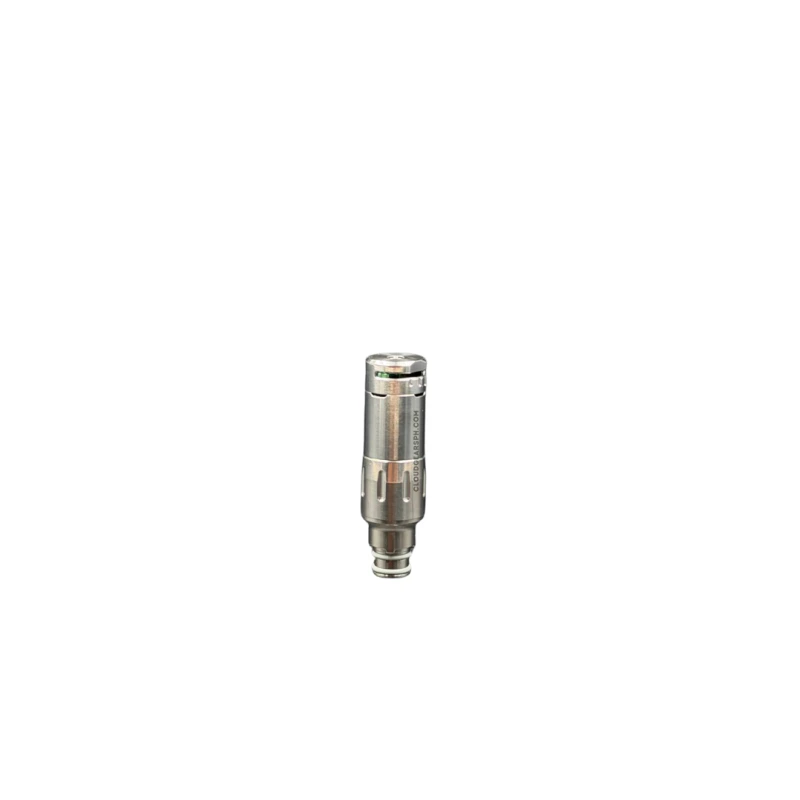
For induction heating, the manufacturer documents the iSpire Wand and YLL 3.0. For example, the manual specifies 80 W and approximately 35–40 seconds as a starting range for titanium caps with standard zirconia balls in the YLL setup. The more extensive table lists values ranging from just over 20 to more than 50 seconds depending on ball material, load weight, and power. Lower power extends the time, while higher power shortens it and may increase the risk of combustion if improperly adjusted. A blanket claim of “ready in 35 seconds” is therefore just as unsuitable as a fixed temperature claim.
The choice between a torch and an induction heater is therefore not simply a matter of preference. A torch requires fuel, rotation, and the safe handling of a visible flame. The Wand and YLL 3.0 require the correct adapter or depth setup, power, and time. Users who document these variables and adjust them incrementally gain more control; users expecting automatic regulation are more likely to view the learning curve as a disadvantage.
Size, material, and water filter connections
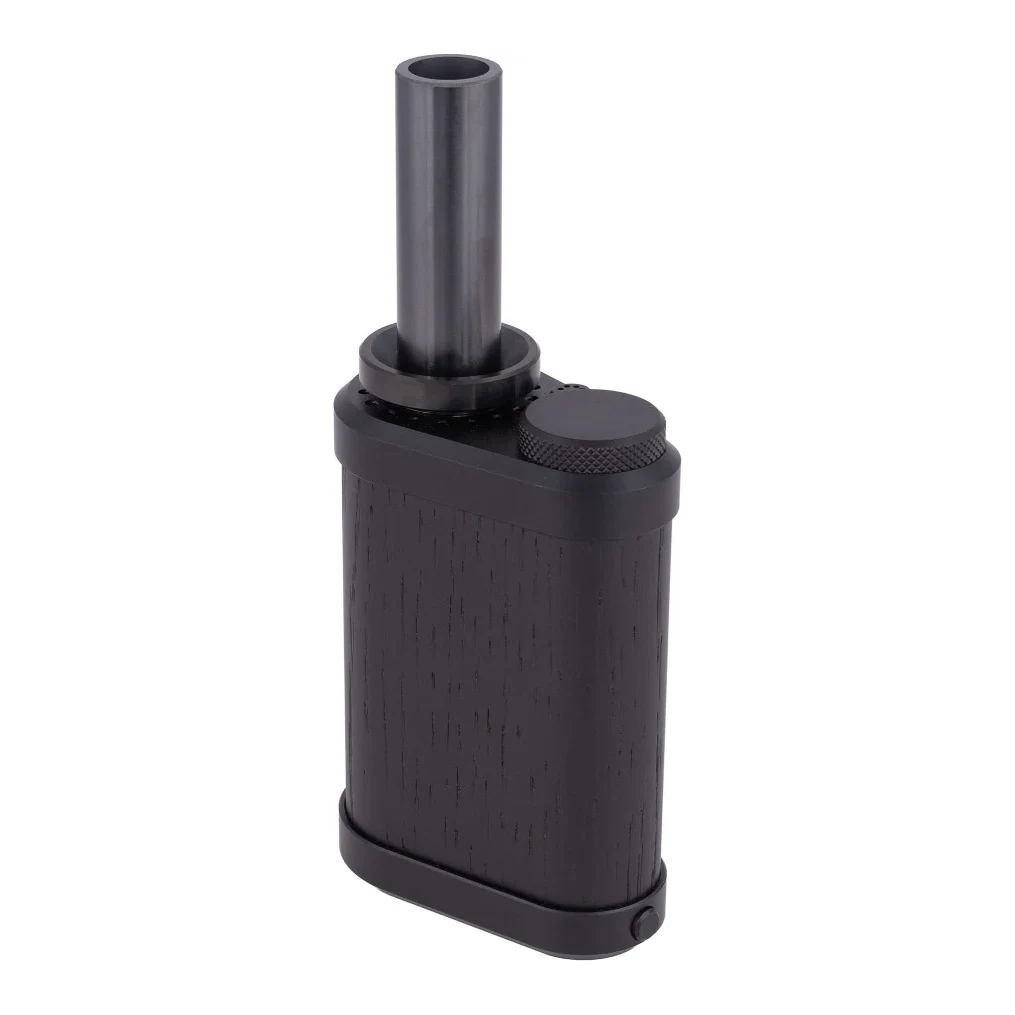
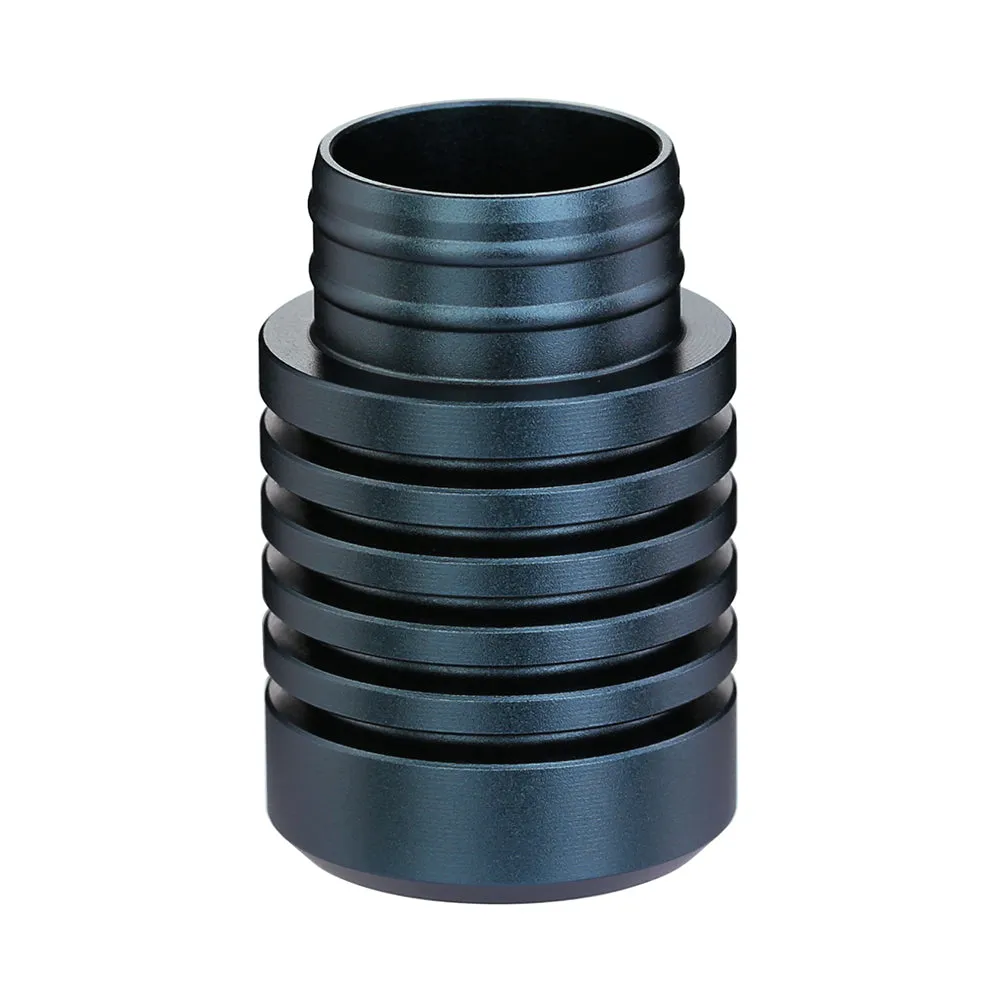
MAD Heaters lists dimensions of 122 × 18.5 mm. The published weight is 46 g with the aluminum Heat Shield and 43 g with the wooden Heat Shield. The main construction is described as Grade 5 titanium; stainless steel is used for components including the induction sleeve, indicator housing, and screens. Depending on the variant, the Heat Shield is made from anodized aluminum, wood, or titanium on correspondingly designated versions. Variant information should therefore always be stated directly alongside weight and material claims.
For water filters, the product page specifies 10-, 14-, and 18-mm WPA compatibility. This does not constitute blanket approval for every accessory from every revision. For third-party or cross-brand accessories, the exact dimensions, version, and source should be checked; components must not be forced together.
A realistic assessment of maintenance and durability
The current manual provides very specific maintenance intervals: quick cleaning is recommended after approximately 30 bowls and deep cleaning after approximately 100 bowls. Cleaning the new device before its first use is also described. Wooden components are expressly excluded from the complete IPA immersion cleaning described there. Different procedures also apply to the cap, indicators, balls, screens, O-rings, and surfaces. Users should therefore follow the current instructions in full instead of deriving a blanket “soak everything” rule from a single material reference.
Titanium, stainless steel, and replaceable components do not prove that the construction is “virtually indestructible.” Likewise, alleged microcracks after several years do not constitute reliable long-term observations without a documented unit, photos, usage history, and material analysis. The current MAD Heaters policy specifies a one-year warranty covering defects in materials and workmanship under normal use, unless otherwise stated on the product page. Misuse, accidents, modifications, and normal wear and tear are excluded. This is not a blanket two-year warranty.
The decision in one sentence
The TEMPEST 2 is a good shortlist option for technically minded users who deliberately want manual or induction heating, adjustable bowl sizes, visual and audible indicators, and extensive airflow adjustment. It is less suitable for beginners who expect a measured target temperature, automatic shutdown of the external heating process, a single foolproof heating procedure, or reliable long-term data from this article. Its value lies in its documented adjustability; the price is a setup and learning phase that should not be glossed over with invented session counts.
Official sources
Sources current as of September 30, 2026. The manual, product variants, availability, and warranty terms may change.
Frequently asked questions about the TEMPEST 2
Is the TEMPEST 2 a pure convection vaporizer?
MAD Heaters describes it as “convection-heavy” and ball-assisted. This page therefore uses “convection-heavy” and does not turn that wording into the stronger claim of pure convection.
Does the TEMPEST 2 have a heat indicator?
Yes. The current manual lists two click discs and a visual indicator. Both assist with operation, but they do not digitally measure the material temperature.
Does the Wand setting of 280 °C mean that the herb reaches 280 °C?
No. According to the TEMPEST manual, the Wand's temperature setting functions as a timer in this setup. 280 °C is a typical starting value for the heating duration with zirconia balls, not a measured bowl or material temperature.
Which heat sources are documented?
The manufacturer describes torch operation and lists the iSpire Wand and YLL 3.0 as compatible induction heaters. Dual-flame, triple-flame, or medium-sized single-flame models are recommended for torch operation.
How long does heating take?
There is no universal value. Depending on the ball material, power, timer, adapter, and starting conditions, the documented setups range from just over 20 to more than 50 seconds. The specific setup must be stated.
How long does the warranty last?
The current MAD Heaters policy specifies one year of coverage for defects in materials and workmanship under normal use, unless otherwise stated on the product page. Exclusions and documentation requirements apply.














 Tinymight 2 Black


Comments
No comments yet. Be the first!
Sign in to comment