Butane Vaporizer Temperature Guide
Butane vaporizers have no temperature dial — heat comes from the flame, and you control it through technique: where you aim the flame, how long you heat, how fast you draw. This guide compiles practical settings for 14 popular butane vaporizers. All temperatures are approximate; actual chamber temperature depends on torch type, flame size, distance, and ambient temperature.
Quick Comparison — Temperature Ranges and Heating Technique
| Device | Click? | Heat-Up | Torch | Low (Flavor) | Medium | High (Extraction) |
|---|---|---|---|---|---|---|
| DynaVap M7/M+ | Yes (2×) | 3–7 s | Single / Triple | Flame at cap tip (crimp) → ~185–210 °C | Mid-cap → ~220–240 °C | Cap base → ~240–260 °C |
| DynaVap B / B2 | Yes (2×) | 3–7 s | Single / Triple | Same as M series, cooler vapor via wood/glass body | Same as M series | Same as M series |
| Vestratto Tornado | Yes (Multi) | 25–35 s | Triple / Quad | Single torch, keep distance | Triple torch, mid-oven | Large torch, full power |
| Vestratto Anvil | Yes (1×) | 12–40 s | Single / IH | Flame on upper body | Mid-body, standard click | Flame near bowl area |
| Tempest 2 | Yes (visual) | 30–45 s | Single / Double | Heat lower section → ~200–220 °C | Through first click → ~230–260 °C | Lower + SS section → ~270–300 °C |
| Dani Fusion 2.0 | Yes (1×) | 10–15 s | Culinary torch min. | Stop at click | 2–3 s past click | 3–5 s past click (caution!) |
| Sticky Brick | No | Instant | Small single | Fast draw + flame far | Medium draw + distance | Slow draw + flame close |
| Vapman Click | Yes (1×) | 5–10 s | Single jet only | Stop before click | Inhale at click | 2–3 s past click |
| Lotus | No | 3–5 s | Single | Fast draw + gentle flame | Medium draw | Slow draw + full flame |
| Camouflet Convector | No | 7–15 s | Single jet | 7–8 s heating | 10–12 s heating | 13–15 s heating |
| Lamart PIRO | No | Instant | Thin single | Far, fast draw | Medium distance | Close, slow draw |
| Simrell FMJ | Via DV cap | 3–7 s | Single / Triple | Draw before click | Full click cycle | Use FMJ heat reservoir |
| Simrell MVS | Via DV cap | 3–7 s | Single / Triple | Airport open | Airport half open | Airport closed |
DynaVap — Flame Position as Temperature Dial
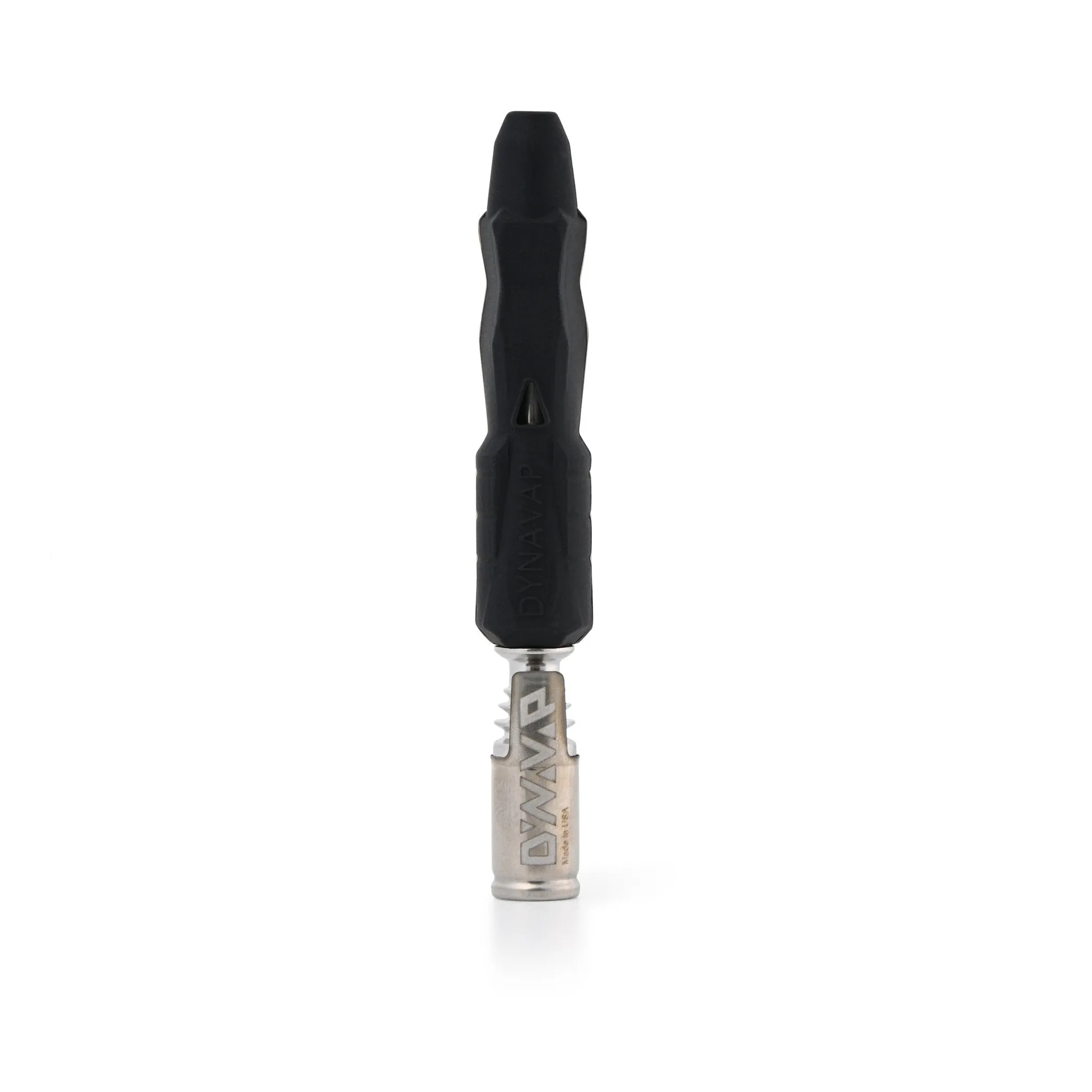
All DynaVap devices (M7, M Plus, The B, B2, VonG, WoodWynd, HyperDyn, UniDyn) use the same bimetallic click cap system. The cap clicks at roughly 230–250 °C — where exactly depends on where the flame hits the cap.
Flame at the cap tip (crimp end): Heat takes longer to reach the chamber. Result: lower chamber temperature (~185–210 °C), terpene-rich flavor, lighter vapor. Ideal for the first heat cycle on a fresh bowl.
Flame at cap base (toward mouthpiece): Heats the chamber directly — the bimetallic disc clicks early, but chamber temp is higher (~240–260 °C). Dense vapor, strong extraction, darker roast. Good for second or third heat cycles.
Rotation: Spin the DynaVap continuously in one direction between thumb and index finger (“infinite spin”). Prevents hot spots and ensures even heating. Less critical with a triple torch but still recommended.
Torch type: Single torch = more control, better for flavor. Triple torch = faster, more even heating, better for maximum extraction. Hold the torch about 4 cm away and aim at the light blue Halo of the flame (hottest zone), not the dark inner cone.
Vestratto Tornado — Dual Atomizer for Power Users
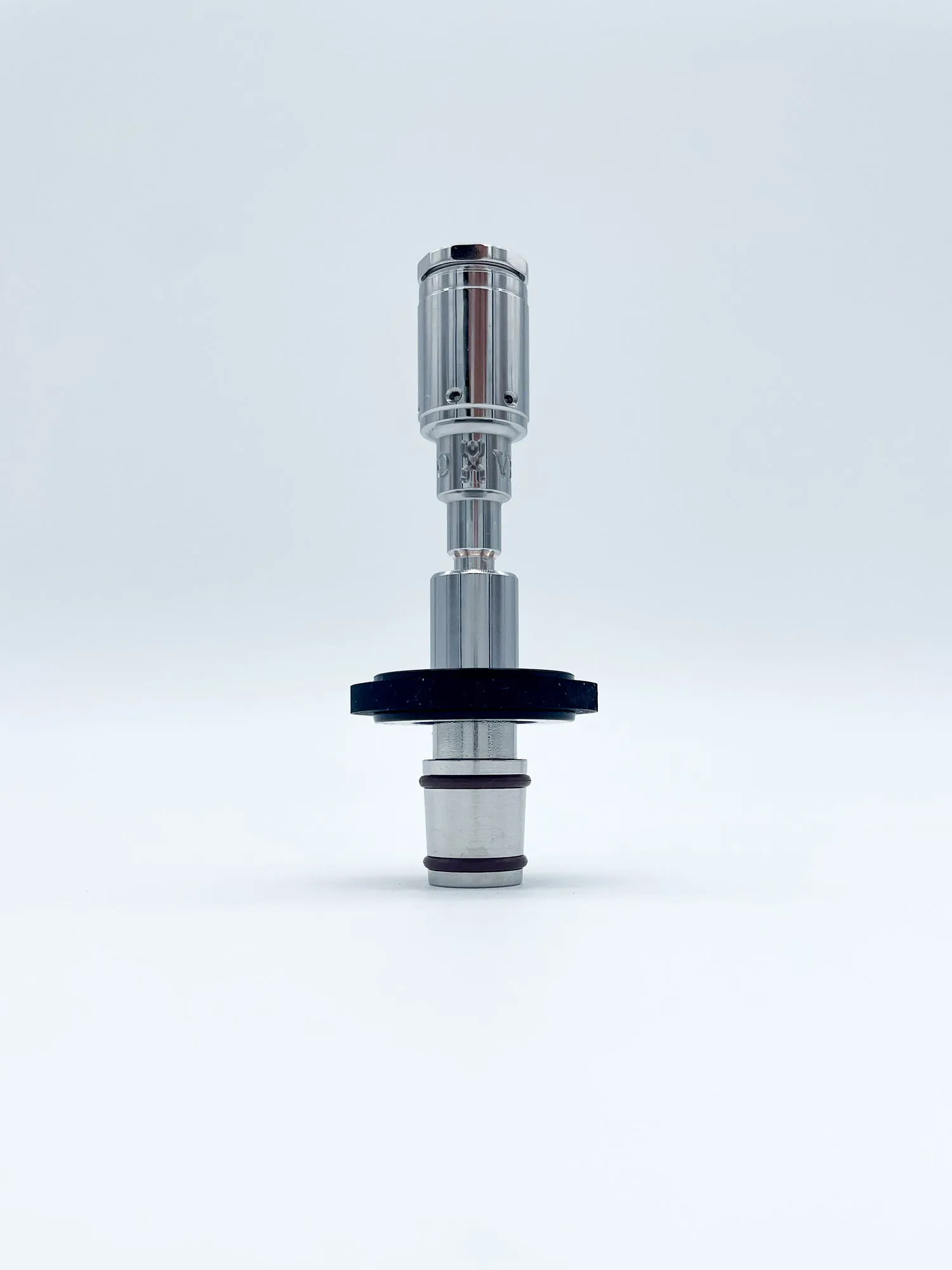
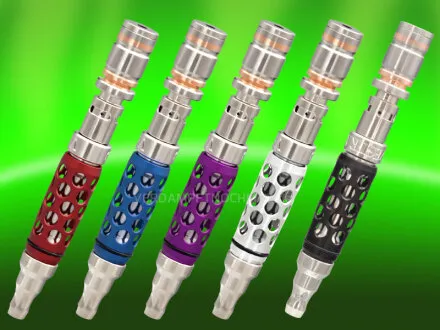
The Tornado uses a CopperCore with two atomizers: the primary vaporizes, the secondary refines the vapor. Heat-up time is 25–35 seconds — much longer than DynaVap due to greater thermal mass.
Flame position: Between and just above the vent holes on the oven section. Lower toward the neck = darker, warmer results. No rotation needed — the CopperCore distributes heat evenly.
Torch: The Tornado rewards power, not restraint. A strong triple or quad torch at full power is the sweet spot. A single pocket torch works but the Tornado is built for intense extraction.
Vestratto Anvil — Click Measures Actual Chamber Temp
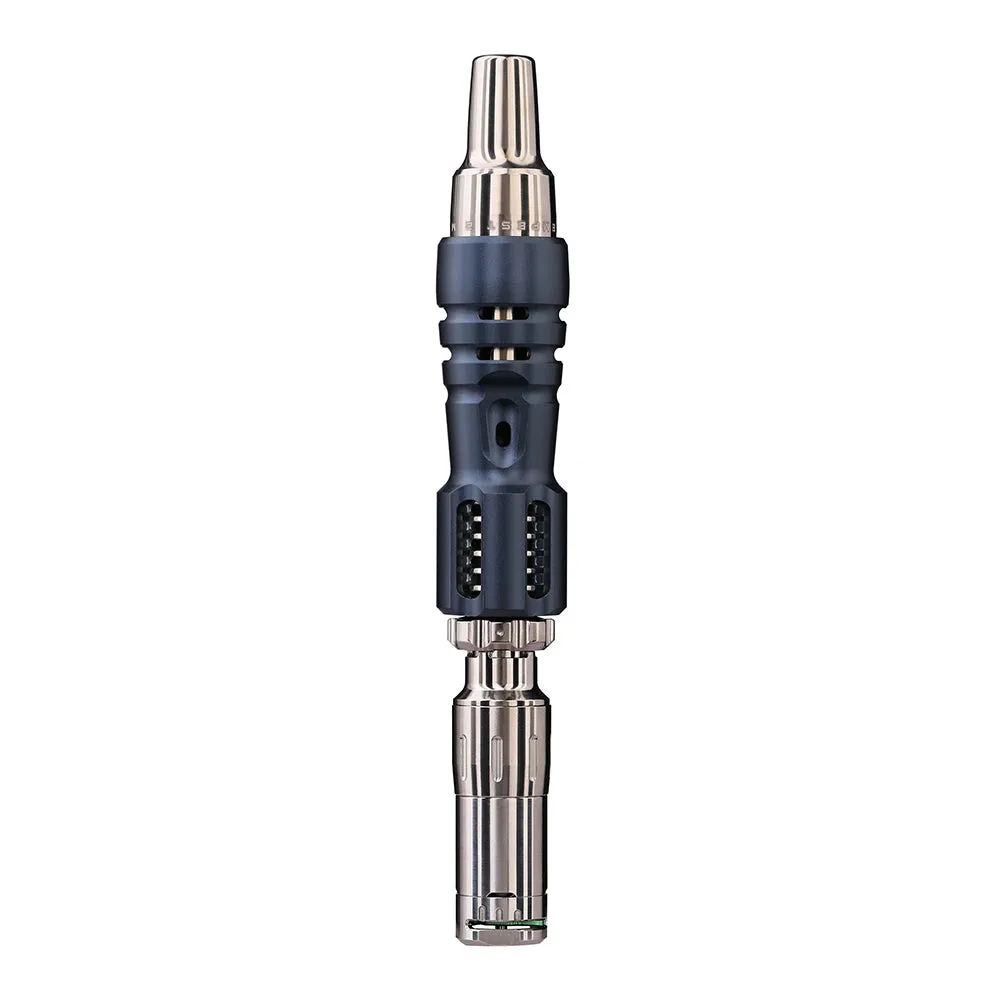
The Anvil’s key difference from DynaVap: its bimetallic click measures actual chamber temperature, not the cap surface. This makes it more consistent across torch types.
Upper body: Cooler extraction, flavor-forward. Lower bowl area: More conduction heat on top of convection, denser vapor. No rotation needed. Airflow: Restricted = hotter, denser. Open = cooler, more flavor. Adjustable mid-draw.
MAD Heaters Tempest 2 — Ball Vape with Click
The Tempest 2 uses steel or zirconia balls in the oven that store heat and release it to the air during draws. Click-based temperature indicator.
Heating zone: Torch the lower section first (heats the balls), then the stainless steel section above for more extraction. This shifts the ratio toward conduction. Draw technique: Long, slow draws with the air hole covered are most effective — increases chamber pressure and temperature.
Dani Fusion 2.0 — One Click, Two Heating Methods
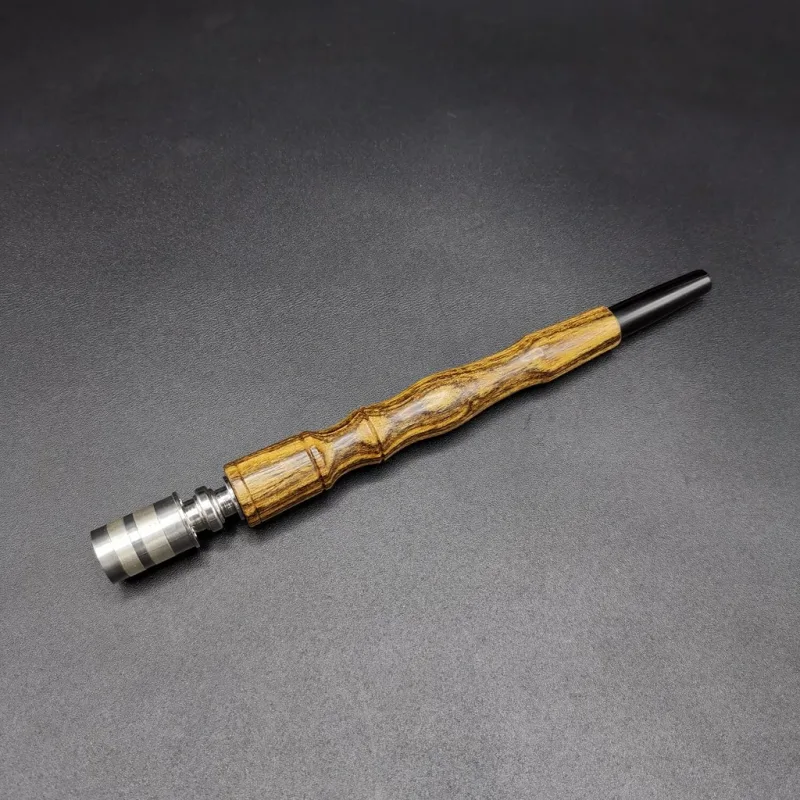
The Dani Fusion combines a conduction cap with a convection air path. A single click (not two like DynaVap) signals operating temperature. Needs at least a dual-flame pocket torch or culinary torch — standard lighters are underpowered.
Technique: Heat the lower cap side. Stop at click = flavor-forward hit. 2–3 seconds past click = full extraction. Past 5 seconds = combustion risk. The 2.0 version has a narrower window between click and combustion than the 1.0. Known as one of the most flavor-intense butane vaporizers at low temperatures.
Sticky Brick — Draw Speed Is the Thermostat
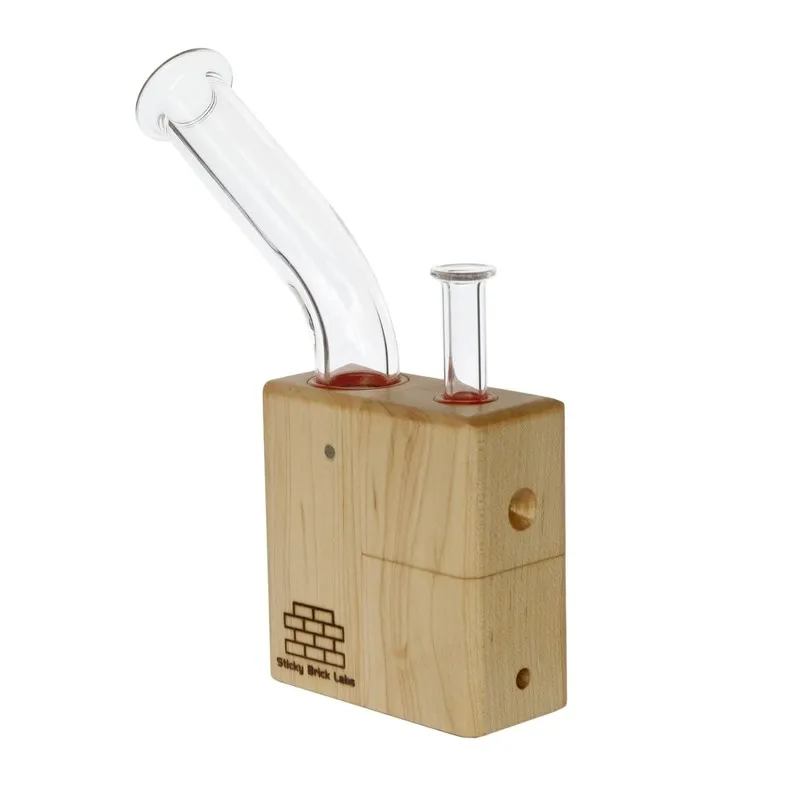
Sticky Bricks (Junior, Runt, OG, Flip, HydroBrick Maxx) are pure convection vaporizers with no click system. The flame heats air in the wood intake, which flows through the material. Temperature control via three factors: flame distance (farther = cooler), draw speed (faster = cooler), and flame size (smaller = cooler).
Beginner tip: Insert the restrictor disc (316 SS) between flame intake and chamber. It buffers excess heat and significantly reduces combustion risk during the learning phase.
Vapman — Swiss Gold-Cone Precision
The Vapman uses a wok-shaped, gold-plated copper chamber heated directly from below. Mainly conduction with some convection.
“Tip-to-tip” rule: Aim the jet flame tip directly at the gold cone tip underneath the device, perpendicular (90°) from below. Pulse technique: 3–4 seconds heat, 3–4 seconds pause, repeat 2–3 cycles. A thin wisp from the mouthpiece = ready. Burnt popcorn smell = too hot. Vapman Click: Clicks at ~180 °C. Bowl holds only ~0.1 g — ideal for microdosing.
Lotus — Torch and Draw Simultaneously
The Lotus by INHALE works differently from everything else on this list: you torch and draw at the same time. Aim at the center of the lotus engraving on the cap, move slowly in circles, and inhale gently. Draw speed is the main temperature control: fast draw = cooler, slow draw = hotter. The design keeps herb completely isolated from combustion gases.
Camouflet Convector — Ultra-Low Thermal Mass
The Convector (V1, V2, XL) has extremely low thermal mass: fast heat-up, fast cool-down. No click — heating duration determines temperature. Heat the end cap with a single-jet torch: 7–8 s = flavor, 10–12 s = balanced, 13–15 s = full extraction. Pack loosely — pure convection needs good airflow.
Simrell FMJ & MVS — DynaVap Upgrades
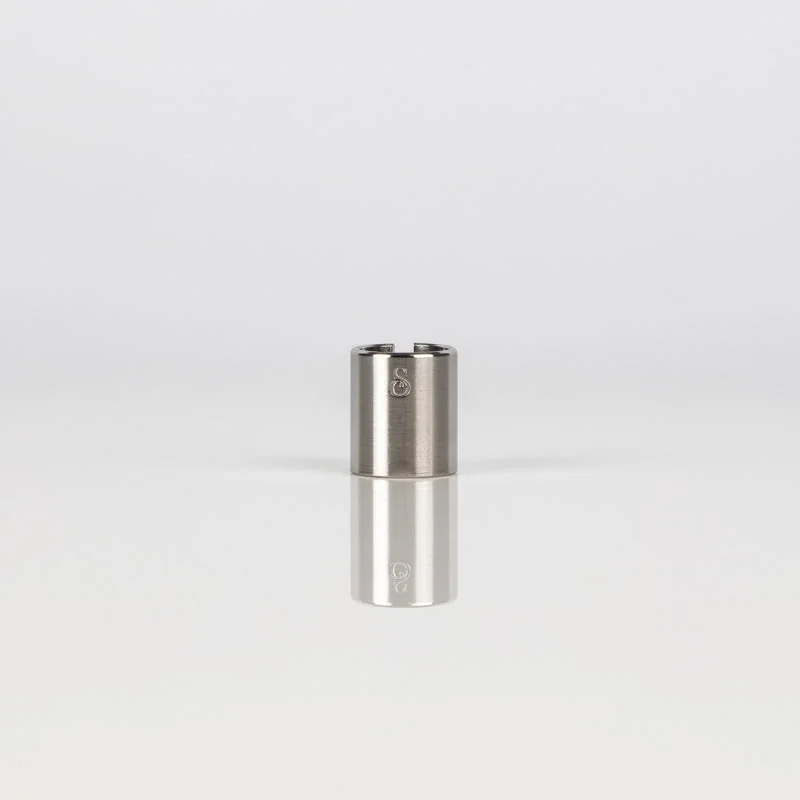
FMJ (Full Metal Jacket): Stainless steel sleeve around the DynaVap tip area, acts as a heat reservoir. One heat cycle can extract the full bowl. Aim at the logo etching. MVS (Modular Vortex System): Teardrop airports are the main temperature control. Closed = higher pressure/temp/density. Open = cooler, more flavor. Adjustable mid-hit.
General Tips for Butane Vaporizers
- Single torch for flavor, triple for extraction. This rule applies to nearly all click-based devices. For Sticky Bricks and Lotus, the smallest functional single torch is best.
- Heating past the click damages the bimetallic disc over time and risks combustion. Do a second heat cycle instead.
- Restricting airflow raises temperature. Applies to all devices: close the carb hole, cover the airport, draw slower.
- Stir between heat cycles. Butane vaporizers extract less evenly than electronic devices. A quick stir redistributes the material.
- Use quality butane gas. Cheap gas contains impurities that clog torch nozzles. Brands like Xikar, Colibri, or Newport are worth it.
Frequently Asked Questions (FAQ)
How do you control temperature on a butane vaporizer without a display?
You control temperature through three variables: flame position on the cap or intake (DynaVap, Tornado, Anvil), draw speed (Sticky Brick, Lotus, PIRO — faster draw = cooler), and heating duration (Camouflet, Dani Fusion). Most devices use a combination. After 5–10 bowls you will have your technique dialed in.
Single torch or triple torch — which is better?
Neither is “better” — they serve different purposes. Single torch gives more control, heats slower, suits terpene-rich low-temp sessions. Triple torch heats faster and more evenly, better for high temperatures and maximum extraction. For Sticky Bricks and Lotus, always use a single torch.
Can butane vaporizers use a regular lighter?
No. Jet-flame lighters (torches) are required. A soft flame lacks focused heat, leaves soot on the cap, and fails in any wind. Exception: some VaporGenie models are designed for soft flames.
What happens if you heat past the click?
The material combusts instead of vaporizing — you taste burnt plant matter instead of terpenes. Repeated overheating permanently deforms the bimetallic disc, making the click point unreliable. Never heat past the click. For more extraction: let the cap cool (second click), then reheat.
Which butane vaporizer is best for beginners?
The DynaVap The B or M7: the click system provides a clear audible signal when temperature is reached. Alternatively, a Sticky Brick Runt with restrictor disc — easiest to use in the Sticky Brick family.
DynaVap or Sticky Brick — what is the main difference?
DynaVap heats the chamber externally (primarily conduction), has a click safety system, and works with small bowls (~0.1 g). Sticky Bricks use pure convection — the flame heats air, not the device. No click, but larger bowls and instant hits with no heat-up phase. DynaVap is more beginner-friendly; Sticky Bricks reward technique with intense flavor.
Are induction heaters better than torches for butane vaporizers?
For home use yes, on the go no. Induction heaters (like the Ispire Wand or Vestratto FORGE) deliver repeatable results without flame — no butane, works in wind. Downsides: more expensive, less portable (battery needed). For home use, an IH is a real upgrade. On the go, a torch stays more practical.
How long does a torch fill last?
A single torch typically lasts 50–80 DynaVap bowls per fill. A triple torch uses more gas, managing 30–50 bowls. Culinary torches (for Dani Fusion, Tornado) last much longer due to their bigger tank. Quality butane (Xikar, Colibri) clogs nozzles less.
Which butane vaporizer delivers the best flavor?
The Dani Fusion 2.0 tops the flavor charts — especially at the click point with low temperatures. Also outstanding: Lotus (pure convection, no butane contact with herb), Vapman (gold plating adds no taste), and DynaVap with Low Temp Cap heated at the tip. Among Sticky Bricks, the OG Brick is the flavor king thanks to its longest vapor path.