
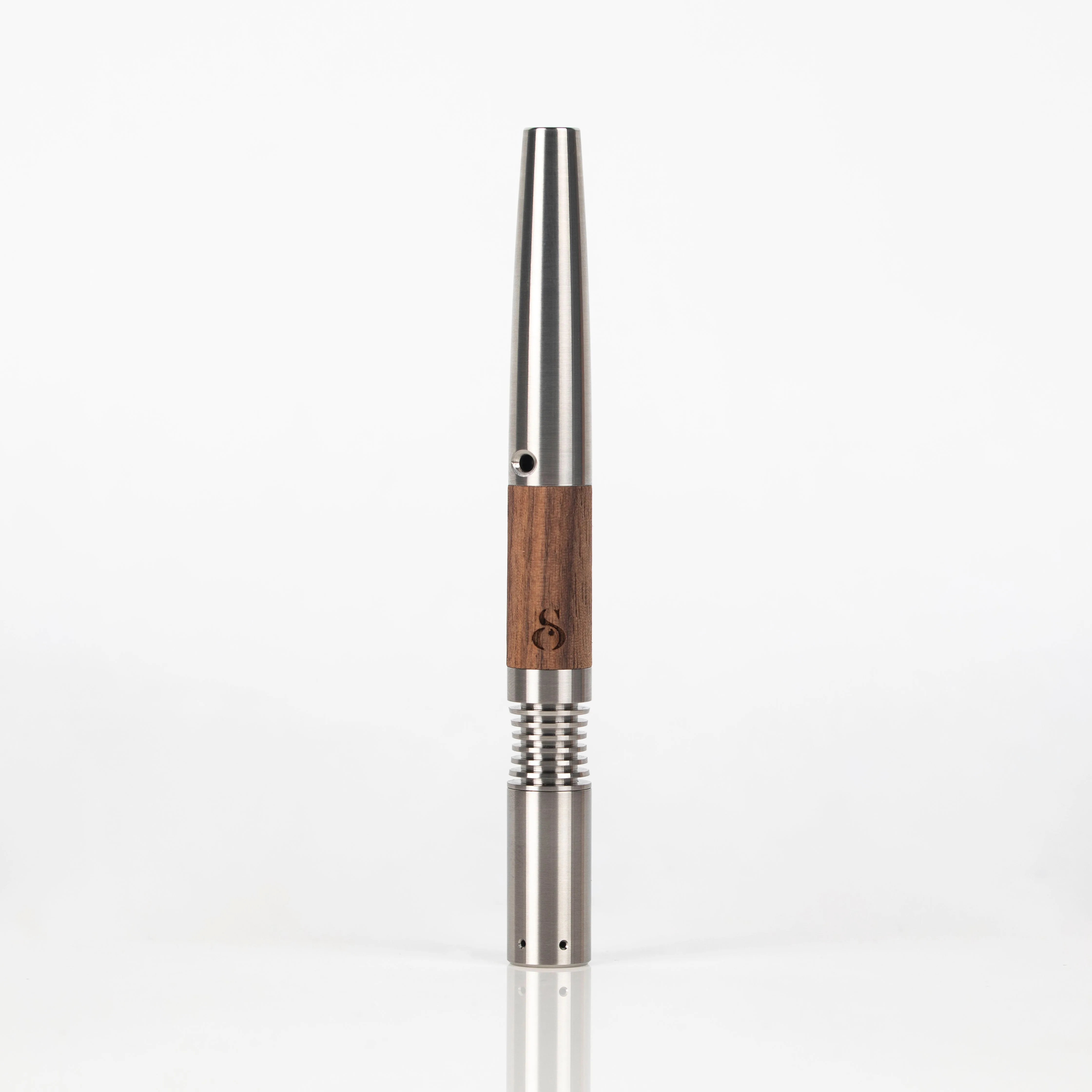
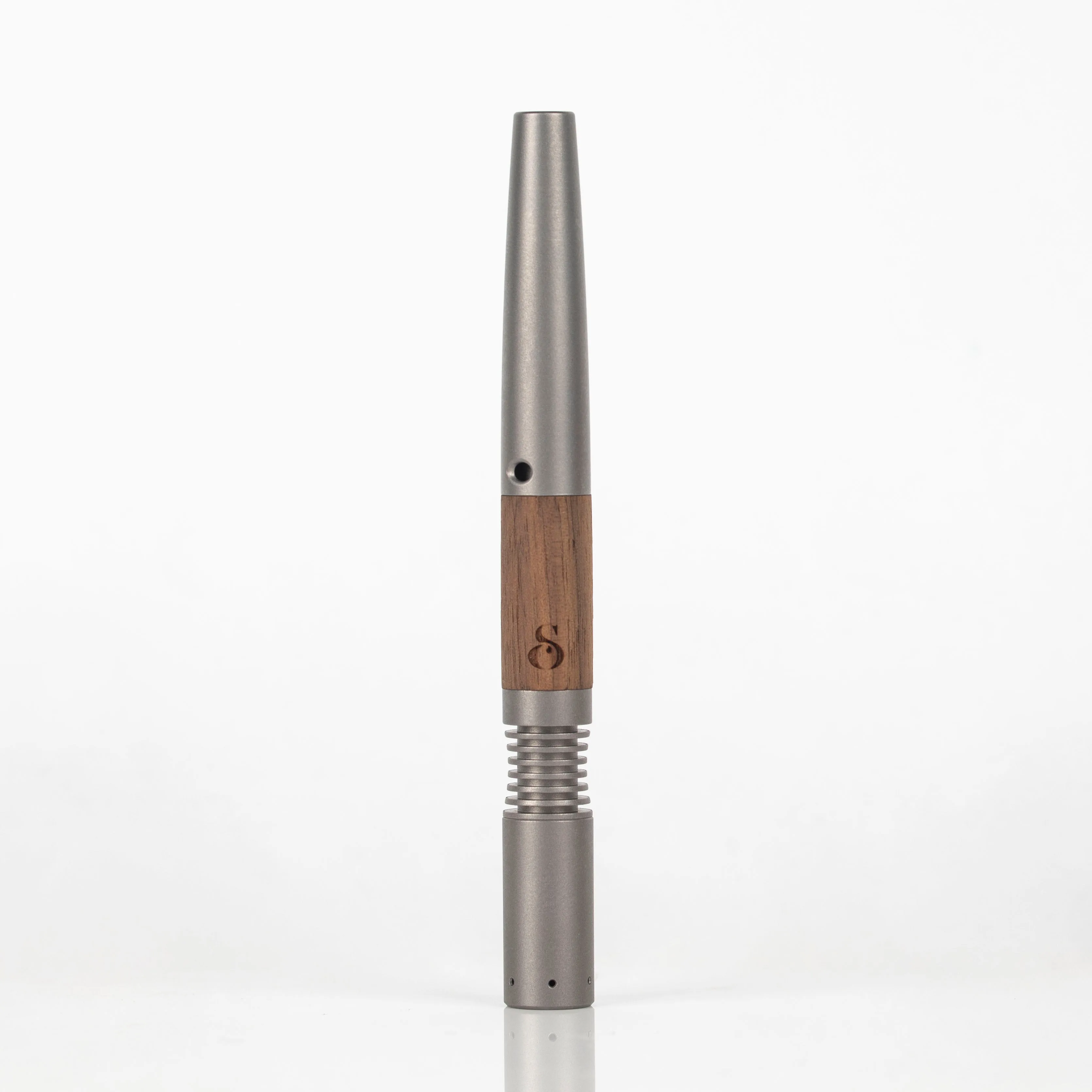
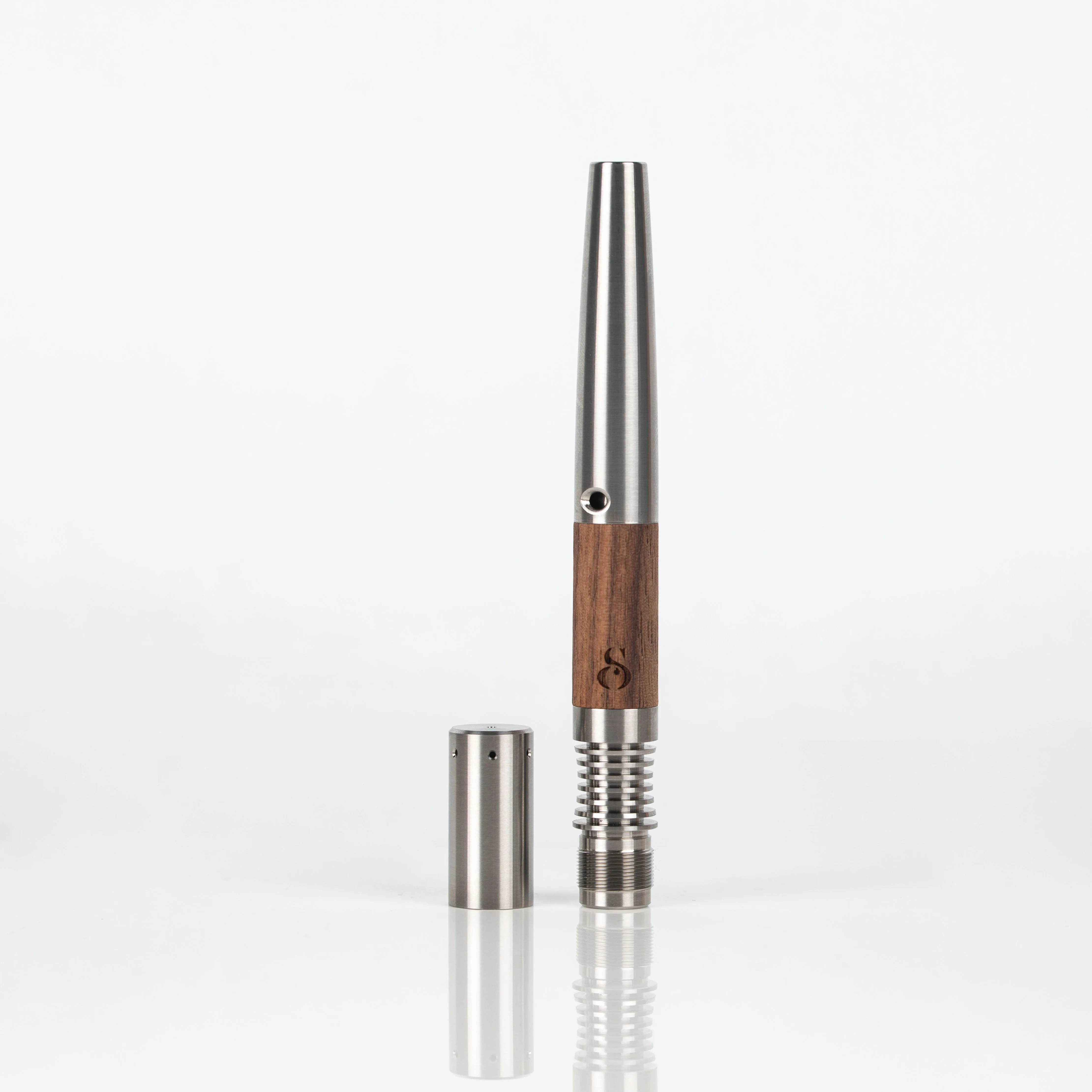
Pros
- Simrell MVS with Vortex cooling — cooler, smoother vapor
- Just 20 g — ultra-light and compact
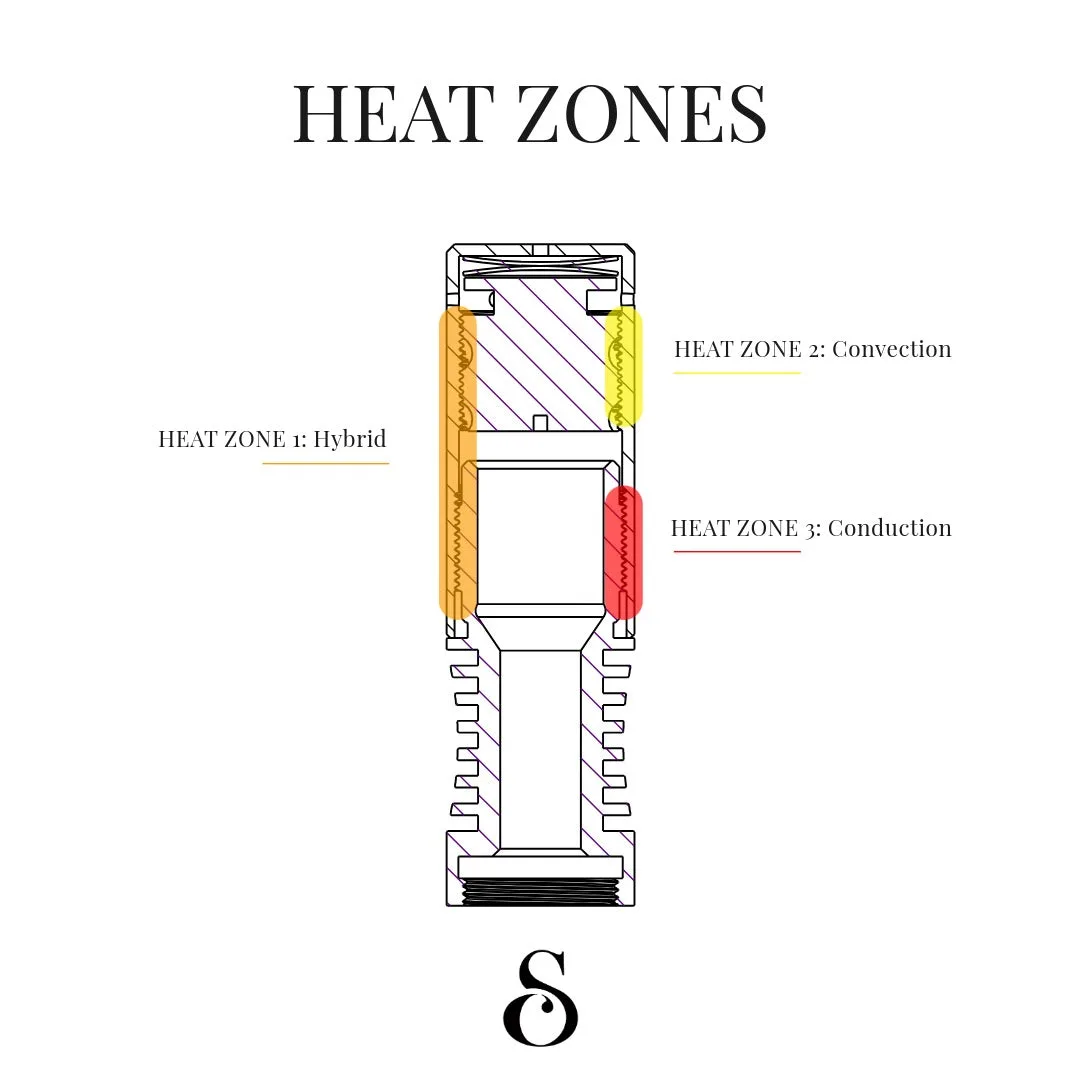
- Hybrid heating via butane
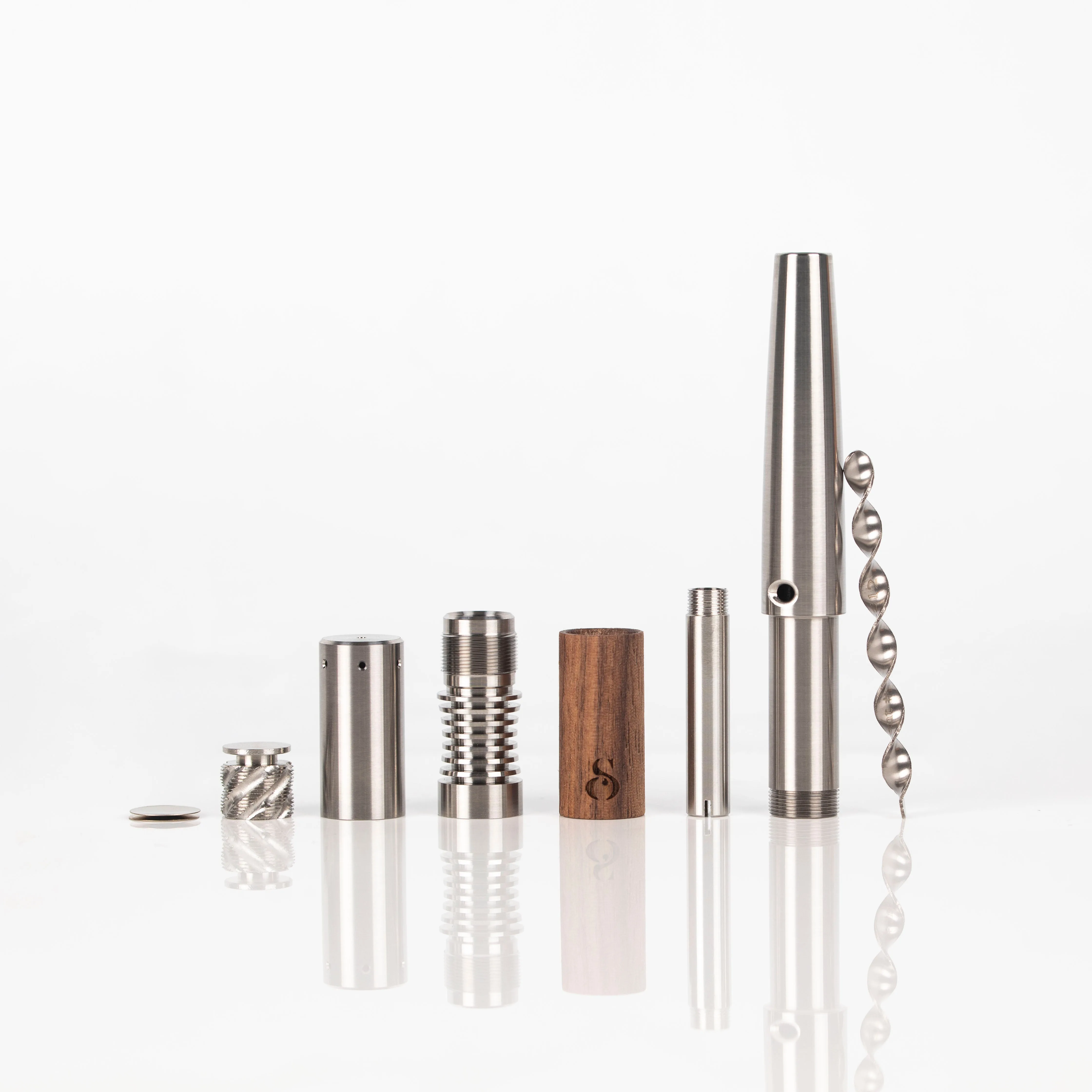
- DynaVap compatible and modular
Cons
- Butane torch needed
- Small chamber for microdoses
- Premium price close to €200
Simrell MVS — Price Comparison (1 Shop)
Price history is being recorded. Check back in a few days!





Last updated: 17/07/2026, 6:42 AM
* Some links are affiliate links. We earn a small commission if you purchase through these links — at no extra cost to you.
Specifications
| Specifications | |
|---|---|
| Heating Method | Hybrid |
| Device Type | Butane Vaporizer |
| Brand | Simrell |
| Power Source | Butane |
| Heat-up Time | 7 seconds |
| Weight | 56 g |
| Warranty | 99 years |
| Water Pipe Compatible | View water pipe adapters |
| Session Mode | On-Demand |
| Temperature Control | Manual |
| Material | Dry Herb |
| Vapor Path | Metal |
| Replaceable Battery | No |
| Passthrough Charging | No |
| Charging Port | none |
| MSRP | $295,65 |
| Status | Discontinued |
Source: Planet of the VapesRetailer · Verified 19.02.2026
About this vaporizer
The Simrell MVS is a butane-powered vaporizer developed as a multi-use stem system compatible with DynaVap-ecosystem components. MVS stands for Multi-Vapor Stem, and the design intent is a high-quality carrier platform that works across a range of DynaVap-compatible caps and tips. Butane torch heating delivers a hybrid heating experience that brings herb to roughly 220 degrees Celsius in about seven seconds – in line with the DynaVap ritual but with extended accessory compatibility through the Simrell component ecosystem.
There is no battery and no electronics. Operation requires only a standard butane torch. For users who want full independence from power outlets and charging schedules, this mechanical simplicity is a genuine selling point. Dosing capsule support is included. Water pipe compatibility is achievable with appropriate adapters. The titanium and stainless steel construction supports the 99-year warranty that Simrell provides.
The MVS is not for users who expect digital temperature display, app control, or automated heat cycles. It addresses the community of mechanical vaporizer enthusiasts who achieve precise results through torch technique and experience rather than electronics. Most buyers already have DynaVap experience and are looking for a premium alternative or complement with broader compatibility.
For its target audience, the Simrell MVS is an outstanding piece of engineering. The materials quality is excellent, the warranty is extraordinary, and the DynaVap-compatible design philosophy opens it to a large existing user base. If you know what butane vaping involves and want the best-built option in that niche, the MVS earns serious consideration.
- Simrell MVS with Vortex cooling — cooler, smoother vapor
- Just 20 g — ultra-light and compact
- Hybrid heating via butane
- DynaVap compatible and modular
- Butane torch needed
- Small chamber for microdoses
- Premium price close to €200
Simrell — Artisanal US Manufacturer of Vaporizers and Cooling Stems Key Takeaways Brand: Simrell Collection — small-batch manufacturer from Ohio, USA, with in-house production and direct-to-consumer sales via…
Simrell →The Simrell MVS by Simrell uses hybrid heating and is suitable as a portable vaporizer for everyday use. Up to 220 °C is possible. Heat-up time: around 7 seconds. Compatible with water pipe adapters. In our price comparison you will find current offers across Europe.
See also: Simrell Vortex · Simrell Hyper 9 · Simrell Heritage · Simrell Hydro
Hybrid Heating Principle
Research context: A study in the Journal of Pharmaceutical Sciences (Hazekamp et al., 2006) showed that vaporization at controlled temperatures releases over 95 % of the desired active compounds, while combustion by-products are largely avoided. Source: PubMed 16637053
Temperature and Vapour
Heating Up and Session
How Do I Charge the Battery Properly?
Intercooler Technology
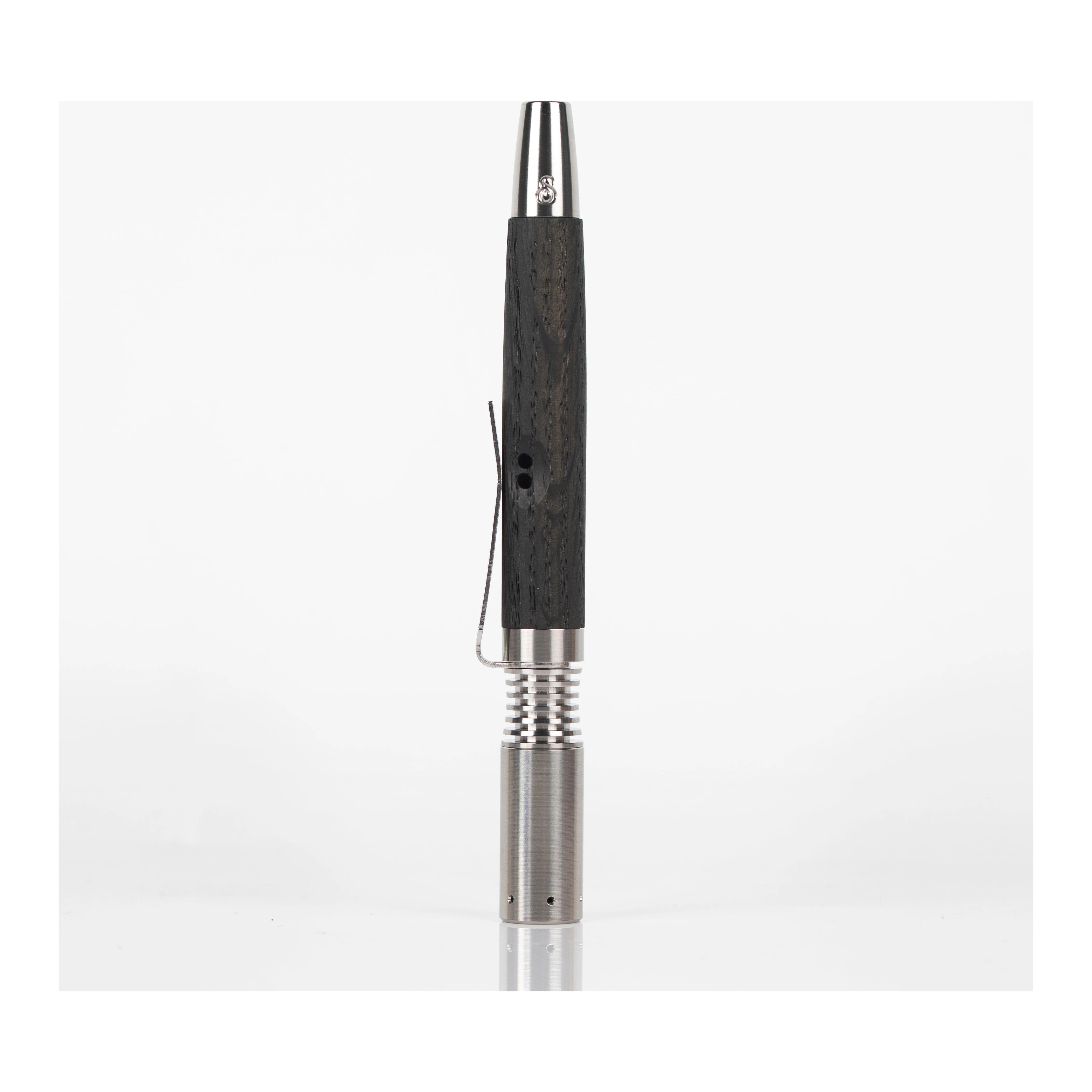
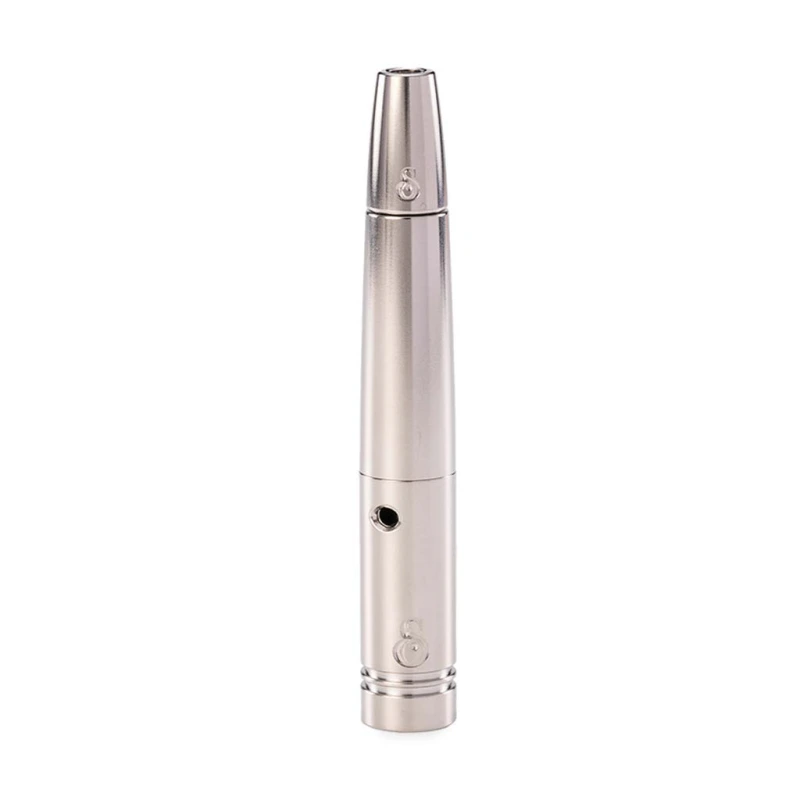
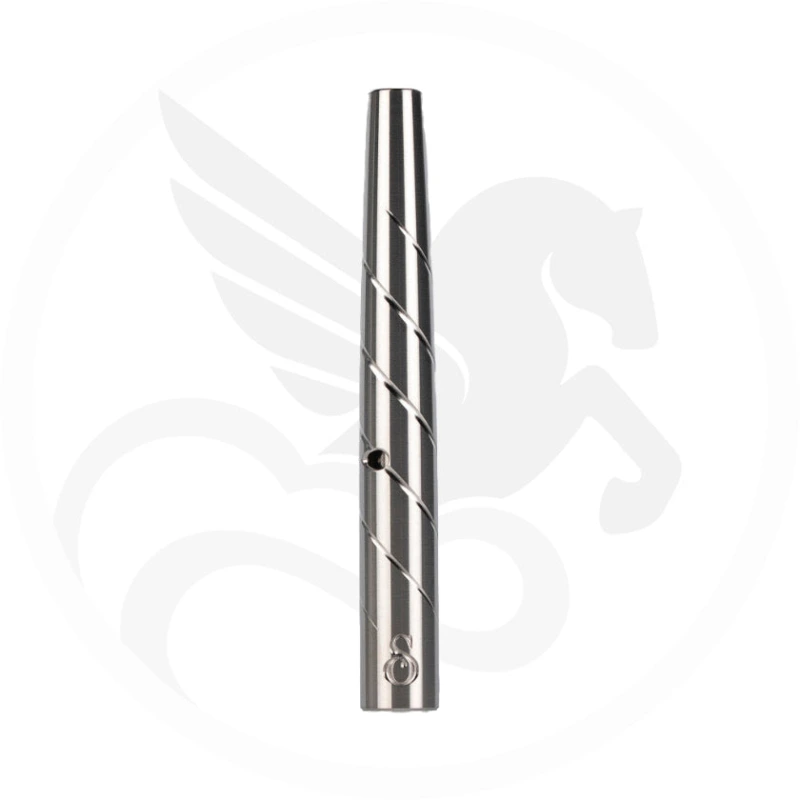
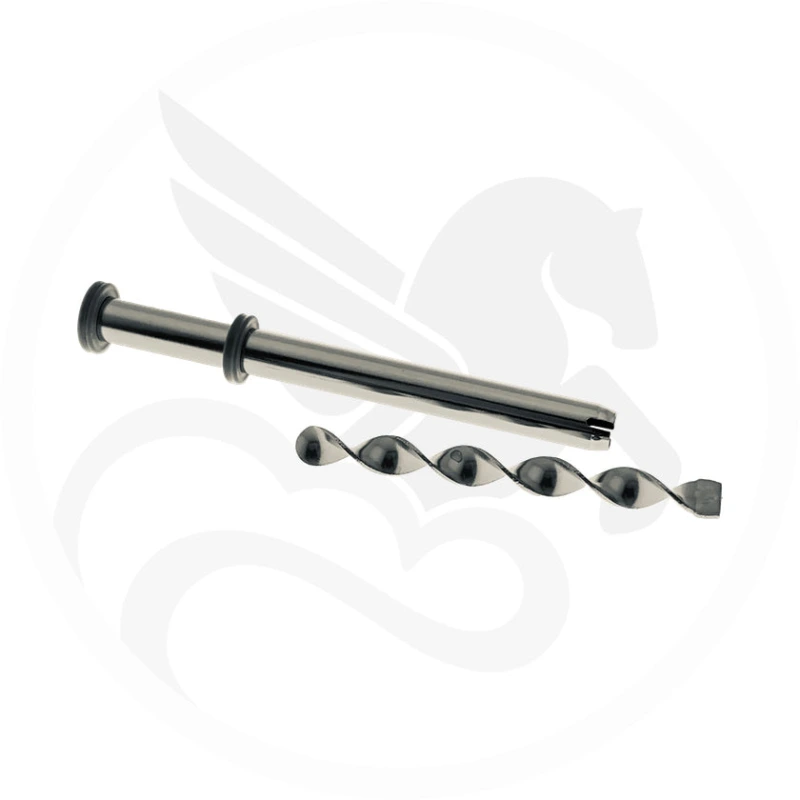
The Simrell MVS (Multi-Valve Stem) uses a patented intercooler system to cool the vapour on its way to the mouth. Inside the stem are several offset fins that force the vapour into a spiral-shaped path. This lengthening of the path cools the vapour by an estimated 30-40 degrees, without requiring a water filter. The result: smoother, more pleasant draws with full flavour intensity. At the same time, the fins break up larger vapour particles.
Titanium vs. Stainless Steel
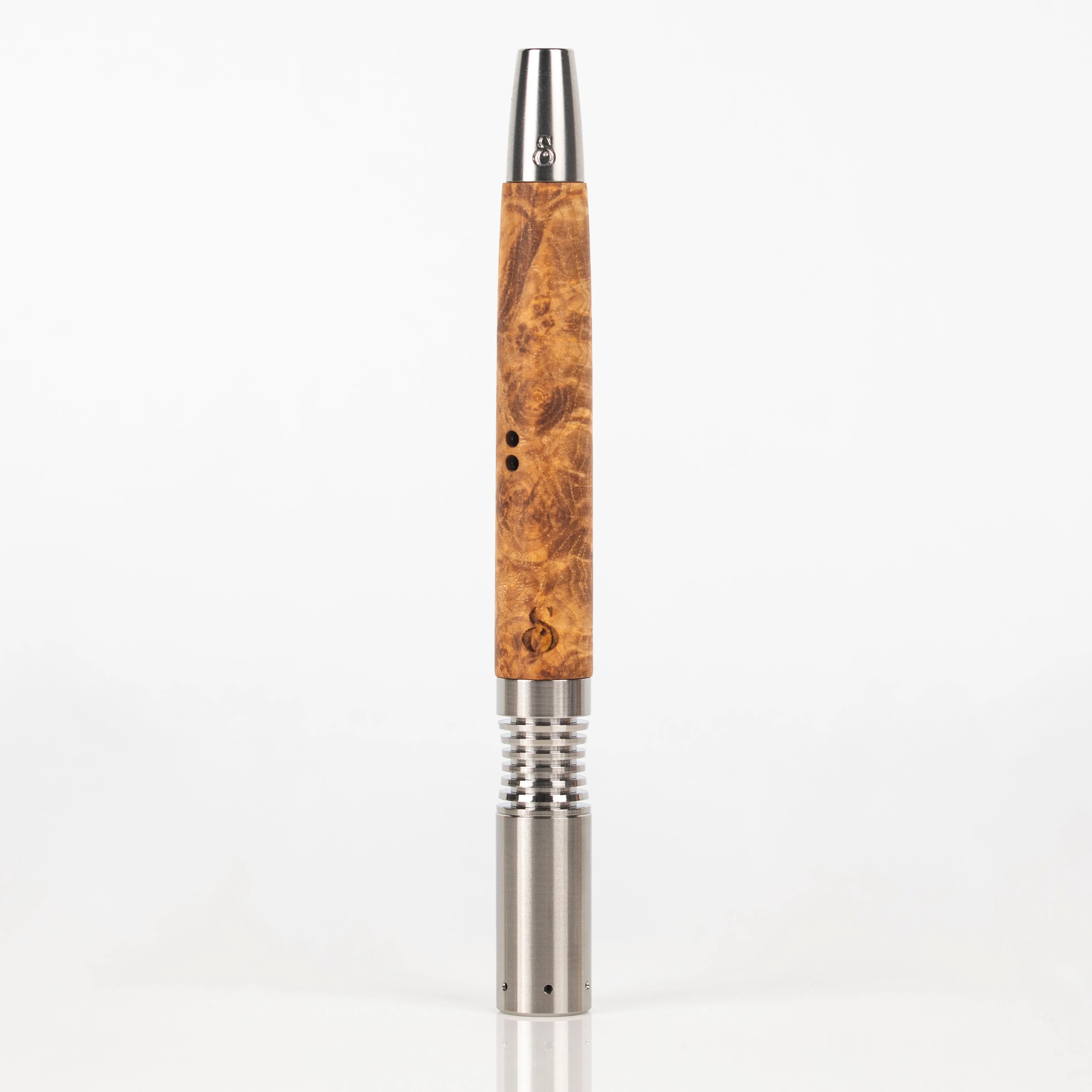
The MVS is available in titanium and stainless steel. Titanium is around 40% lighter and offers minimal heat conduction — the stem stays cool, even when the DynaVap-Tip is glowing hot. Stainless steel conducts a little more heat, but is priced significantly lower. Both versions use the same intercooler mechanism. The surface is available in various anodised finishes — purely cosmetic, with no effect on function.
Care of the MVS
The Simrell MVS needs regular cleaning of the intercooler — resin collects in the fins. Once a week, soak the stem in isopropanol and pull a pipe cleaner through it. The titanium finish is resistant to the alcohol. Replace the O-rings at the stem end about every 3-4 months if the fit on the DynaVap becomes loose. Replacement O-rings cost only a few cents.
Everyday Use
The Simrell MVS, together with a DynaVap-Tip, fits into any jacket pocket. For use on the go, a small Dynavap container that protects both is recommended. The titanium version weighs only 28g — together with the tip, under 50g total weight. This makes the combination one of the lightest on-demand vaporizers available.
Official Resources
More Simrell Vaporizers 3
Similar Vaporizers 3


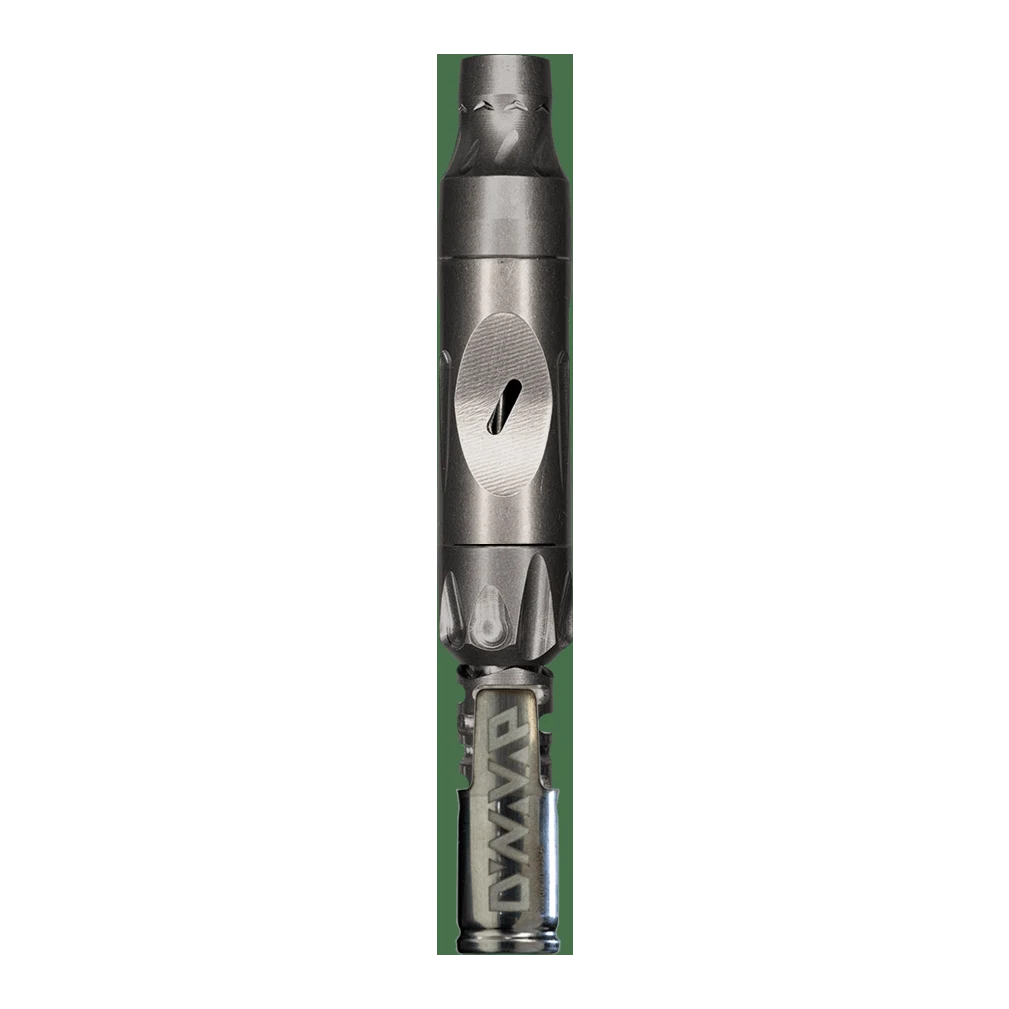
Spec comparison
| Simrell MVS | Simrell Vortex | |
|---|---|---|
| Type | Butane | Butane |
| Heating | Hybrid | Hybrid |
| Temperature | 220°C | 220°C |
| Heat-up time | 7s | 7s |
| Battery | Butane | Butane |
| Price from | N/A | N/A |
Compatible Accessories


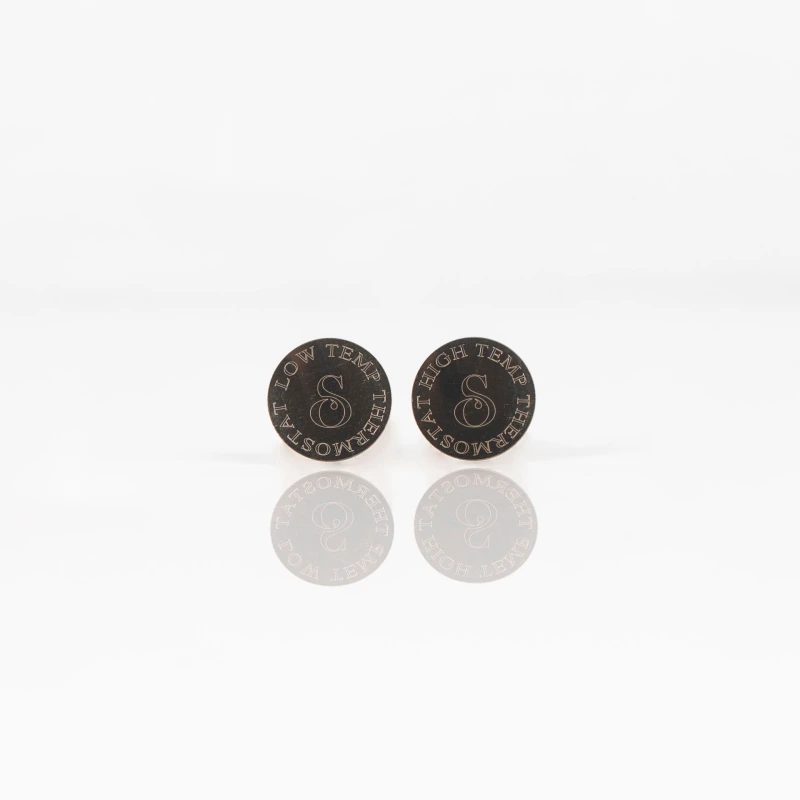
Starter Bundles
More even extraction, better flavour and less stirring needed. Hybrids use both heating principles, which makes better use of the material.
No, hybrid devices heat up similarly quickly to pure conduction (15-30s). The convection part only activates when inhaling.
Comments
No comments yet. Be the first!
Sign in to comment