Terpenes & Entourage Effect in Vaporizing: Aromatics, Boiling Points & Top 10 (2026)
Terpenes & the Entourage Effect When Vaporizing
How precise temperatures unlock the full aroma profile of your herbs
Terpenes are aromatic compounds in plants responsible for taste, smell and part of the effect. When vaporizing, you can selectively release individual terpenes by starting at low temperatures (from 160 °C) and stepping up gradually. Convection vaporizers preserve terpenes better than conduction devices because hot air heats the material more evenly and gently.
What Are Terpenes?
Terpenes are natural aromatic compounds found in many plants. They are responsible for the characteristic smell of lavender, lemons, pine and numerous herbs. Over 200 different terpenes have been identified in the cannabis plant. Each strain has a unique terpene profile that determines its specific taste and smell. Terpenes are volatile compounds with relatively low boiling points, which is why temperature control when vaporizing is so critical.
The Entourage Effect
The entourage effect describes the interplay between cannabinoids and terpenes. Isolated individually, these compounds work differently than in their natural combination. Myrcene, for example, enhances cannabinoid absorption, while limonene can elevate mood. Beta-caryophyllene even interacts directly with the endocannabinoid system. This synergy means that preserving terpenes when vaporizing unlocks the full potential of your herbs.
In practice, this means a vaporizer that gently releases terpenes delivers a more complete experience than one that vaporizes everything at once at high temperature. The order of release matters because earlier-vaporizing terpenes pave the way for later-released active compounds.
Key Terpenes and Their Boiling Points
| Terpene | Boiling Point | Aroma | Found In | Attributed Effect |
|---|---|---|---|---|
| Beta-Caryophyllene | 130 °C | Spicy, peppery | Black pepper, cloves | Anti-inflammatory, stress relief |
| Alpha-Pinene | 155 °C | Pine, fresh | Pine trees, rosemary | Focus, respiratory |
| Myrcene | 168 °C | Earthy, musky | Mango, hops, thyme | Relaxing, enhances absorption |
| Limonene | 176 °C | Citrus, fresh | Citrus fruits, juniper | Mood elevation, antibacterial |
| Terpinolene | 186 °C | Herbal, floral | Apples, lilac, tea tree | Calming, antioxidant |
| Linalool | 198 °C | Floral, lavender | Lavender, basil | Calming, anxiety relief |
| Humulene | 198 °C | Hoppy, earthy | Hops, coriander | Appetite suppression, anti-inflammatory |
Temperature Strategy for Terpene Preservation
The right temperature strategy determines how many terpenes you actually taste and benefit from. The principle is simple: start low and step up gradually. This way you release the most delicate terpenes first before moving on to higher-boiling compounds.
Phase 1: Pure Terpenes (155-170 °C)
In this range, beta-caryophyllene and alpha-pinene vaporize. The vapor is thin but extremely aromatic. You taste the pure terpene profile of your strain with almost no other effect. Ideal for the first draw of a fresh chamber.
Phase 2: Flavor and Light Effect (170-185 °C)
Myrcene, limonene and terpinolene join in. The vapor becomes fuller and more flavorful. In this zone you experience the aroma Peak – most users consider this phase the flavor highlight of the session.
Phase 3: Full Release (185-210 °C)
Linalool and humulene are released along with most cannabinoids. The vapor becomes denser and effects more noticeable. Some earlier terpenes are spent by now, but the entourage effect is strongest in this phase.
Pro tip: Start at 160 °C and increase by 5 degrees every 2-3 draws. This way you extract maximum flavor and effect from a single chamber.
Convection vs. Conduction: Why Hot Air Protects Terpenes
With conduction, the material sits directly on a hot surface. Contact points heat more than the rest, leading to uneven extraction. Terpenes near the heating surface burn or vaporize too quickly, while those in the center remain untouched. The result: less flavor and a risk of combustion.
Convection uses hot air that flows evenly through the material. All particles heat to the same temperature, enabling gentle and complete terpene release. On-demand convection devices are especially beneficial: they only heat when you draw, so no terpenes vaporize unused between hits.
Hybrid devices (e.g. Mighty+, Venty) combine both methods and offer a good compromise: the convection component protects some terpenes while conduction ensures reliable vapor production.
Top 10: Best Vaporizers for Terpene Enthusiasts 2026
These devices excel at preserving terpenes and unlocking the full flavor of your herbs – with LIVE prices from our comparison.
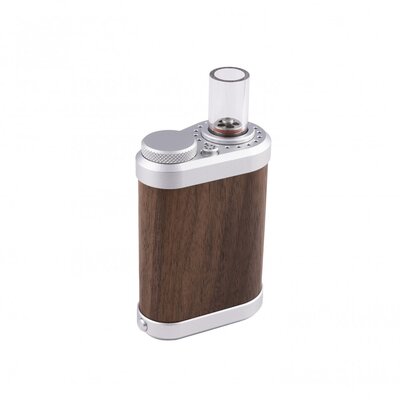
Tinymight Tinymight 2
Hybrid with app temperature profiles, S&B quality
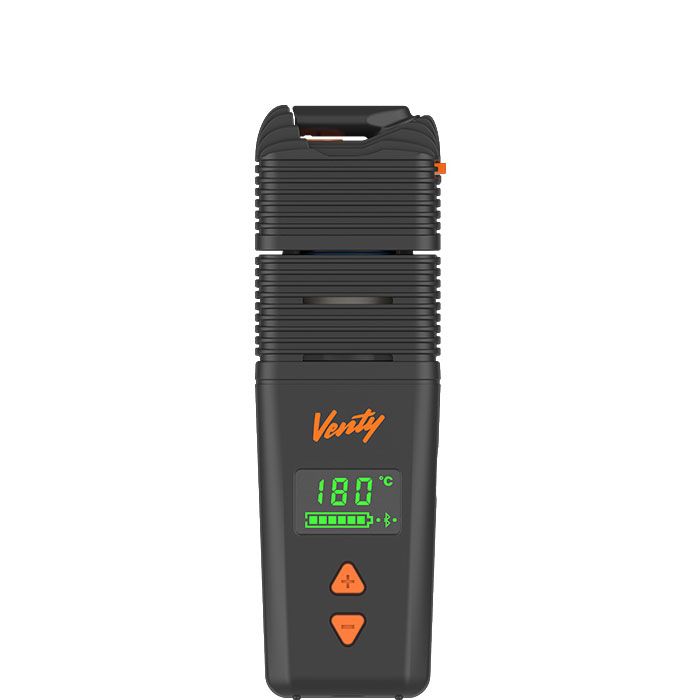
Storz & Bickel Venty
Gold standard for flavor, hybrid heating
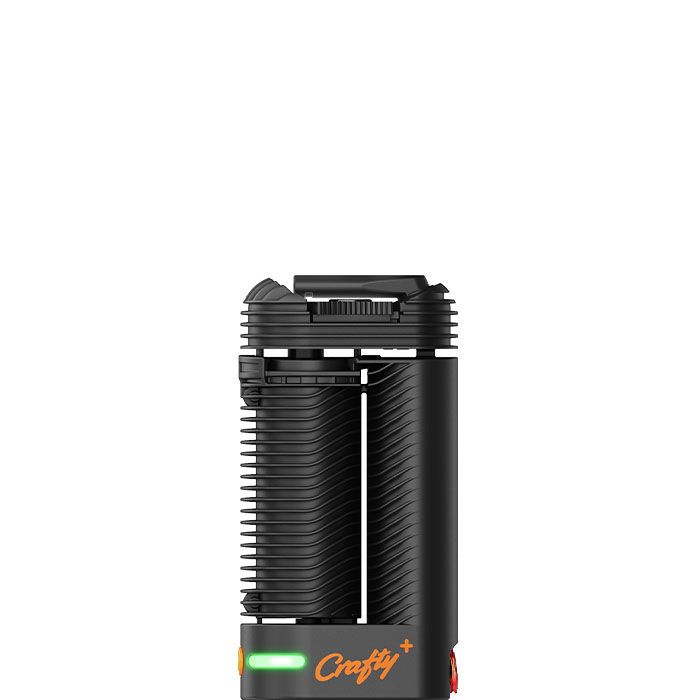
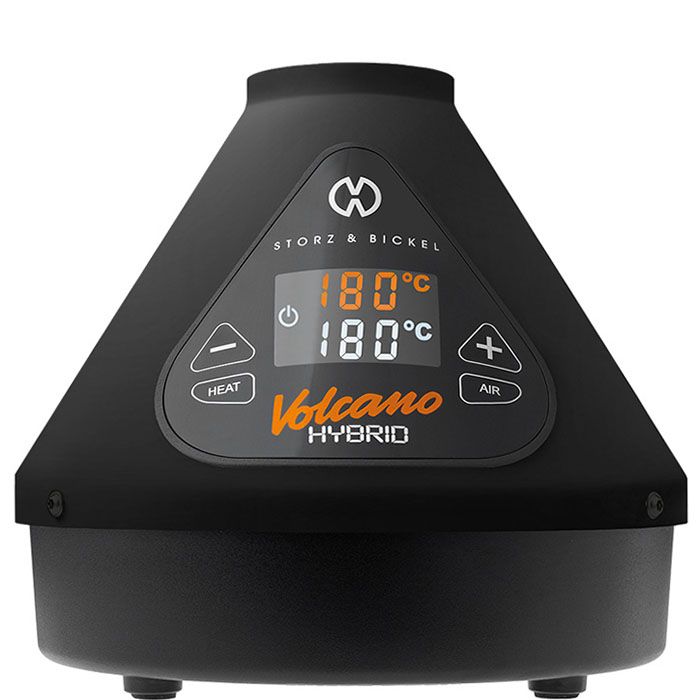
Storz & Bickel Volcano Hybrid
Desktop reference, balloon or whip
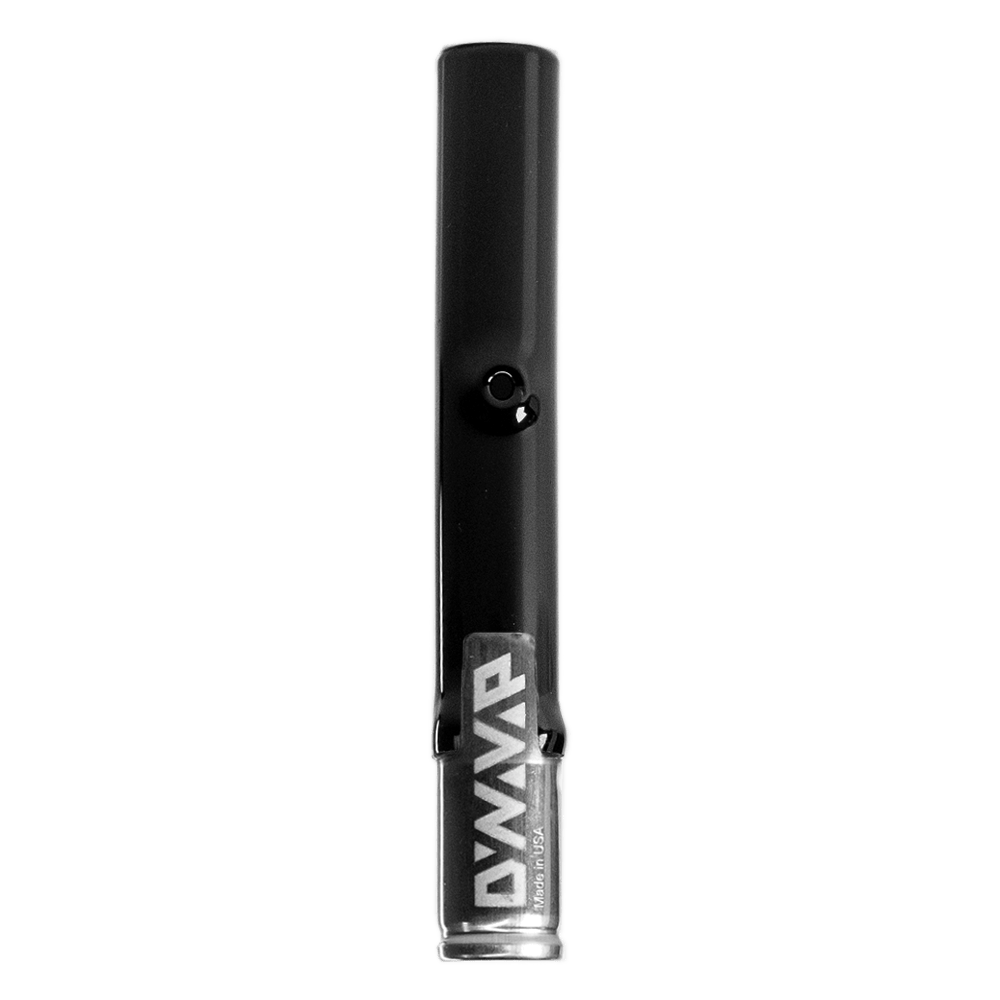
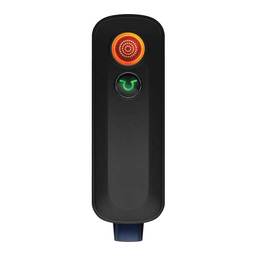
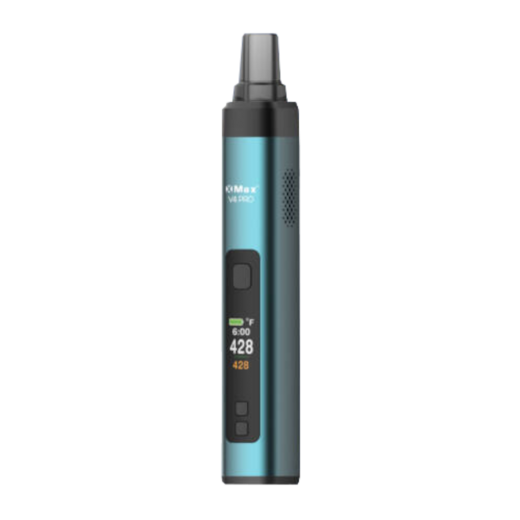
XMAX XMAX V4 Pro
Budget convection with precise temperature
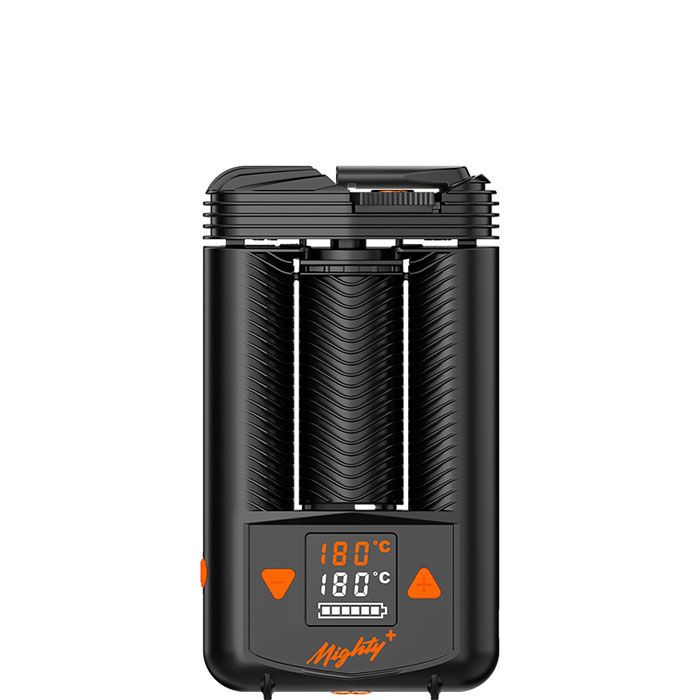
Storz & Bickel Mighty+
Pure glass, clean convection flavor
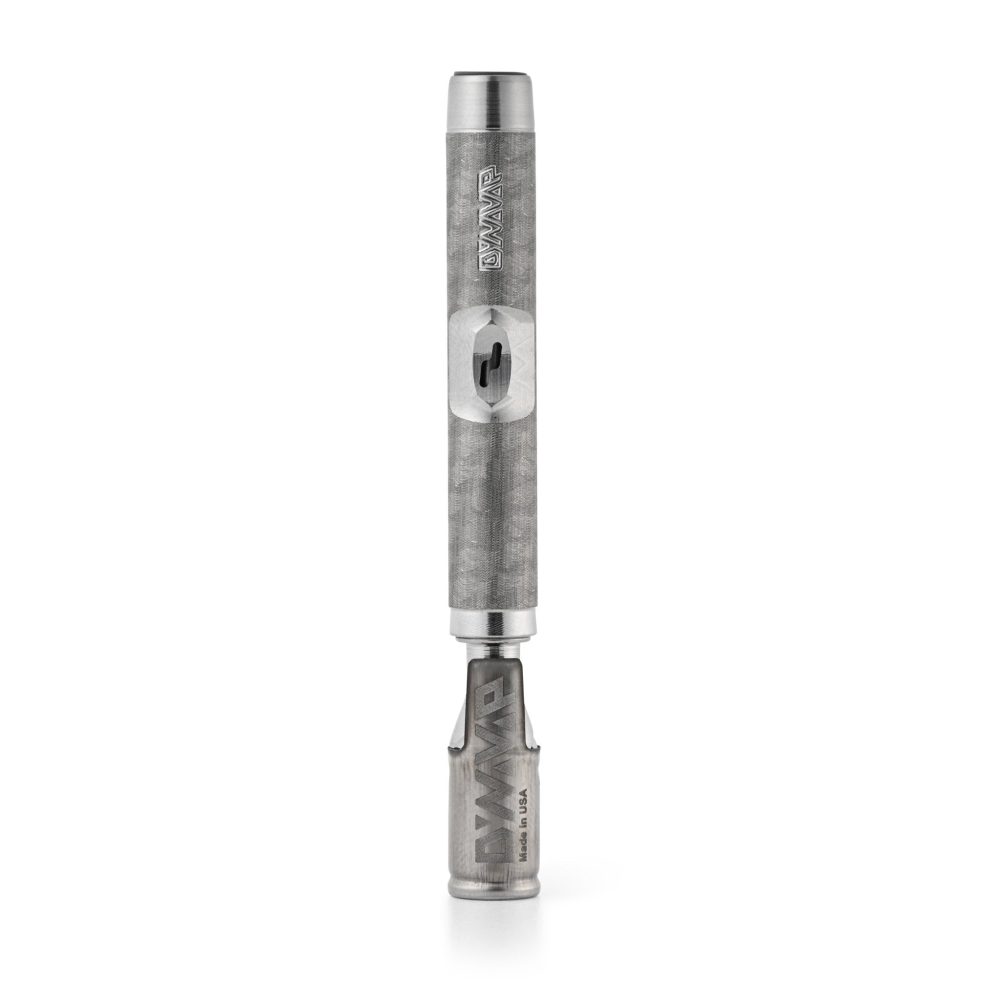
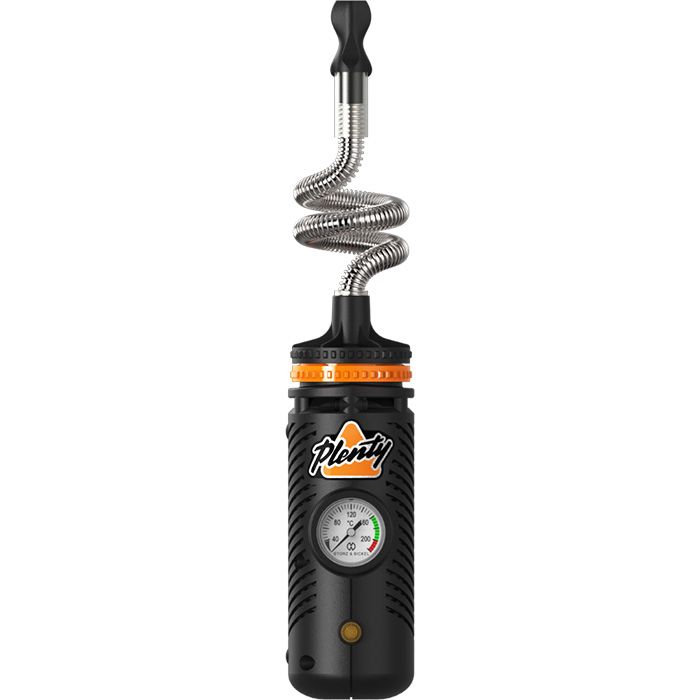
Storz & Bickel Plenty
Butane on-demand, instant terpene vapor
Frequently Asked Questions
Between 170 and 185 degrees Celsius is the aroma peak. In this range, myrcene, limonene and terpinolene are released, delivering the most intense flavor. Start at 160 degrees and increase slowly.
Yes, above approximately 210 degrees most terpenes are already vaporized or destroyed. For pure terpene flavor, stay below 190 degrees. At higher temperatures, cannabinoids dominate the vapor.
Convection has a clear advantage. The even hot-air heating protects terpenes from localized overheating. On-demand convection devices like the Tinymight 2 are considered the most flavorful vaporizers.
The entourage effect describes the synergy between cannabinoids and terpenes. Together they work differently than when isolated individually. A vaporizer that preserves terpenes makes optimal use of this effect.
Yes, especially at low temperatures the vapor is very aromatic. Each strain has its own terpene profile. The first draw at 160-170 degrees is often the most flavorful of the entire session.
Last updated: 03.03.2026