Dry Herb vs. Concentrates: Herbs or Waxes in Your Vaporizer? (2026)
Dry Herb vs. Concentrates: Materials Compared 2026
Dried botanicals or waxes and oils – what your vaporizer handles and what you need
Dry herb (dried plant material) vaporizes at 170-220 C and works with most vaporizers. Concentrates (wax, shatter, rosin, LIVE resin) need higher temperatures (200-280 C) and special chambers or concentrate pads. Many modern devices like the Mighty+ or PAX Plus support both.
What Is Dry Herb Vaping?
Dry herb vaping uses dried and ground plant material packed into the vaporizer chamber. The heater brings the material to 170-220 degrees Celsius, releasing active compounds and terpenes as vapor – without combustion. This is the most common vaping method: roughly 85% of all vaporizers sold are primarily designed for dry material. The flavor is natural and complex because you taste the full terpene profile.
What Are Concentrates?
Concentrates are highly potent extracts from plant material. Common forms: Wax (soft, waxy texture), Shatter (glass-like, breaks easily), Budder (creamy), Rosin (solvent-free pressed) and Live Resin (from flash-frozen material, especially aromatic). Concentrates contain 60-90% active compounds versus 15-25% in dry material. They need higher temperatures (200-280 C) and special inserts like concentrate pads, quartz chambers or dosing capsules.
Head-to-Head: Dry Herb vs. Concentrates
| Feature | Dry Herb | Concentrates |
|---|---|---|
| Material | Ground plant material | Wax, shatter, rosin, live resin |
| Temperature Range | 170-220 °C | 200-280 °C |
| Potency | 15-25% active compounds | 60-90% active compounds |
| Flavor | Natural, full terpene profile | Intense, concentrated aromas |
| Cleaning | Moderate residue | More residue, stickier |
| Material Cost | Cheaper per gram | Pricier, but less needed |
| Device Requirement | Nearly all vaporizers | Special chamber or pads needed |
Which Vaporizer Works With What?
Most portable vaporizers are built primarily for dry herb. But many manufacturers include concentrate pads or special inserts: Storz & Bickel ships drip pads with the Mighty+ and Crafty+, DaVinci has concentrate inserts for the IQ2, and PAX offers the Concentrate Insert for PAX Plus and PAX Mini. Dedicated concentrate vaporizers (dab pens, e-rigs) use quartz or ceramic chambers and reach temperatures above 300 degrees.
Hybrid Devices: Both in One
Some vaporizers are specifically designed for dual use. The Storz & Bickel Mighty+ and Venty use drip pads in dosing capsules – drop concentrate on, insert capsule, done. The DaVinci IQ2 has a removable concentrate insert. Among desktops, the Ditanium stands out: it has a separate quartz hand piece for concentrates alongside the regular herb chamber. The Volcano Hybrid can also vaporize concentrates using dosing capsules and drip pads.
Health Considerations
Both methods are significantly healthier than smoking because no combustion occurs. With dry herb, you inhale a broader spectrum of plant compounds at lower temperatures. With concentrates, the active compound density is higher, meaning you need to inhale less for the same effect. Important: only purchase concentrates from trusted sources. Poorly manufactured extracts can contain solvent residues. Solvent-free methods like rosin pressing are considered the safest option.
Temperature plays a bigger role than most people realize. Dry herb works best between 170 and 210 degrees Celsius – enough to release terpenes and active compounds gently. Concentrates need more heat, usually 200 to 260 degrees. Waxes have a higher melting point and only vaporize properly at those temperatures. The hotter vapor is denser and warmer, which can irritate your throat and lungs more. If you are sensitive, start low with concentrates and increase gradually. Devices with precise temperature control, like the Mighty+ or Venty, make this much easier to manage.
Top 10: Best Vaporizers for Dry Herb & Concentrates 2026
Our selection of the most versatile vaporizers that handle both herbs and concentrates – with live prices.
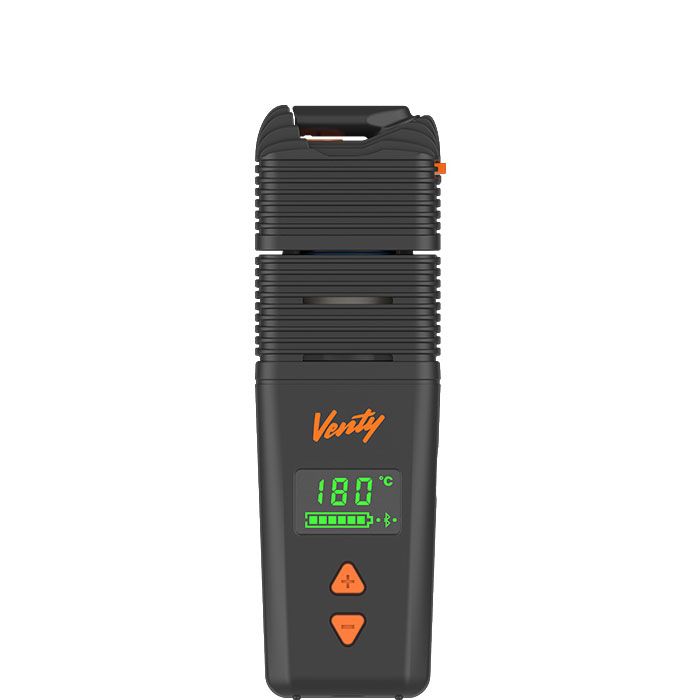
Storz & Bickel Venty
Premium hybrid, dosing capsules for concentrates
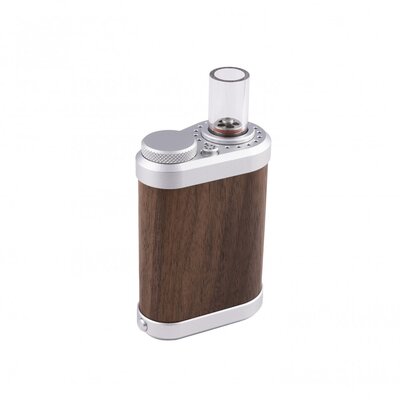
Tinymight Tinymight 2
Pure convection, on-demand with dual use
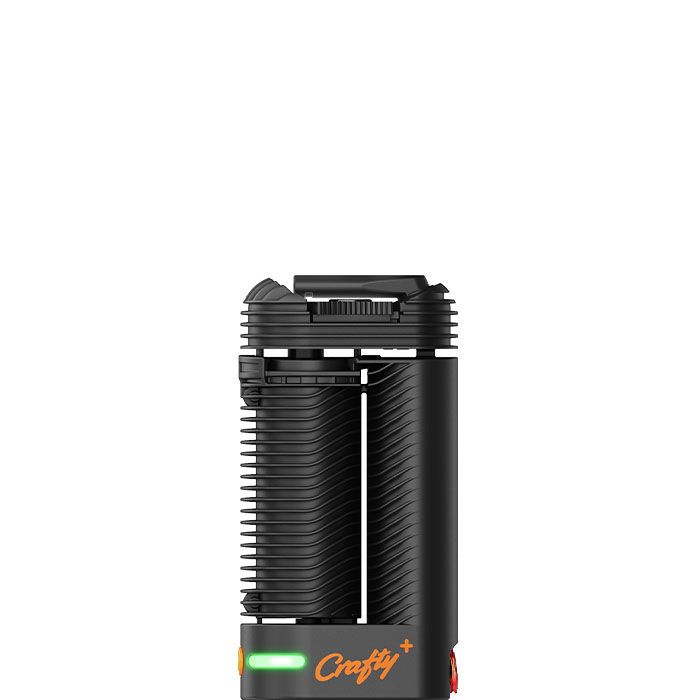
Storz & Bickel Crafty+
Desktop reference, drip pads for extracts
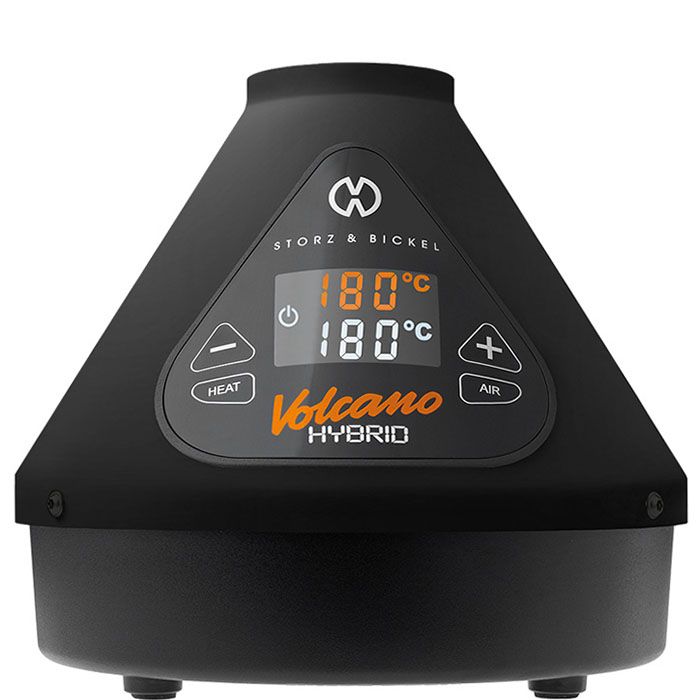
Storz & Bickel Volcano Hybrid
Compact allrounder, concentrate insert
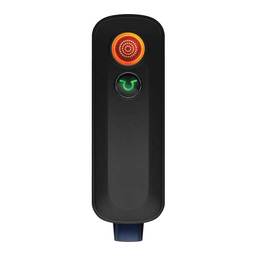
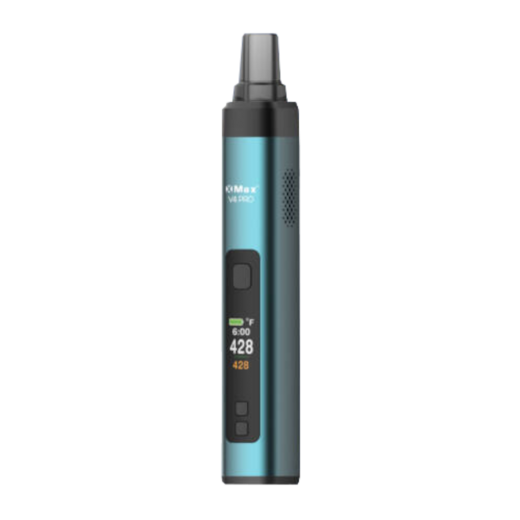
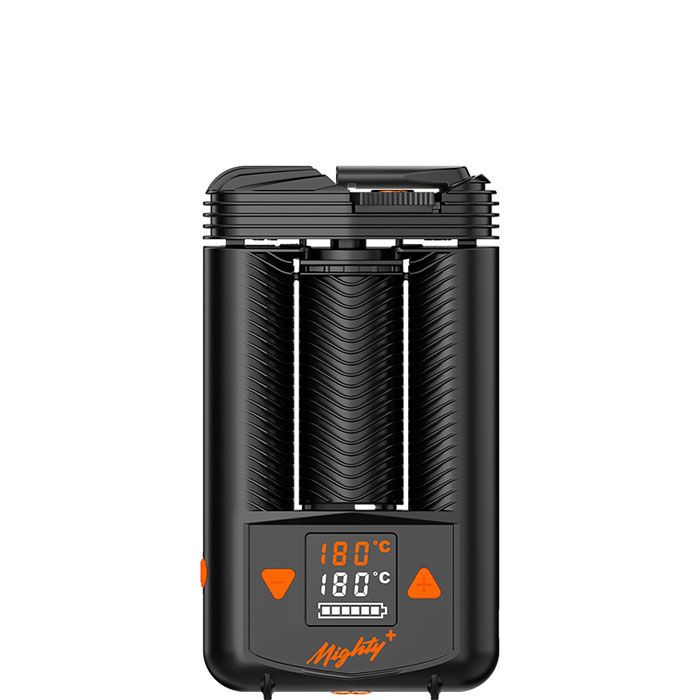
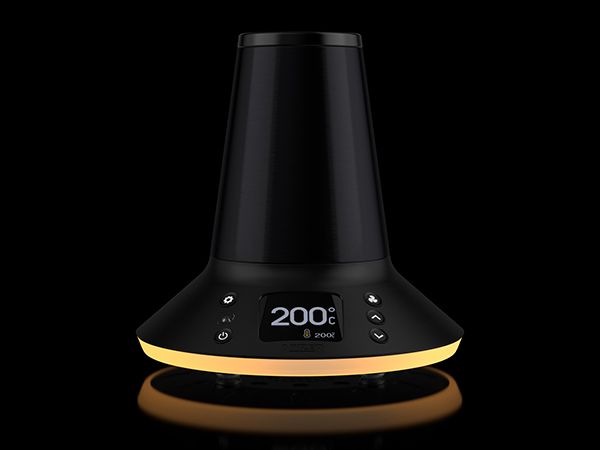
Arizer XQ2
Precise temperature control, IQ2 concentrate insert
Who Should Choose What?
The Purist
You love the natural, unaltered flavor of the plant? Stick with dry herb. The Tinymight 2 and Storz & Bickel Venty deliver the purest taste experience. Start at 175 C and work your way up.
The Power User
You want maximum effect per draw? Concentrates are your thing. With the PAX Plus and Concentrate Insert or a dedicated dab pen, you get more from 0.05 g than a full herb chamber.
The Connoisseur
You like switching between materials? Get a dual-use device. The Mighty+ with dosing capsules makes switching effortless – herb capsule out, concentrate capsule in, no mess.
The Beginner
Start with a dry herb vaporizer and try concentrates later. The DaVinci IQ2 or PAX Plus grow with your needs – both have optional concentrate inserts you can buy separately.
Frequently Asked Questions
No. Without a concentrate pad or special insert, the material melts into the chamber and damages the vaporizer. Always check the manufacturer specifications.
Most concentrates vaporize best at 200-260 C. Wax and budder around 200-230, shatter at 230-260. Live resin tastes best at 180-220 C.
Yes, significantly. Concentrates contain 60-90% active compounds versus 15-25% in dry material. A single draw from concentrate often equals 3-5 draws from dry herb.
A small stainless steel fiber pad placed in the chamber. You drip concentrate onto it – it absorbs the material and prevents it from running into the heater. Storz & Bickel calls them drip pads.
Yes. Concentrates are sticky and leave oily residue. Clean the chamber after every session with isopropyl alcohol. With dry herb, weekly cleaning is often enough.
If you regularly use concentrates, yes. Dab pens and e-rigs are optimized for this – they heat faster, reach higher temperatures and are easier to clean than dual-use devices.
Rosin is pressed from plant material using heat and pressure without solvents. No butane, no CO2, no chemical residues. You can even make rosin at home with a hair straightener.
Yes, start with tiny amounts (rice-grain sized portion on the concentrate pad). Concentrates are much more potent – ease into it gradually.
Last updated: 03.03.2026