Decarboxylation with a Vaporizer: Temperatures, Compounds & Top 10 (2026)
Decarboxylation in Vaporizers: Temperature, Effects & Best Devices
How your vaporizer activates compounds - and why temperature makes all the difference
Decarboxylation is the chemical process that converts THCA to THC and CBDA to CBD. Without decarboxylation, plant material remains inactive. A vaporizer handles this automatically: it heats material to 157-230 °C and selectively activates specific compounds. Devices with precise temperature control give you full command over this process.
What Is Decarboxylation?
Decarboxylation is a chemical reaction where a carboxyl group (COOH) is removed through heat. In practice: THCA loses a CO2 molecule and becomes THC, CBDA becomes CBD. Raw plant material contains almost exclusively the acidic precursors (THCA, CBDA) - only heat produces the active forms. Smoking does this uncontrollably at 600-900 °C. A vaporizer is more precise: between 157 and 230 °C, without combustion.
Activation temperatures: THC from 157 °C, CBD from 170 °C, terpenes from 130 °C
Why Vaporizers Are Ideal for Decarboxylation
Precise Temperature Control
Modern vaporizers control temperature to within 1 °C. You decide exactly which compounds are activated - THC-focused at 157-180 °C, CBD-focused at 170-200 °C, or full extraction at 200-230 °C.
No Combustion
Smoking destroys many compounds through extreme heat (600-900 °C). A vaporizer stays below 230 °C - so cannabinoids and terpenes are activated, not burned.
Stepwise Extraction
You can start at 160 °C and raise the temperature gradually. This lets you enjoy the lighter terpenes and cannabinoids first, before releasing heavier compounds at higher temperatures.
ABV as a Byproduct
Already Vaped Bud (ABV) is already decarboxylated and can be repurposed - for edibles or capsules, for example. This gives you more value from your material than smoking ever could.
Temperature Ranges: What Happens at Each Level?
Low Temperatures: 157-180 °C
This range primarily activates THC (boiling point: 157 °C). The terpenes pinene (155 °C) and myrcene (168 °C) are also released. Vapor is light, flavor is intense, and the effect tends to be cerebral and clear. A good choice for daytime use and microdosing.
Medium Temperatures: 180-200 °C
Here, CBD (boiling point: 170 °C) and CBN are additionally activated. The terpenes limonene (176 °C) and linalool (198 °C) come to the fore. The effect becomes more physical, the vapor denser. Most users find their preferred setting in this range.
High Temperatures: 200-230 °C
Maximum extraction: THCV (220 °C), humulene (198 °C) and the remaining terpenes are released. Vapor is very dense and the effect strongly physical. Above 230 °C, the risk of combustion byproducts increases - so this limit should not be exceeded.
Heating System and Decarboxylation
The heating system affects how evenly decarboxylation occurs. Convection devices pass hot air through the material - heat distribution is even and decarboxylation is thorough. Conduction devices heat the chamber walls, meaning material at the edges gets hotter than the center. Hybrid systems combine both methods.
Convection (e.g. Mighty+, Tinymight-2/" class="vc-product-autolink">Tinymight 2) provides the most even decarboxylation - material is heated from all sides simultaneously.
Conduction (e.g. PAX, DaVinci) requires occasional stirring. Hybrid devices (e.g. Venty, Volcano) combine efficiency and evenness.
Session vs. On-Demand: Impact on Extraction
Session devices maintain a constant temperature over several minutes. This gives the material time to fully decarboxylate - ideal for maximum extraction. On-demand devices only heat when you draw, better suited for controlled, stepwise extraction. For maximum yield from your material, a session device is the better choice. For flavor and a graduated experience, go with on-demand.
Temperature Table: Key Boiling Points
| Compound | Boiling Point | Effect | Recommended Temp |
|---|---|---|---|
| THC | 157 °C | Psychoactive, euphoric | 170-185 °C |
| CBD | 170 °C | Relaxing, anti-inflammatory | 180-200 °C |
| CBN | 185 °C | Sedative, sleep-promoting | 190-210 °C |
| Myrcene (terpene) | 168 °C | Calming, analgesic | 170-185 °C |
| Limonene (terpene) | 176 °C | Mood-lifting, antifungal | 180-195 °C |
Top 10: Best Vaporizers for Decarboxylation 2026
Our editorially curated selection of the best vaporizers for precise decarboxylation - with LIVE prices from our comparison.
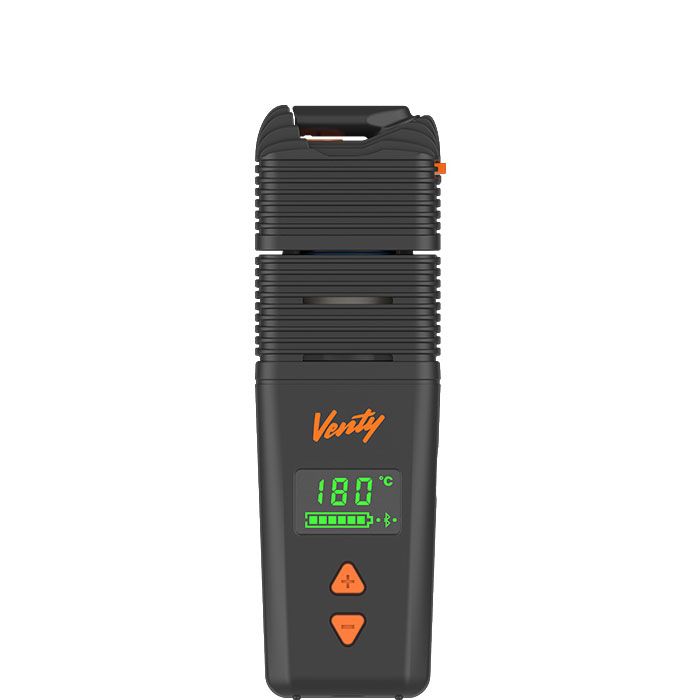
Storz & Bickel Venty
Hybrid heating, 1 °C steps, app control
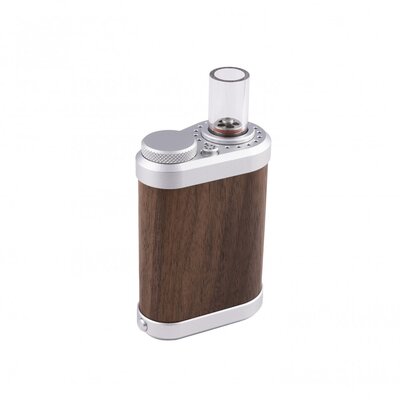
Tinymight Tinymight 2
On-demand convection, even extraction
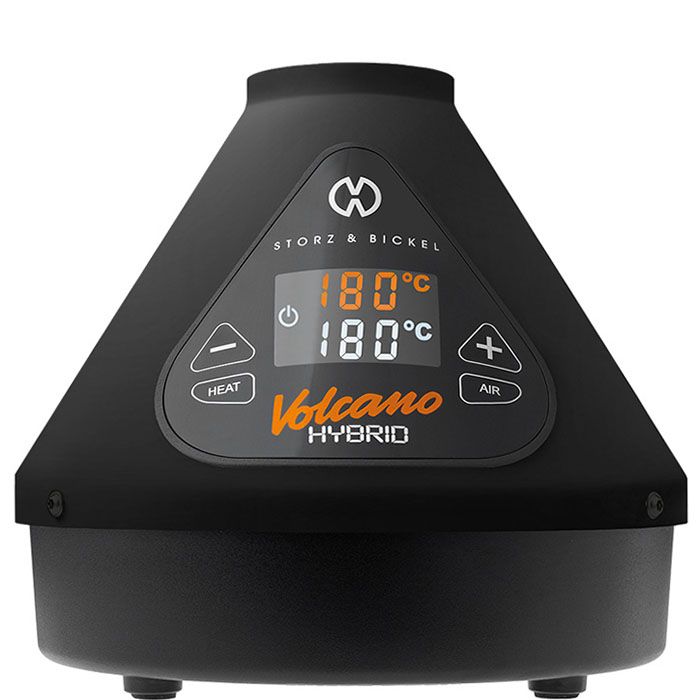
Storz & Bickel Volcano Hybrid
Balloon + whip, most stable temperature
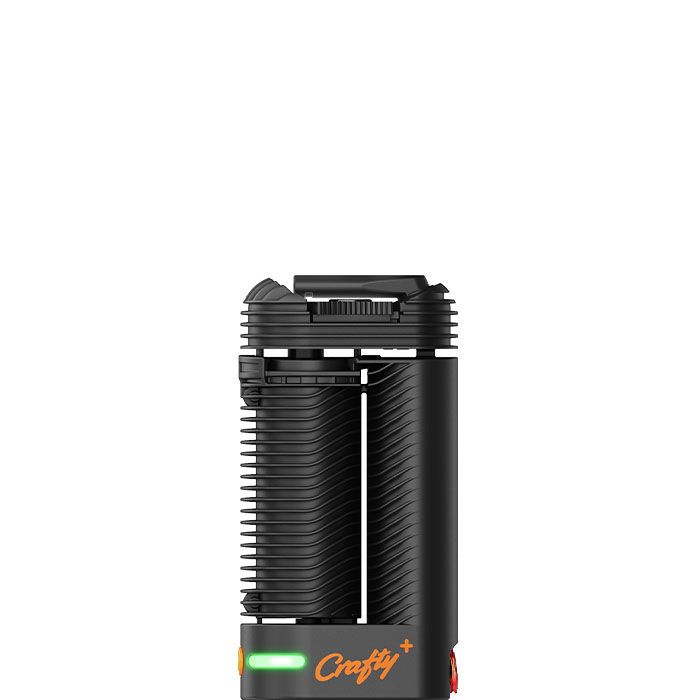
Storz & Bickel Crafty+
Convection+conduction, Super Boost to 230 °C
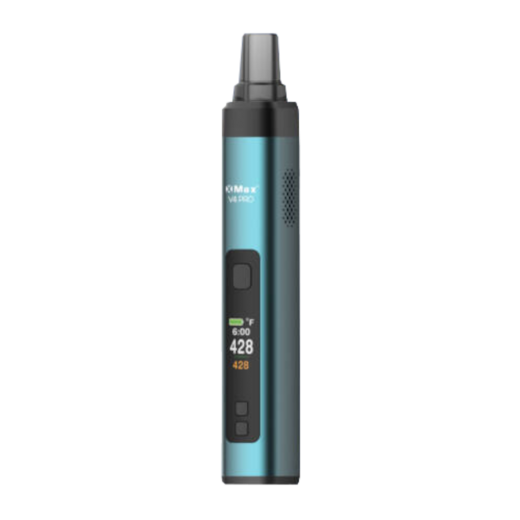
XMAX XMAX V4 Pro
Budget pick, 1 °C steps, glass mouthpiece
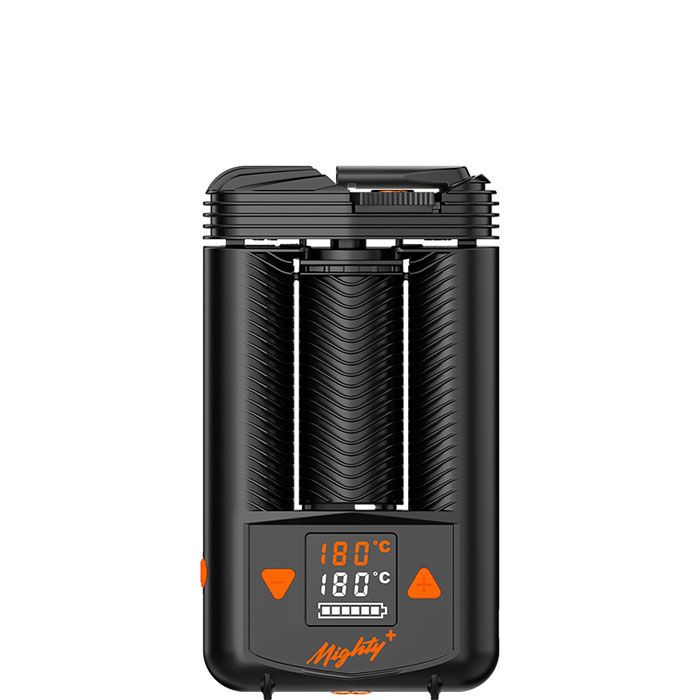
Storz & Bickel Mighty+
Compact, hybrid heating, dosing capsules
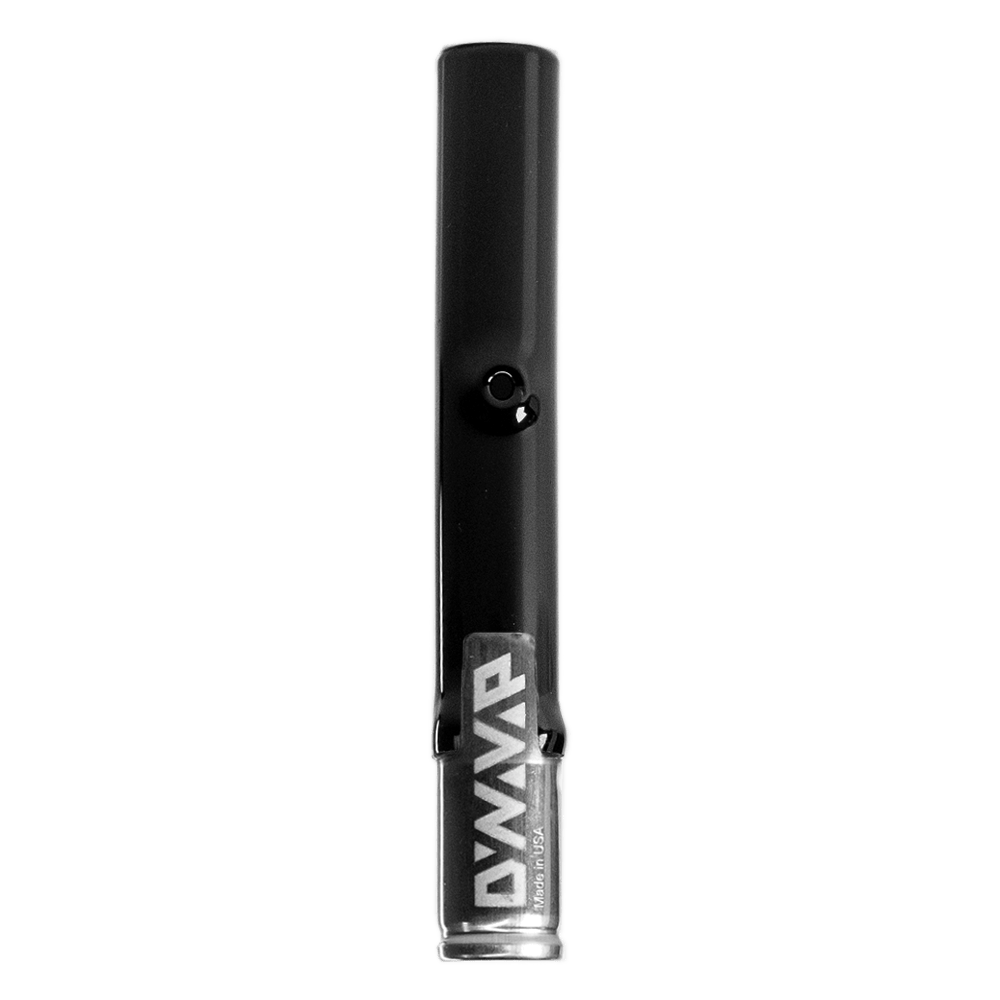
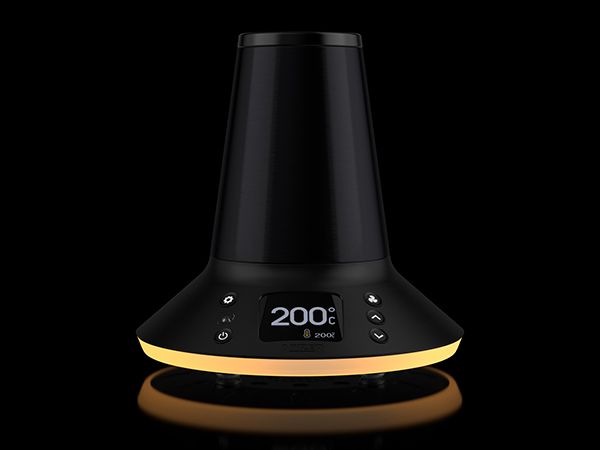
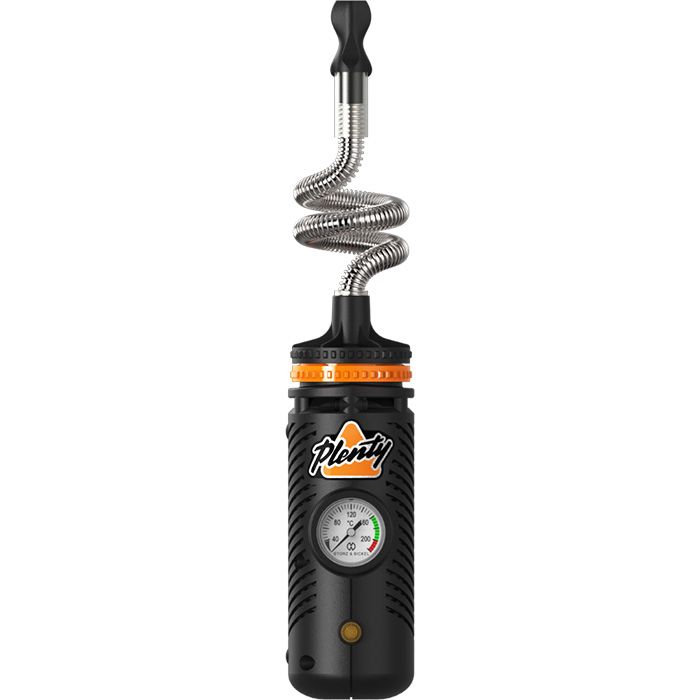
Storz & Bickel Plenty
Stainless steel cooling coil, full chamber
Frequently Asked Questions
THCA starts to slowly decarboxylate from about 105 °C, but the boiling point of THC is 157 °C. For efficient extraction in a vaporizer, at least 170 °C is recommended. At lower temperatures, decarboxylation is too slow for a vaporizer session.
Yes. ABV is already decarboxylated and still contains residual cannabinoids - typically 10-30% of the original content. You can eat ABV directly, dissolve it in fat (butter, coconut oil) or fill it into capsules. The darker the ABV, the less active compound remains.
Convection delivers the most even decarboxylation because hot air flows through the material from all sides. The Mighty+, Tinymight 2 and Volcano Hybrid are the reference devices here. With conduction vaporizers, occasional stirring helps.
Decarboxylation occurs at 105-230 °C and activates compounds without destroying them. Combustion begins at roughly 230-250 °C and produces smoke, tar and carbon monoxide. A vaporizer stays in the decarboxylation range - a joint burns at 600-900 °C.
A medium grind is ideal. Too finely ground material can block airflow (especially in convection devices), too coarse leaves gaps that are not heated evenly. A standard grinder with 2-3 turns delivers good results.
Last updated: 03.03.2026