Convection vs. Conduction Vaporizers — Which Heating Method Wins?
- Conduction (contact heat) – fast heatup, simple operation, cheaper. Examples: PAX Mini, DaVinci IQ3.
- Convection (hot air) – more even extraction, better flavor. Examples: Arizer XQ2, Sticky Brick Junior.
- Hybrid (both combined) – best of both worlds. Examples: Mighty+, Venty.
- Session vs. On-Demand
- Temperature Guide
- Desktop vs. Portable
- Top 10 Buying Guide 2026
- Beginner Guide
- Convection vs. Conduction
- Glossary A-Z
- Battery & Runtime
What Is Conduction?
Think of a stove top. You put the pan on it, the pan gets hot, food cooks. That is exactly how conduction works in a vaporizer: the material sits directly on or against a heated surface. Heat transfers through contact.
In practice, the chamber wall gets electrically heated and passes warmth to your material. The stuff right against the wall heats first, the center takes longer. That is why you should stir pure conduction devices once in a while – or give the chamber a quick shake between draws.
Typical Conduction Vaporizers
- PAX Mini – ultra-compact, one button, 22 seconds to heat. The gateway into vaporizing.
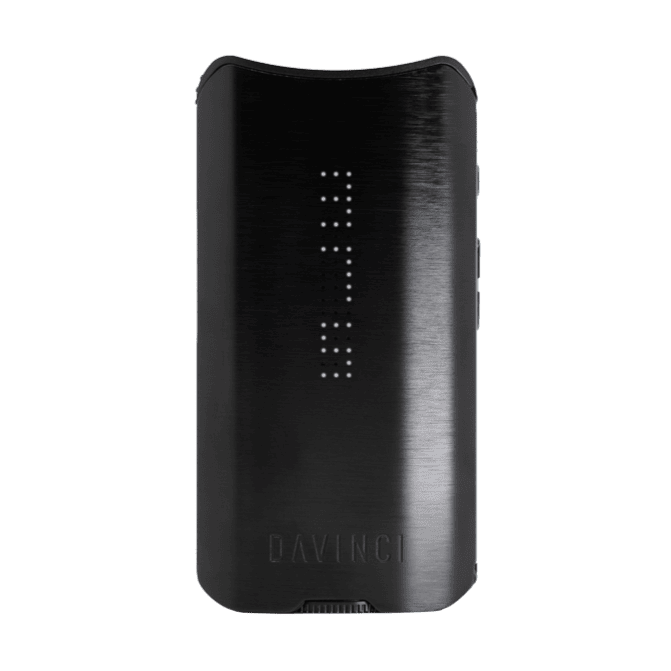
- DaVinci IQ3 – precise temperature control, replaceable battery, premium design.
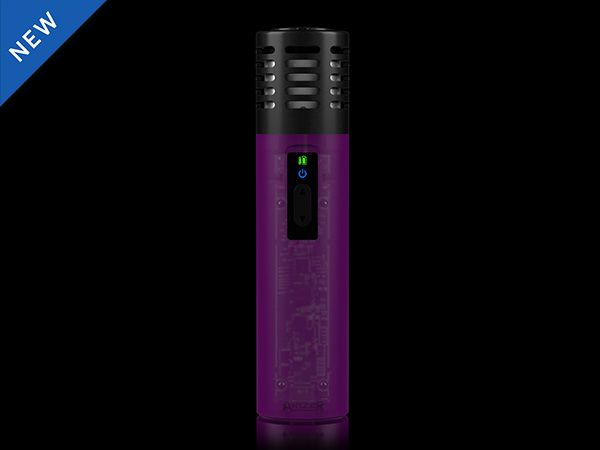
- Arizer Air SE – convection-dominant but shows how the line between methods blurs.
Pros of Conduction
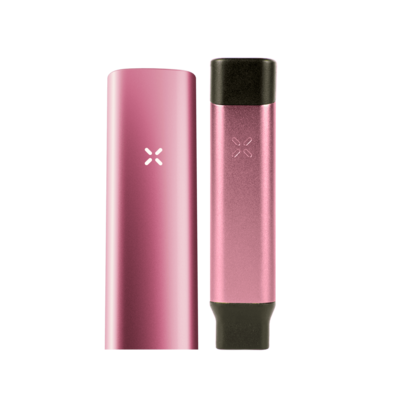
- Fast heatup: 15-30 seconds is standard. The PAX Mini does it in 22 seconds.
- Simple operation: Turn on, wait, draw. No technique needed.
- Compact devices: Fewer parts, so often smaller and lighter.
- Lower entry price: Many conduction devices start at 55-80 €.
Cons of Conduction
- Uneven extraction: Material near the wall heats more than the center.
- Stirring needed: For even results, stir after a few draws.
- Flavor drops off: First draws taste great, then flavor fades faster than with convection.
- Hot spots possible: Some areas get too hot while others barely heat.
What Is Convection?
Now imagine a fan oven. No contact surface – hot air surrounds the food from all sides. Same thing in a vaporizer: a heating element warms the air, and that hot air flows through the material. Usually only when you draw.
The material never touches a hot surface directly. Instead, hot air passes through it evenly. Takes a bit longer, but delivers a different experience: fuller flavor, more even extraction, less waste.
Typical Convection Vaporizers
- Arizer XQ2 – desktop convection with bag and whip option. Pure glass flavor path.
- Volcano Classic – the godfather of all desktop vaporizers. Pure convection since 2000.
- Sticky Brick Junior – butane convection. The flame heats only the air, not the material.
Pros of Convection
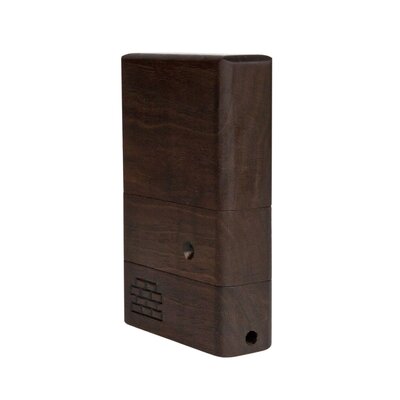
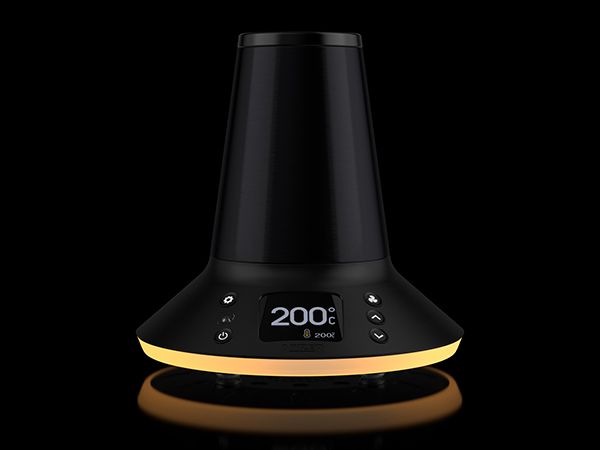
- Even extraction: Hot air reaches all material at once. No stirring needed.
- Better flavor: No scorching on hot surfaces. Flavor stays stable longer.
- On-demand possible: Many convection devices heat only when you draw – one hit, pause, next hit. No wasted material.
- More efficient: Material gets consumed more evenly.
Cons of Convection
- Longer heatup: 30-90 seconds is typical. Air needs to warm up first.
- Often larger devices: More room needed for the air path. Desktop devices dominate here.
- Higher prices: The tech is more complex, and that shows in the price tag.
- Draw technique matters: Slow, steady draws work better than short, hard pulls.
Hybrid Heating — Best of Both Worlds?
Most modern top-tier vaporizers use hybrid heating. The idea: the chamber wall heats material from outside (conduction) while hot air flows through it simultaneously (convection). Result: fast heatup AND even extraction.
Storz & Bickel perfected the hybrid approach. Nearly every device they make – from the Crafty+ to the Volcano Hybrid – uses hybrid heating. Why? Because the downsides of each single method cancel each other out.
Typical Hybrid Vaporizers
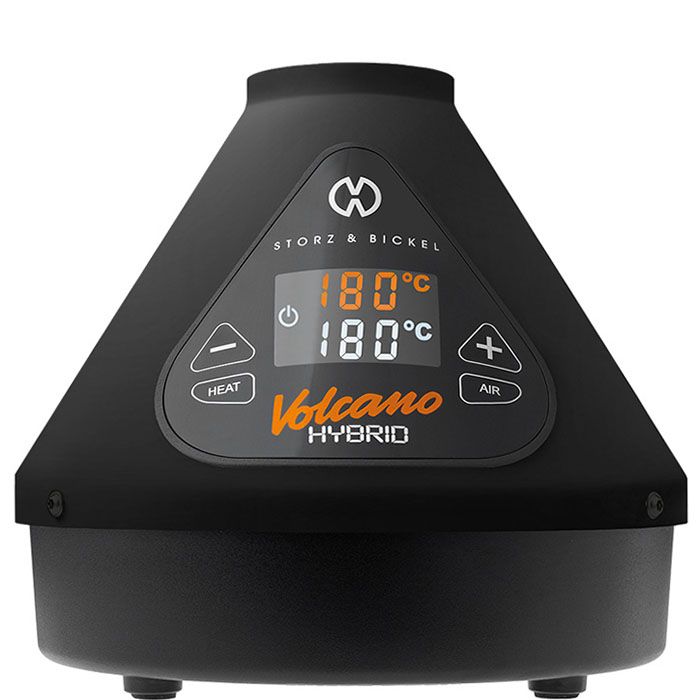
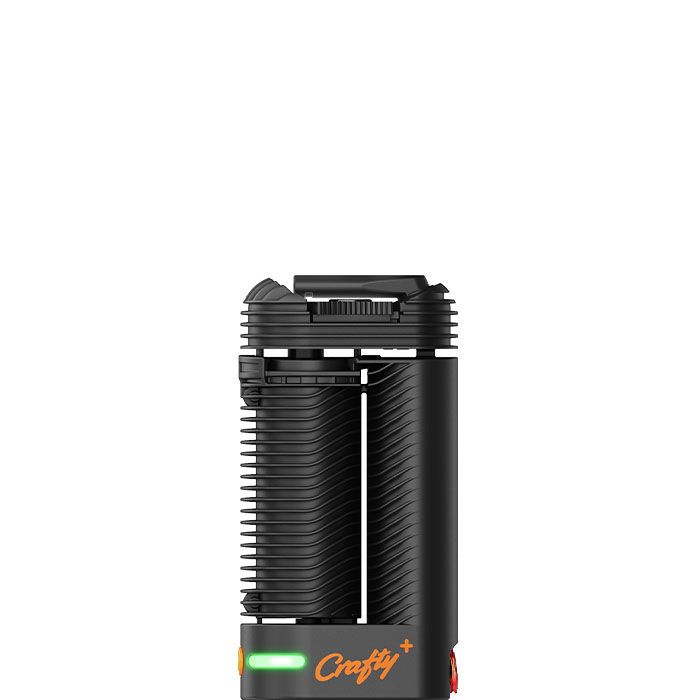
- Mighty+ – the world’s best-selling portable vaporizer. Hybrid, 2×2600 mAh, display.
- Venty – flagship with best airflow, 20s heatup, app control.
- Crafty+ – compact, 3300 mAh, app, dosing capsules. From ~189 €.
- Volcano Hybrid – desktop reference. Bag or whip, precise temperature.
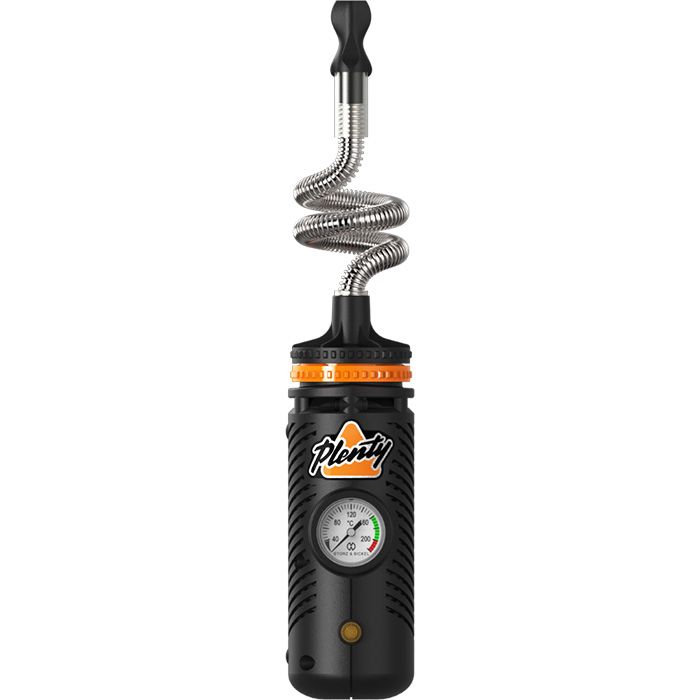
- Plenty – the handheld powerhouse. Huge chamber, coiled cable, pure enjoyment.
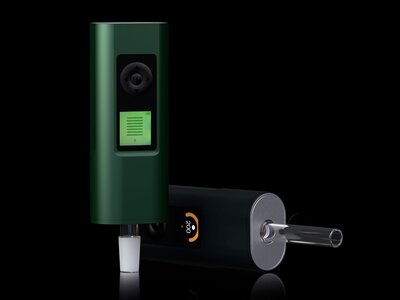
Why does Storz & Bickel build almost exclusively hybrid? Because it is the most flexible method. You get fast heatup (conduction part) and even flavor (convection part) in one device. Other makers are following – the Arizer Solo 3 V2 is also a hybrid.
Comparison Table: Conduction vs. Convection vs. Hybrid
| Criterion | Conduction | Convection | Hybrid |
|---|---|---|---|
| Heat-up time | 15-30 s | 30-90 s | 20-60 s |
| Flavor | Good, fades over time | Very good, even | Very good |
| Evenness | Medium (stirring needed) | High | High |
| Price range | From ~55 € | From ~80 € | From ~179 € |
| Device size | Compact | Often larger | Medium to large |
| Learning curve | Low | Medium | Low |
| Example devices | PAX Mini, DaVinci IQ3 | Arizer XQ2, Sticky Brick | Mighty+, Venty, Volcano Hybrid |
Typical values. Individual devices may vary. Check the price comparison for current prices.
Which Heating Method Suits You?
There is no universally “best” heating method. It depends on what you want:
- Beginners: Go with conduction (PAX Mini, Arizer Air SE) or straight to hybrid (Crafty+). Just turn on and go.
- Flavor chasers: Convection delivers the purest, cleanest taste. Arizer XQ2 for desktop, Sticky Brick Junior for on-demand.
- On the go: Hybrid is ideal. Venty or Mighty+ – fast heatup, even vapor, built tough.
- At home: Convection desktop like the Volcano Hybrid or Arizer XQ2. Heatup time barely matters here.
- Budget: Conduction starts cheapest. PAX Mini from ~79 €, Arizer Air SE from ~55 €.
Butane & Flame — The Third Option
Besides electric vaporizers, there is a whole category powered by gas flame.
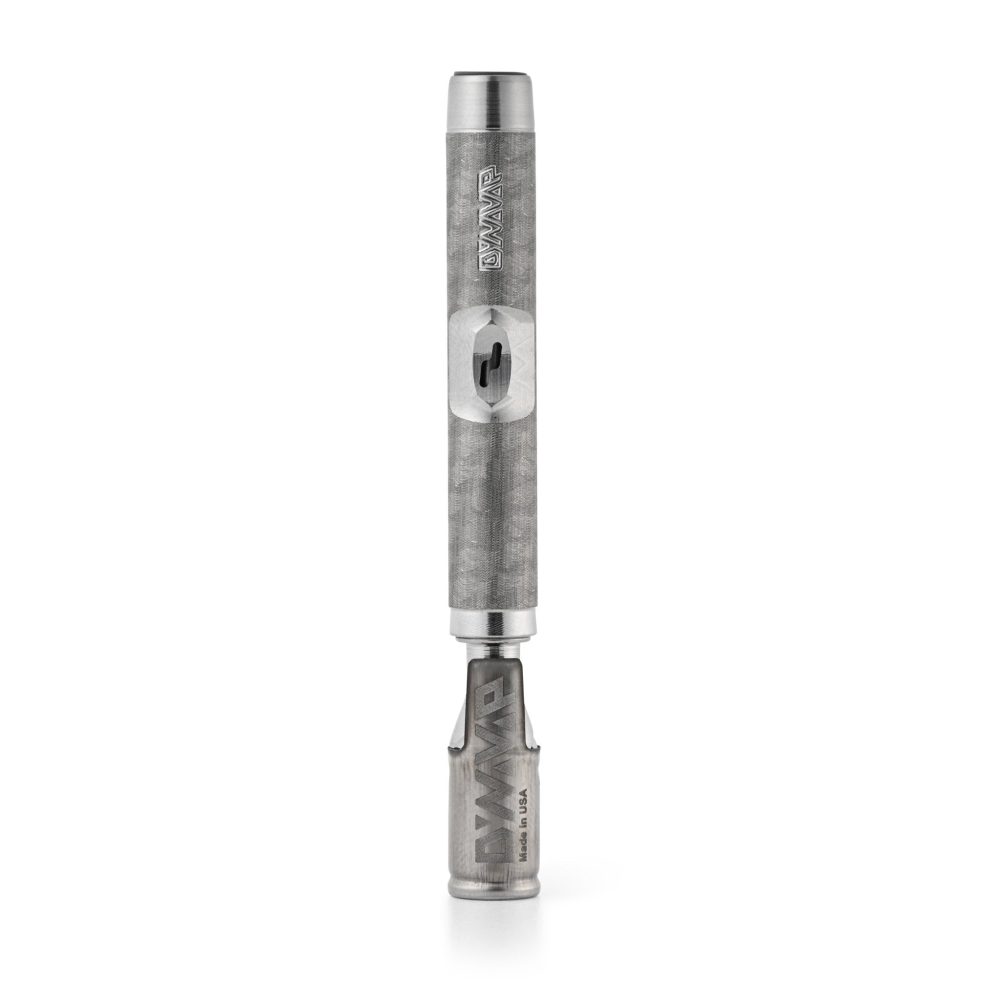
The DynaVap M7 uses hybrid heating: the stainless steel tip is heated with a jet lighter (conduction) while air flows through the material when you draw (convection). Result: surprisingly great flavor for ~62 €.
The Sticky Brick Junior takes a different route: pure convection via flame. You heat the air with the lighter, it flows through the material. The material never gets touched directly. Steeper learning curve, but the flavor is phenomenal.
More on that in our butane vaporizer guide.
Frequently Asked Questions
Is convection or conduction better for beginners?
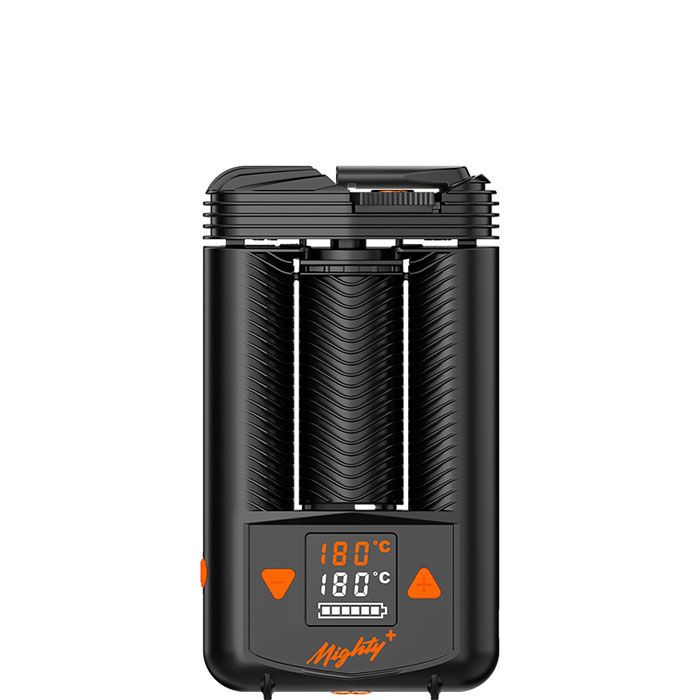
For beginners, conduction is easiest: turn on, wait, vape. Devices like the PAX Mini or DaVinci IQ3 have zero learning curve. If you want even more convenience, go for a hybrid like the Mighty+ – it combines simple operation with top flavor.
Why does convection taste better than conduction?
With convection, hot air flows evenly through the material. There is no direct contact with a hot surface, so no scorching at the edges. The result: cleaner, fuller flavor throughout the session. Conduction can do well too – but you need to stir more often.
What is hybrid heating in a vaporizer?
Hybrid combines conduction (contact heat) and convection (hot air). The chamber heats the material from outside while air flows through the load. Storz & Bickel uses hybrid in nearly all devices (Mighty+, Venty, Crafty+, Volcano Hybrid). Result: fast heatup plus even extraction.
Which hybrid vaporizer is the best?
The Venty is considered the best portable hybrid (20s heatup, app, best airflow). For desktop, the Volcano Hybrid is the reference. Best value: Crafty+ from ~189 €.
Are butane vaporizers convection or conduction?
It depends on the device. The DynaVap M7 uses hybrid (the tip heats by contact, air flows through). Sticky Brick devices are pure convection – the flame heats only the air, not the material. Both deliver excellent flavor.
Bottom Line
Conduction is simple, fast and affordable – great for beginners and on-the-go use. Convection delivers the best flavor and the most even extraction – ideal for flavor enthusiasts and desktop fans. Hybrid combines both and has become the standard for premium devices.
Our recommendation for most users: a hybrid device like the Crafty+ (from ~189 €) or the Venty (from ~285 €). Can’t go wrong. If you want to save, start with a PAX Mini (from ~79 €) and upgrade later.
All prices live from 68 shops across 23 countries.