Conduction vs. Convection Vaporizer: Complete Guide 2026
Conduction vs. Convection: Heating Methods Compared 2026
Contact heat or hot air – how your vaporizer heats makes the difference
Conduction vaporizers heat material through direct contact with a hot surface – fast, simple, affordable. Convection vaporizers use hot air flowing through the material – purer flavor, even extraction, but often pricier and slower.
What Is Conduction?
Conduction vaporizers work like a frying pan: the chamber itself gets hot and transfers heat directly to the material. Heating begins immediately after powering on. Advantage: fast heat-up (often under 30 seconds), simple technology, lower price. Disadvantage: material near the chamber walls heats more than the center – stirring between draws improves extraction.
What Is Convection?
Convection vaporizers work like a hot air dryer: heated air flows through the material and vaporizes active compounds evenly. Material only heats when air passes through – either by drawing (on-demand) or via an internal fan (session). Flavor is purer and lasts longer.
Head-to-Head: Conduction vs. Convection
| Feature | Conduction | Convection |
|---|---|---|
| Heating Method | Contact heat | Hot air |
| Heat-up Time | 10-30 seconds | 20-60 seconds |
| Flavor | Good, fades faster | Excellent, lasts long |
| Evenness | Edges heat more than center | Very even |
| Efficiency | Good with proper technique | Very high |
| Ease of Use | Very easy | May require practice |
| Maintenance | More frequent cleaning needed | Less residue buildup |
| Entry Price | From ~30 EUR | From ~80 EUR |
| Best For | Beginners, on-the-go, budget | Flavor, efficiency, connoisseurs |
Hybrid Heating: Best of Both Worlds
Many modern vaporizers combine conduction and convection. The chamber preheats (conduction), then hot air flows through the material (convection). The result: fast heat-up with even extraction. Popular hybrids include the Storz & Bickel Mighty+, Venty, Arizer models and the DaVinci IQ2.
With hybrid heating, conduction warmth ensures the material starts producing vapor within 10-15 seconds. Convection air then handles even extraction of deeper layers. In practice: less stirring needed, more uniform extraction, and your ABV comes out an even brown rather than dark outside and green inside. Most devices in the 150-300 EUR range now use hybrid heating.
Temperature & Extraction
With conduction, the temperature at the chamber walls is higher than in the center. This can cause slight charring at high temperatures (above 210 C). Convection vaporizers distribute heat more evenly – the set temperature more closely matches the actual material temperature. For terpenes (flavor), low temperatures (175-190 C) are ideal, for maximum extraction higher settings (200-220 C).
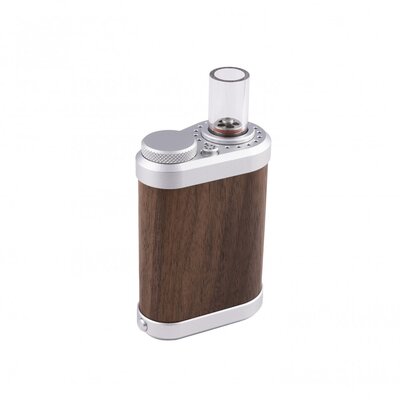
A practical approach is temperature stepping: Start at 170-175 C for the first 3-4 draws (best terpene flavor). Increase to 185-195 C for the middle draws and finish at 200-210 C for maximum extraction. With convection devices like the Tinymight-2/" class="vc-product-autolink">Tinymight 2, flavor stays noticeable throughout. With conduction, flavor drops off faster after the first third as the chamber walls roast the material more aggressively.
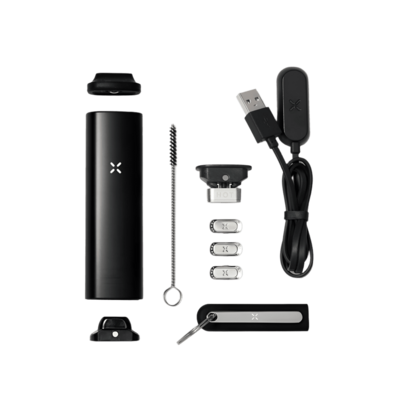
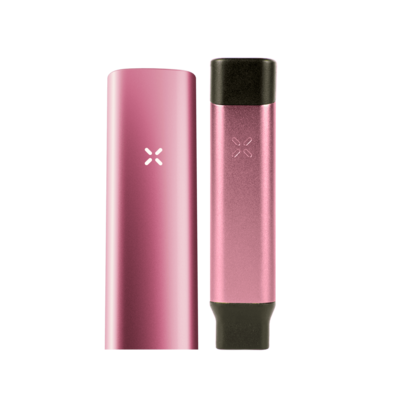
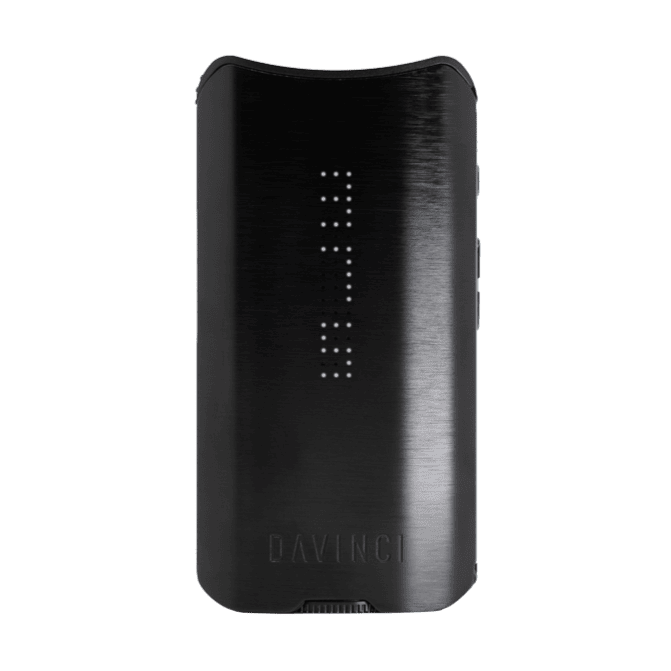
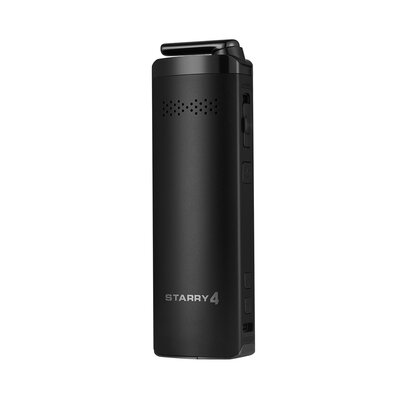
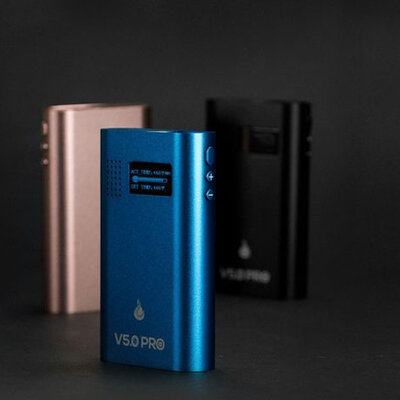
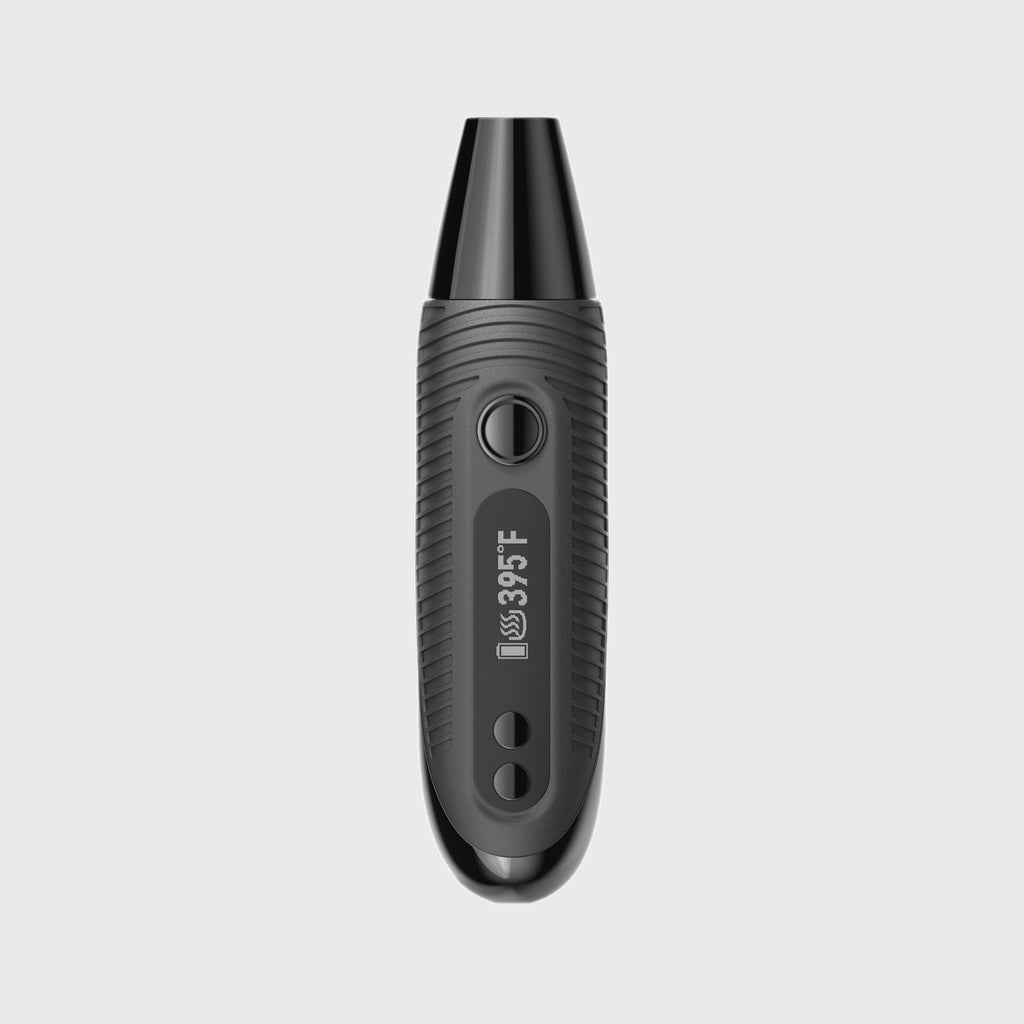
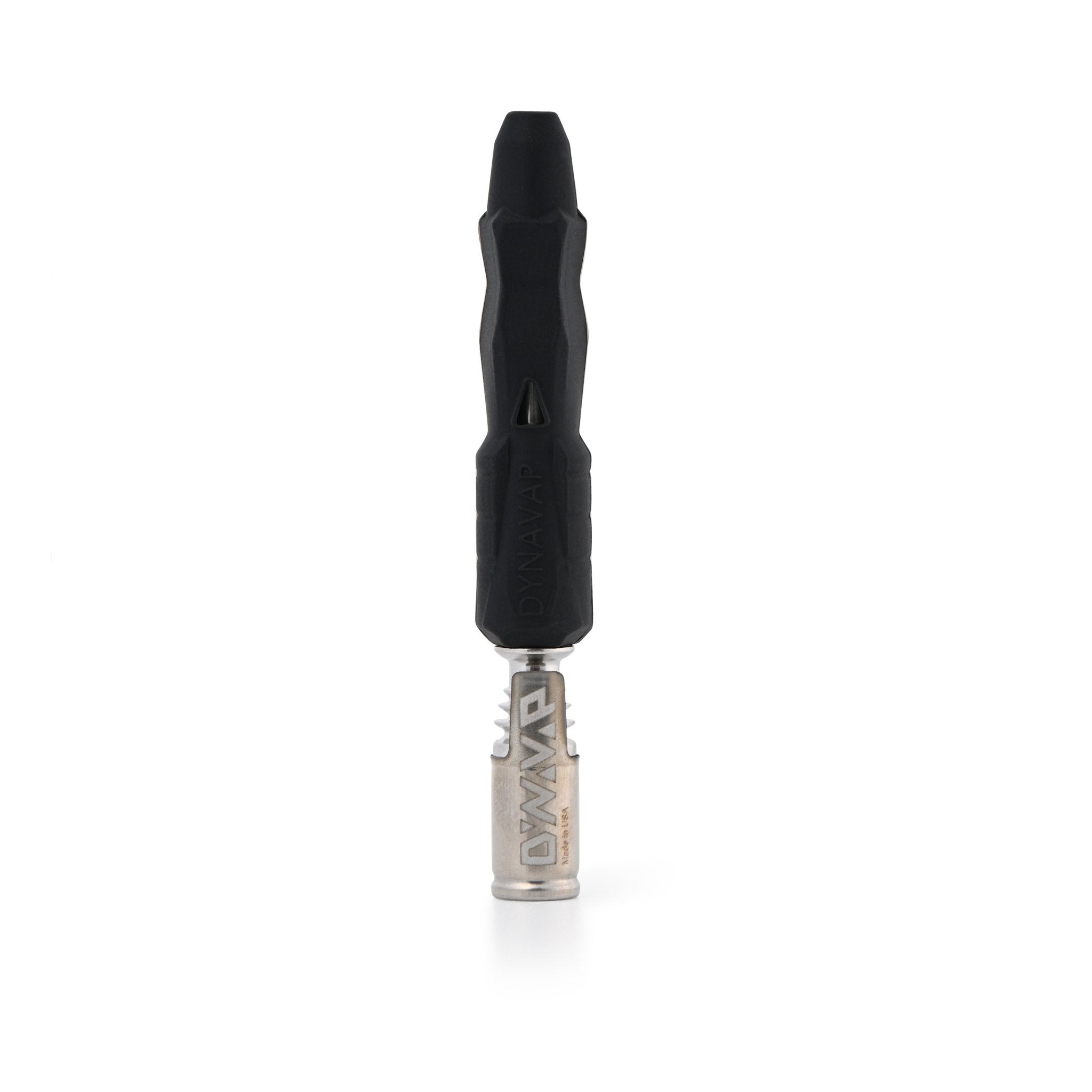
Top 10: Best Conduction Vaporizers 2026
Our curated selection of the best conduction vaporizers – with LIVE prices from our comparison.
Top 10: Best Convection Vaporizers 2026
The best convection vaporizers for pure flavor and even extraction.



Cleaning & Maintenance
Conduction vaporizers leave more residue in the chamber because material directly contacts the hot surface. Regular cleaning with isopropyl alcohol and brushes is essential. Convection vaporizers stay cleaner longer since less material sticks to the walls. Still, the air path should be cleared regularly and screens cleaned.
Who Should Choose What?
Beginners
Start with a conduction vaporizer. Operation is straightforward: turn on, wait, draw. Picks: XMAX Starry 4 (under 60 EUR), PAX Mini (under 100 EUR) or the DaVinci MIQRO-C for portability.
Flavor Chasers
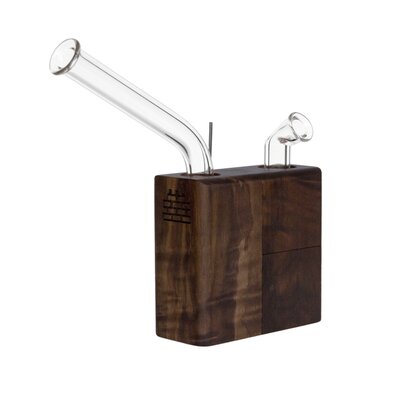
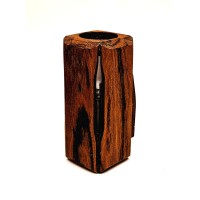
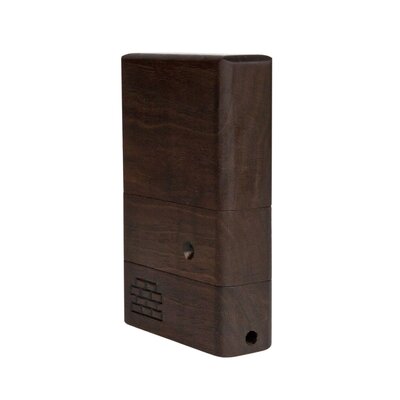
Convection is your game. The Tinymight 2 and Firefly 2+ deliver the purest vapor. The Sticky Brick series also offers excellent flavor through butane heating.
Home Use
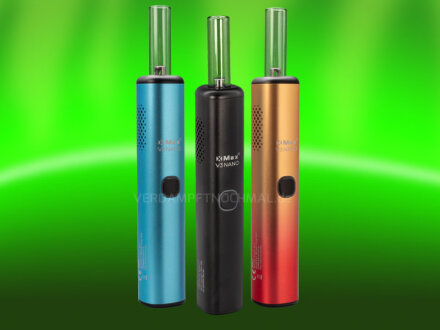
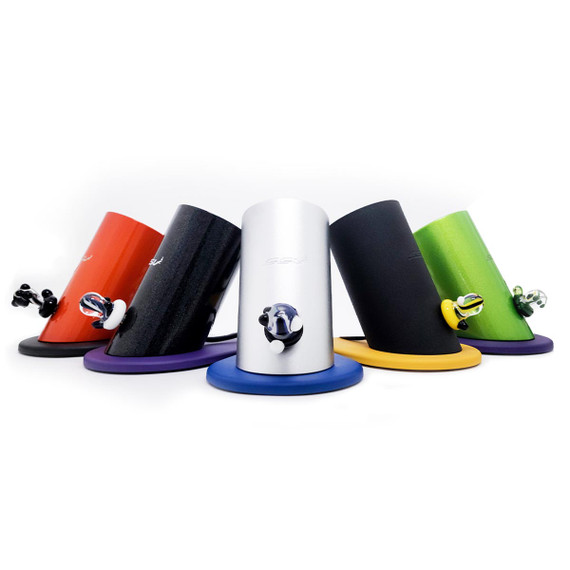
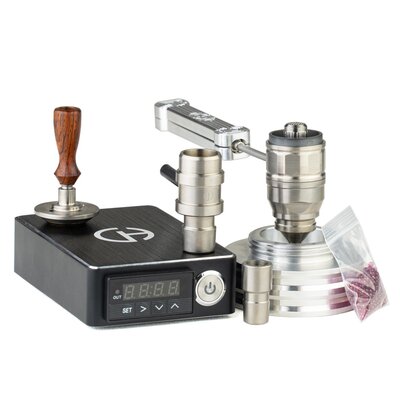
Desktop convection devices like the 7th Floor Silver Surfer or VapBong FlavorMaster are unbeatable. For portable convection: Tinymight 2 or XMAX V3 Nano.
Budget
Conduction offers the lowest entry prices. The XMAX Starry 4 and Boundless CFC 2.0 cost under 60 EUR. For convection on a budget, the XMAX V3 Nano is the most affordable pure hot-air option.
Frequently Asked Questions
It depends on your priorities. Conduction for easy operation and fast heat-up. Convection for flavor and efficiency. Hybrid devices offer a good compromise.
Hot air extracts more evenly and nothing burns. With conduction, material at the chamber edges can lightly char, which affects flavor.
Yes, hybrid heating combines both methods. Examples: Mighty+, Crafty+, Venty, Arizer Solo 3, DaVinci IQ2. The chamber preheats, then hot air flows through additionally.
Both methods are significantly healthier than smoking. Convection has a slightly lower combustion risk since material does not directly contact a hot surface.
The technology is more complex – hot air must be precisely controlled and evenly distributed. This requires better materials, more precise electronics and more sophisticated construction.
Recommended but not necessary with all devices. It helps with more even extraction. Devices with dosing capsules (e.g. Mighty+, Venty) neatly solve this problem.
Convection is generally more efficient since it only heats on demand and nothing vaporizes between draws. Conduction heats the chamber continuously, even when you are not drawing.
A combination of conduction and convection. The chamber preheats (conduction), then hot air flows through (convection). Examples: Storz & Bickel Venty, Arizer Solo 3, DaVinci IQ2.
Last updated: 03.03.2026
Current Prices