Guide · Setup, ball materials and heater choice
Current offers from our partner shops
 Visit shop
All prices come from automated shop queries. Some shop links are affiliate links.
Tempest 2 Guide: Setup, Ball Materials & Heater Choice
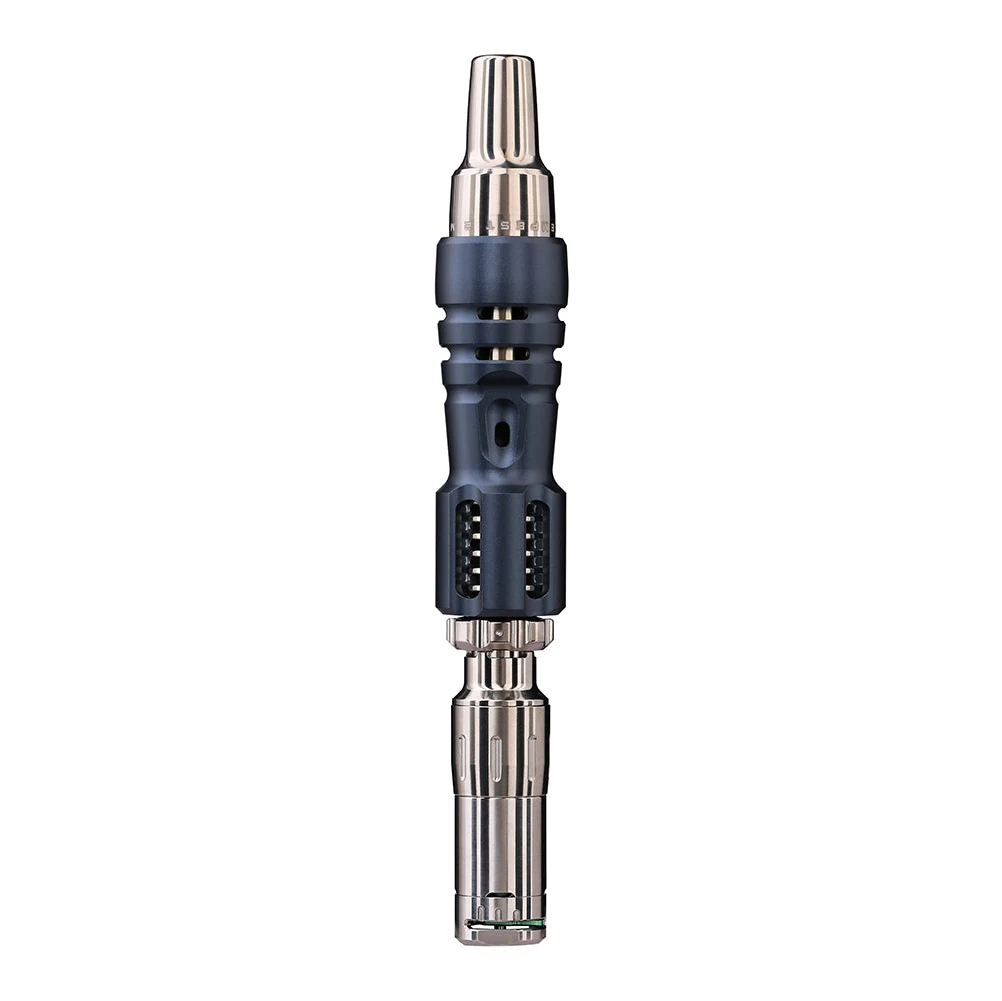
The Tempest 2 is a portable ball vape: it heats a bed of loose balls rather than a chamber wall, and the heat for that comes from outside the device. This guide works through what is in the box, the heat source, the ball materials, a repeatable basic setting and cleaning — using the numbers from the manufacturer’s manual rather than rules of thumb.
What is in the box — and what is not
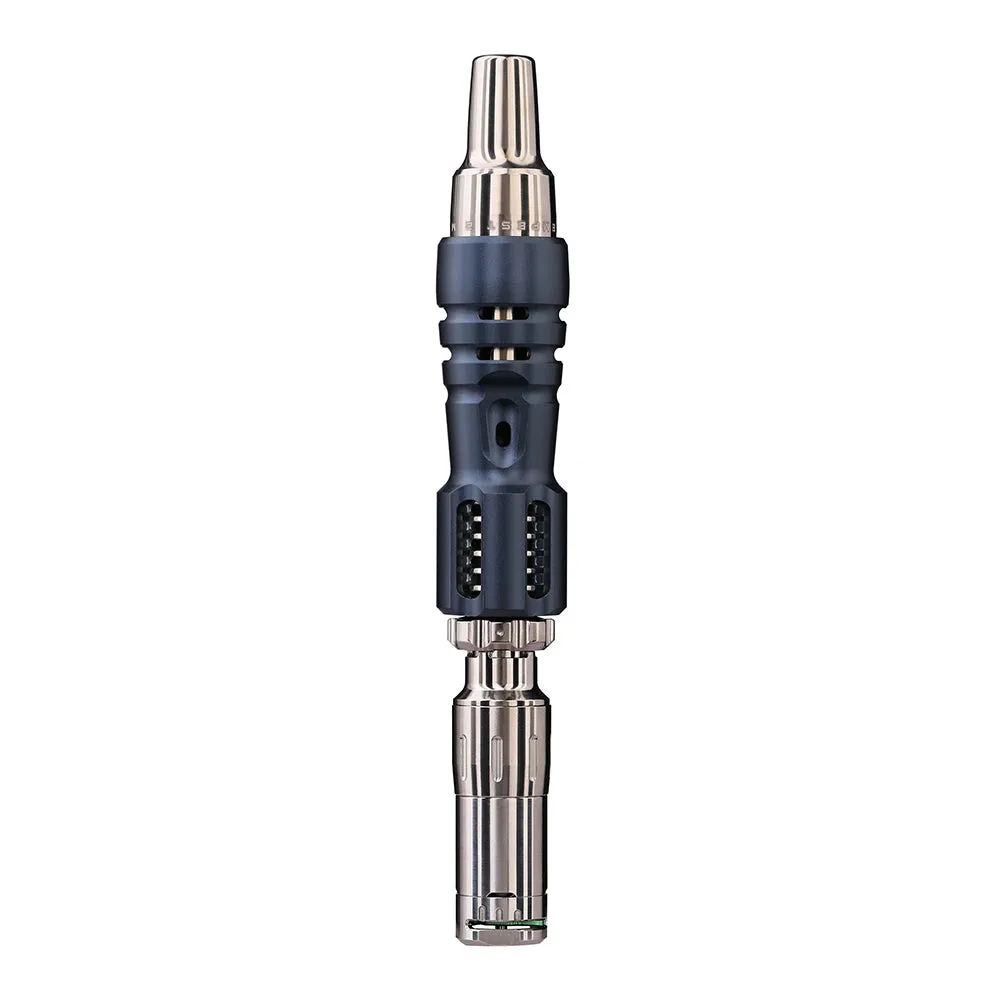
MAD Heaters lists the device with 3 mm zirconia balls already in the head, a cooling unit, four spare O-rings (three 6×1, one 8×1), two bowl screens and two ball screens, a tube for setting the bowl screen, a screen tool, additional zirconia balls and a 2 mm screwdriver bit.
The heat source is not included. This is where most setups end up costing more than the device price suggests. The manufacturer names the Ispire Wand and the YLL 3.0 as compatible induction heaters; a torch will heat the balls as well.
The device measures 122 × 18.5 mm and weighs 46 g with the aluminium heat shield, or 43 g with wood. Stem and bowl sit on an 8 mm connection that the manufacturer describes as compatible with various DynaVap accessories — which is why an existing cooling unit can often be reused.
A basic setup in three steps
- Prepare.
Clean the device before first use following the manufacturer’s instructions. Wooden sleeves are excluded from the alcohol-cleaning procedure described there.
- Fill.
Unscrew the cap, fill the bowl, tamp only lightly if at all, and keep the threads clean. Carefully close the cap fully.
- Set your heat source.
Use the manufacturer’s instructions for your combination. The cap stays hot for several minutes after heating; have the intended rest ready.
Wand, YLL 3.0 or a torch?
| Heat source | Documented starting point | Your decision |
|---|---|---|
| YLL 3.0 | For standard zirconia balls, MAD Heaters specifies 80 W and 35–40 seconds. | Worth considering if you want to set power and time separately. |
| Ispire Wand | The temperature display acts as a timer in this application; check the adapter version. | If you already own a compatible Wand, check this setup first. |
| Torch | The manufacturer lists dual-, triple- or medium-sized single-flame torches. Do not heat the indicators directly. | For those who prefer a manual heat source and want to learn its handling. |
For the Wand, the prose gives 290 °C as a starting point, while the table gives 280 °C for zirconia and the V3 adapter. Do not copy a single number without its accompanying section. The complete procedure, including insertion depth and when to stop heating, is in the manufacturer’s manual.
The practical difference between the two induction heaters is which quantity you actually set. The YLL 3.0 works in watts and seconds, the Wand through a temperature display that acts as a timer in this application. Switching ball materials on the YLL means changing the power and reading off the matching time; on the Wand, the appropriate display step shifts instead. The manufacturer states one limitation explicitly: the opening on some Wand units is too narrow for the Tempest 2 and should measure at least 14.0 mm.
A torch needs no electronics but more practice, because distance and duration are judged by hand. As a backup while travelling it stays useful, for the simple reason that it does not run out of battery.
Ball materials: weight sets the heat-up time
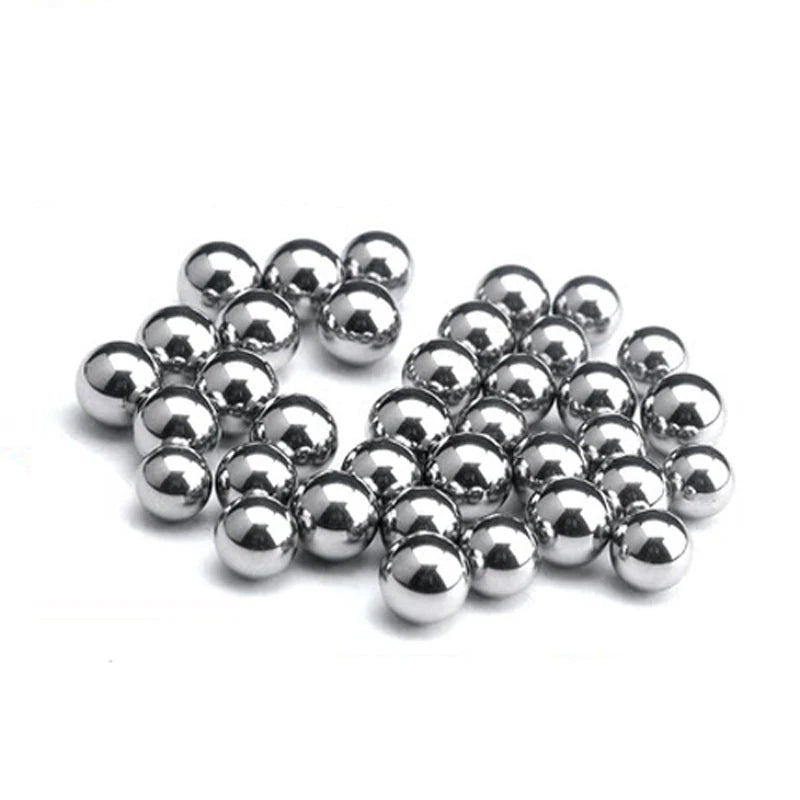
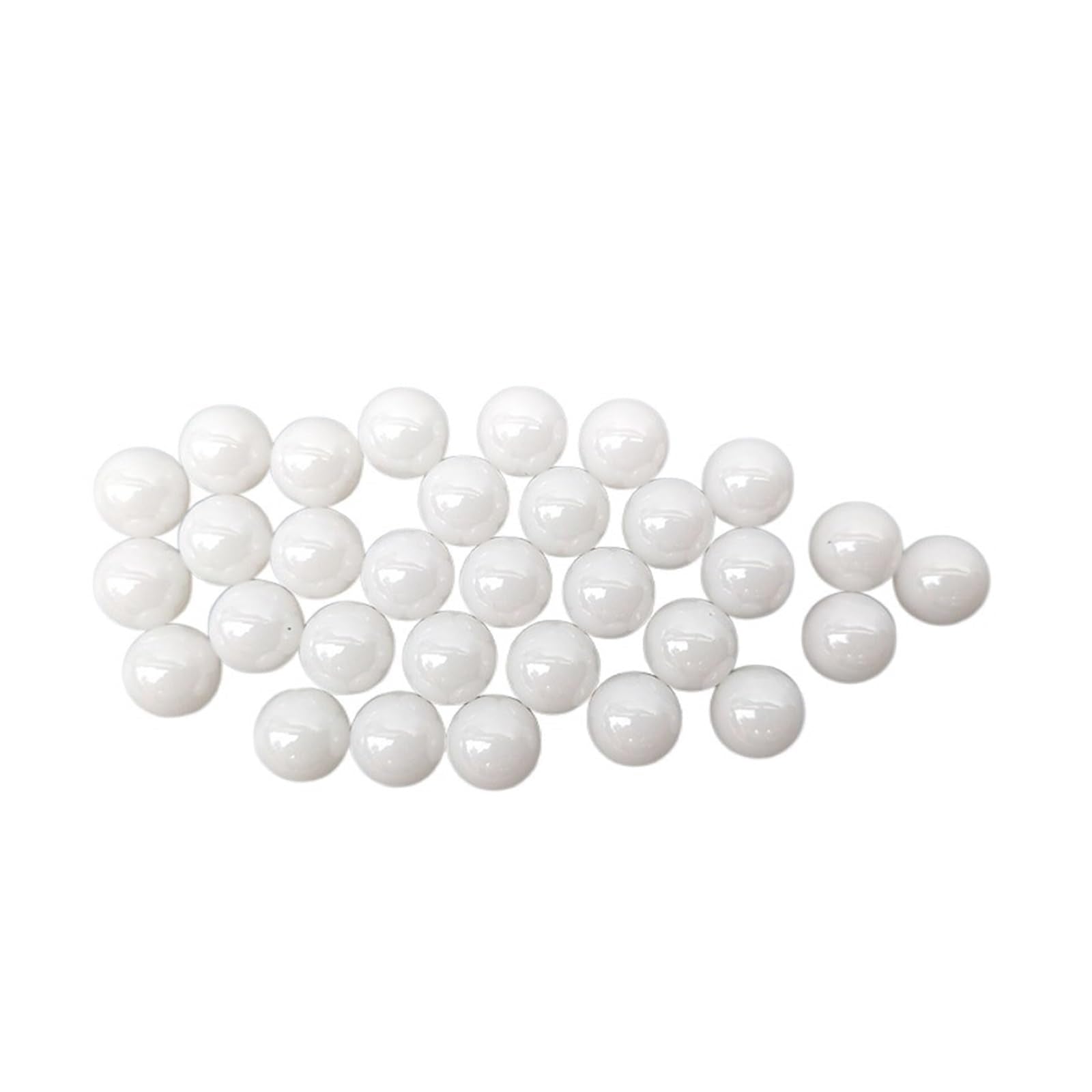
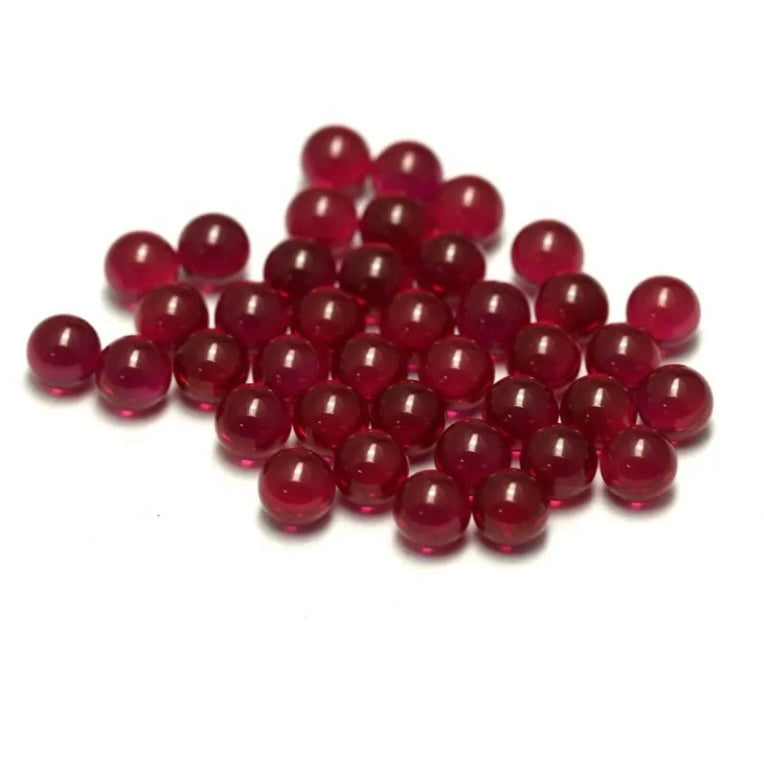
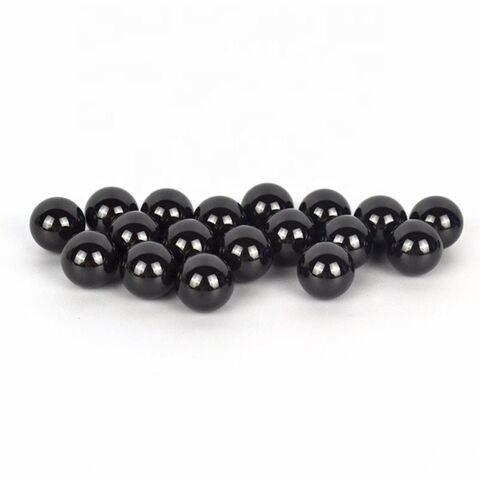
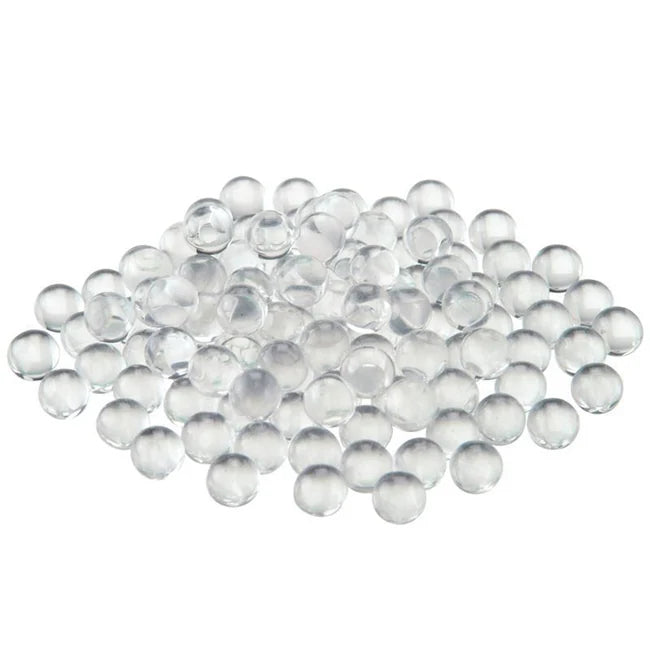
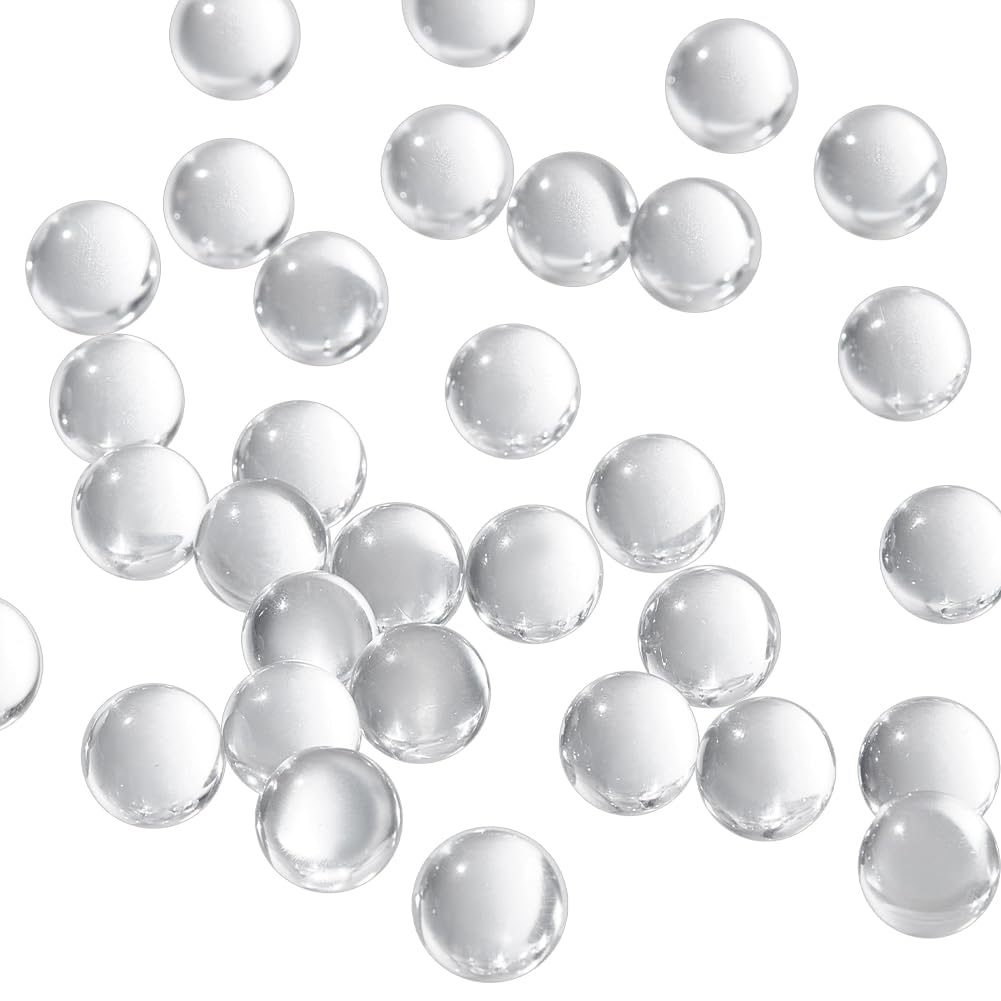
The Tempest 2 ships with zirconia and supports six ball materials. They differ less in flavour promises than in one measurable quantity: the fill weight that goes into the head. Stainless steel comes to 4.6 g, zirconia 3.5 g, ruby 2.2 g, silicon carbide 1.8 g, borosilicate and quartz glass 1.3 g each. The more mass has to be heated, the longer the process takes — and the longer the heat stays available afterwards.
 Stainless Steel
 Zirconia (Default)
 Ruby
Ruby
 Silicon Carbide (SiC)
 Borosilicate Glass
 Quartz Glass
Source: MAD Heaters Tempest 2 Manual
Heating times measured with the MAD Heaters YLL 3.0 (30–100 W) — compare prices
Technical Details (YLL 3.0, Density, Thermal Conductivity)
| Material | Density | Therm. Cond. | YLL 3.0 60W | YLL 3.0 80W | YLL 3.0 100W | Wand Temp |
|---|---|---|---|---|---|---|
| Stainless Steel | 7.87 g/cm³ | 16.3 W/m·K | 49–54 s | 38–43 s | 29–32 s | 320 °C / 600 °F |
| Zirconia | 5.68 g/cm³ | 2.5 W/m·K | 45–50 s | 35–40 s | 27–30 s | 280 °C / 525 °F |
| Ruby | 4.00 g/cm³ | 35 W/m·K | 45–50 s | 35–40 s | 26–30 s | 280 °C / 525 °F |
| Silicon Carbide | 3.21 g/cm³ | 120 W/m·K | 40–45 s | 31–36 s | 24–27 s | 260 °C / 490 °F |
| Borosilicate Glass | 2.23 g/cm³ | 1.1 W/m·K | 39–43 s | 30–35 s | 23–26 s | 250 °C / 480 °F |
| Quartz Glass | 2.65 g/cm³ | 3 W/m·K | 39–43 s | 30–35 s | 23–26 s | 250 °C / 480 °F |
The times in the expandable table come from the manufacturer’s manual and were measured with the YLL 3.0. Stainless steel shows the relationship most clearly: 60 W takes 49–54 seconds, 100 W only 29–32 seconds. The same balls behave completely differently depending on power — which is why switching ball material without adjusting the setting usually disappoints.
For a first setup the supplied zirconia is the sensible choice, because every figure the manufacturer publishes is built around it. Changing material pays off once you can name what your current result is missing. Density, thermal conductivity and the figures at 60, 80 and 100 W are set out in the ball vape head material comparison.
Finding a setting you can repeat
Record the heater, ball material, adapter version and starting setting. Then change only one parameter. This lets you return to your last usable result instead of starting every session with a new combination.
- Uneven result: First check the load, clear airflow and the documented adapter position.
- Different results from before: Compare the device’s starting temperature, battery charge and your settings.
- Unsure about assembly: Stop and consult the illustrated manual before forcing parts into place.
Draw technique, load and water filtration
In a ball vape the air passes through the hot bed of balls first and reaches the material second. That makes draw technique more consequential than on a device with a heated chamber, because a fast draw cools the balls and the air arriving behind it carries less heat. A steady, unhurried draw usually finds the spot better than a forceful one.
The manual asks for the bowl to be tamped lightly at most. The airway has to stay clear — packing it tight slows the draw and means only the top of the load ever sees much heat. If the vapour is warmer than you like, the cooling unit is the part that addresses it, and for use on a water pipe the manufacturer states WPA compatibility in 10, 14 and 18 mm; the adapter then belongs in your setup budget.
Cleaning and maintenance
For deep cleaning MAD Heaters gives a specific procedure: soak the fully assembled device, excluding the wooden sleeve, in 99% isopropyl alcohol for at least 30 minutes, recommended after roughly every 100 bowls. The wooden sleeve stays out because alcohol attacks it.
Between those, emptying the bowl after a session and keeping the screen clear is enough. The O-rings are FKM wear parts, which is why four spares are included. If the head starts to feel stiff, residue in the thread is the usual cause rather than a failed ring.
Do you need different balls or more accessories?
For a first setup, we would get to know the equipment already fitted. A different ball material is not a prerequisite for finding out whether you like the handling. Buy an upgrade for a specific purpose and check the size and specifications for your head.
When comparing prices, count the complete package: device, required heat source, any adapter and a suitable rest. Do not directly compare a standalone device with a bundle containing several of these parts — the Tempest 2 bundle is hard to weigh against a bare device price for exactly that reason.
Tempest 2 price history
Frequently asked questions
Do I need a new induction heater?
First check your existing combination against the manual and product page. MAD Heaters notes that the opening on some Wand units may be too narrow for the Tempest 2 and should measure at least 14.0 mm. A blanket compatibility promise would therefore be incorrect.
Does the displayed temperature measure the bowl?
For the Wand used with Tempest, MAD Heaters describes the setting as a timer. The number does not directly measure your material’s temperature.
Which balls should I buy first?
None. Stay with the supplied zirconia balls until your basic setting is dialled in, because every timing figure the manufacturer gives refers to them. Changing makes sense once you can name what is missing: more reserve across several draws points to the heavier stainless steel fill, a faster start to silicon carbide.
Does the Tempest 2 work without an induction heater?
Yes. The manufacturer lists dual-, triple- or medium-sized single-flame torches as a heat source and notes that the indicators should not be heated directly. An induction heater makes results more repeatable because power and time are displayed; it is not required.
How often does it need cleaning?
MAD Heaters recommends deep cleaning after roughly 100 bowls: soak the assembled device without the wooden sleeve in 99% isopropyl alcohol for at least 30 minutes. Between those, emptying the bowl and keeping the screen clear is enough.
Does the Tempest 2 fit a water pipe?
The manufacturer states compatibility with water pipe adapters in 10, 14 and 18 mm. The adapter itself is not part of the package, so it belongs in the budget if you plan to run the device on a bong.
Sources and further help
- MAD Heaters: Tempest 2 manual — setup, settings, ball materials and cleaning
- MAD Heaters: Tempest 2 — package contents, dimensions and compatibility note
Compare: Ispire Wand and YLL 3.0. How ball vapes work in general is covered in the ball vape buying guide. Shop links may be affiliate links.