18650, 21700 or Built-in? Battery Types Explained
Batteries in Portable Vaporizers
The battery is crucial for mobility and usage time in portable vaporizers.
Integrated Batteries
Many vaporizers come with permanently installed batteries that cannot be replaced by the user. This allows for a more compact design and simpler handling – no need to carry spare batteries. The downside is that once the battery degrades, the device often needs to be sent in for repair or replaced entirely. The Mighty+, Crafty+, and PAX 3 all use this approach.
Replaceable 18650 Batteries
Some vaporizers use standard 18650 lithium-ion cells that you can swap yourself. With a spare battery or two, you get practically unlimited runtime. When a cell wears out after a few years, a replacement costs just 5-10 euros instead of a whole new device. The trade-off is a slightly larger form factor, and an external charger is recommended for best results. The Tinymight-2/" class="vc-product-autolink">Tinymight 2, Firewood 7, and XMAX V3 Pro use this format.
Other Formats
The 21700 format is larger than the 18650 and offers more capacity – the Tinymight 2 can use this size. On the other end, 18350 cells are shorter and lighter, used in compact devices where space is limited. The trade-off with smaller cells is roughly half the capacity.
Battery Care Tips
Avoid fully discharging your battery – charge it when it drops to around 20-30%. Store your device at room temperature, away from extreme heat or cold. Stick to high-quality brand batteries from Samsung, Sony, or LG. If a battery shows any sign of damage, replace it right away.
Figures
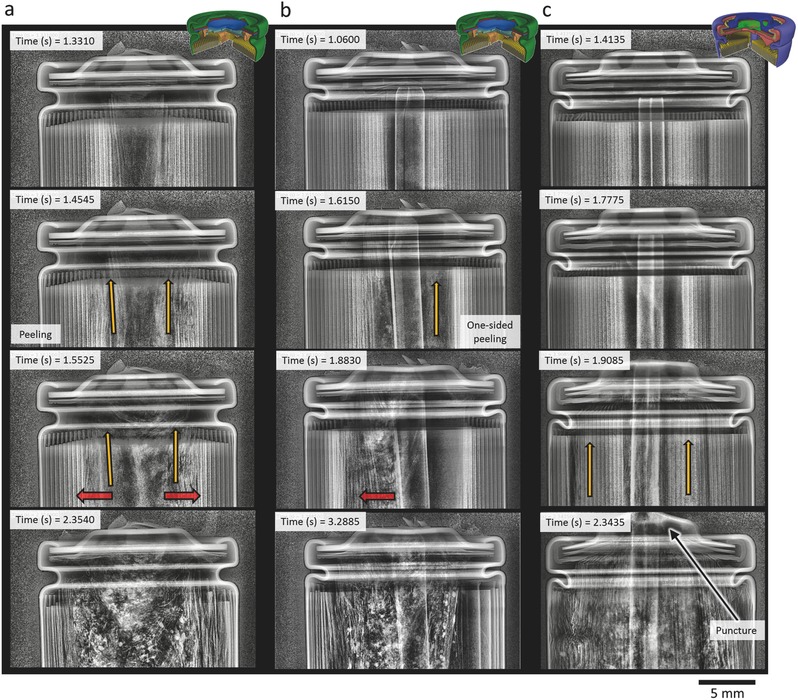
Source: Finegan et al. (2017), Advanced Science, CC-BY
What does the image show? This X-ray image reveals the internal structure of a lithium-ion battery during thermal runaway. The bright spots indicate areas of extreme heat buildup. This shows why battery quality and proper charging are critical – damaged or overheated cells can fail catastrophically. High-quality vaporizers include protection circuits to prevent such scenarios.

Source: Finegan et al. (2017), Advanced Science, CC-BY
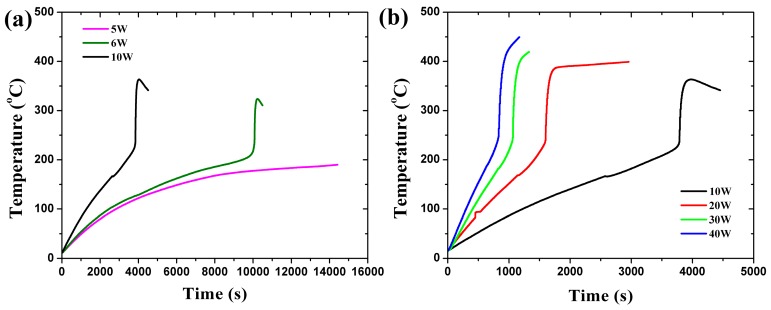
Source: Feng et al. (2017), Applied Sciences, CC-BY
Battery Chemistry Explained
Lithium-ion (Li-ion) batteries power virtually all modern vaporizers. Within this category, different chemistries offer varying characteristics. Most vaporizers use lithium cobalt oxide (LCO) or lithium manganese oxide (LMO) cells optimized for high discharge rates.
INR cells (lithium nickel manganese cobalt oxide) are popular in high-performance vaporizers. They handle high discharge rates well and offer good capacity. Samsung, Sony, and LG manufacture the most trusted cells used in quality vaporizers.
Capacity vs. discharge rate: Higher capacity cells (3500mAh) typically have lower maximum discharge rates, while high-discharge cells (20A+) often have lower capacity (2500mAh). Vaporizer manufacturers balance these factors for optimal performance.
Removable vs. Integrated Batteries
Removable batteries (18650, 21700) offer significant advantages. You can carry spares for extended sessions, replace worn cells yourself, and charge externally with sophisticated chargers. Devices like the Tinymight and Arizer Air 2 use this approach.
Integrated batteries enable sleeker designs and better weather sealing. The trade-off is that when the battery degrades after 2-4 years, replacement often requires professional service or replacement of the entire device.
Battery care tips: Store at 40-60% charge for extended periods. Avoid extreme temperatures. Dont fully drain before recharging. Quality chargers with proper termination protect battery longevity better than cheap alternatives.
Safety Considerations
Always use authentic batteries from reputable suppliers. Counterfeit cells are common and dangerous. Rewrapped low-quality cells may lack proper protection circuits and can fail catastrophically.
Inspect batteries regularly for damage to the wrapper or positive terminal insulator. Damaged wraps can cause shorts. Many vape shops offer free rewrapping services if the cell itself is undamaged.
Common Cell Formats
18650 cells are the most common removable format in vaporizers. The numbers indicate dimensions: 18mm diameter, 65mm length. Quality cells from Samsung, LG, or Sony provide 2500-3500mAh capacity with 15-30A discharge ratings.
21700 cells are newer and larger (21mm x 70mm), offering higher capacity (4000-5000mAh). Devices like the Tinymight use this format for extended battery life.
Proprietary batteries in devices like the Pax 3 or Crafty+ can’t be user-replaced. When these wear out (typically after 2-4 years of heavy use), professional service or device replacement is needed.
Maximizing Battery Life
Charge before the battery is fully depleted – keeping cells between 20-80% charge extends their lifespan. Avoid leaving the device on the charger indefinitely after reaching full charge.
Store batteries and devices at moderate temperatures. Extreme cold reduces available capacity temporarily, while extreme heat causes permanent damage to cell chemistry.
Frequently Asked Questions
Which vaporizer do you recommend for beginners? The Arizer Solo 2 and Crafty+ offer an excellent balance of ease of use and vapor quality. For budget-conscious beginners, the XMAX V3 Pro is a good choice with surprising quality at its price point.
How often should I clean my vaporizer? Basic cleaning after each session (brushing out the chamber) and thorough cleaning with isopropyl alcohol once a week keeps your device in top condition and ensures optimal performance.
Can I use my vaporizer on the go? Yes, portable vaporizers are designed for exactly that. Look for discrete models like the PAX 3 and always carry charged spare batteries or pre-loaded dosing capsules for convenience.
What is the ideal temperature for beginners? Start around 180°C (356°F). This temperature provides a good entry point with pleasant flavor and moderate effects. You can adjust temperature later based on preference and experience.
How long does a typical vaporizer last? High-quality devices from brands like Storz & Bickel or Arizer can last 5-10 years or longer with proper care. Less expensive models often have a lifespan of 1-3 years before issues arise.
Conclusion
Choosing the right vaporizer and accessories depends on your personal preferences and usage habits. Invest in quality – a good vaporizer makes a real difference in flavor, efficiency, and longevity. Use our price comparison tool to find the best deals on your desired device.
Buying and Using Batteries Safely
Only purchase batteries from reputable vendors who can verify authenticity. Counterfeit cells are common and dangerous. Check online databases and reviews to verify vendor reliability before purchasing.
Never carry loose batteries in pockets or bags where they might contact metal objects. Use proper battery cases for transport. Damaged wraps should be replaced immediately to prevent short circuits and potential thermal runaway events.
Key Takeaways
When evaluating vaporizers and accessories, consider your primary use case. Home users benefit from desktop units or larger portables with better vapor quality. Frequent travelers need compact devices with good battery life and quick heat-up times.
Quality matters more than price when it comes to vaporizers. A well-built device from a reputable manufacturer delivers better flavor, more efficient extraction, and longer lifespan than budget alternatives. The initial investment pays off through years of reliable service.
Don’t overlook the importance of proper maintenance. Regular cleaning prevents buildup that affects flavor and airflow. Keeping screens clear and vapor paths clean ensures your device performs at its best session after session.
Finally, take time to learn your device. Understanding optimal temperatures, packing techniques, and draw methods helps you get the most from your vaporizer. Many users never experience their device’s full potential simply because they haven’t experimented with these variables.
Battery Safety Tips
Lithium-ion batteries are safe when following basic guidelines:
Only use original or high-quality chargers to avoid overcharging. Keep your vaporizer out of hot cars and direct sunlight, as heat damages battery chemistry permanently. Inspect your batteries regularly and dispose of any cells with dents, cracks, or swelling right away. For long-term storage, keep them at room temperature and around 50% charge.
Battery Care Best Practices
Optimal Charging Habits
For lithium-ion batteries, avoid letting them fully discharge regularly. Charging between 20-80% capacity maximizes lifespan. Avoid leaving batteries on the charger for extended periods after reaching full charge. Use the manufacturer’s recommended charger to ensure proper voltage and current delivery.Storage Considerations
When storing your vaporizer for extended periods, maintain the battery at approximately 50% charge. Store in a cool, dry place away from direct sunlight. Extreme temperatures accelerate battery degradation. Check stored batteries periodically and top up if charge drops too low.Comprehensive Accessories Guide
Mouthpieces and Mouthpiece Adapters
The mouthpiece is the most direct contact point between vaporizer and user. Choosing the right mouthpiece significantly affects comfort, vapor temperature, and taste. Glass Mouthpieces: Offer the purest taste since glass is chemically inert. Various designs from straight to curved allow individual customization. Downside: Fragile and can become uncomfortable with hot vapor. Wooden Mouthpieces: Natural aesthetics and pleasant mouthfeel. Wood insulates well against heat. Requires careful care as it can absorb moisture. Metal Mouthpieces: Robust and durable. Some users report a slight metallic taste. Stainless steel and titanium are the preferred materials. Silicone Mouthpieces: Soft, flexible, and shatterproof. Ideal for on the go. May develop a slight inherent taste with very hot vapor.Chambers and Chamber Accessories
Reducer Chambers: Enable efficient sessions with less material. Ideal for micro-dosing or occasional users. Concentrate Pads: Metal mesh or ceramic pads for using concentrates in conventional herb vaporizers. Dosing Capsules: Pre-filled capsules for quick material changes and easier cleaning. Especially practical for on the go.Cooling Components
Cooling Tubes: Extended vapor paths made of glass or stainless steel that cool the vapor before inhalation. Glass Cooling Systems: Units with beads or complex structures that maximize surface area for heat exchange. Water Pipe Adapters: Connect the vaporizer with water pipes for maximum cooling and filtration.Carrying Cases and Storage
Hard Shell Cases: Maximum protection for sensitive devices. Often with foam inserts for secure fit. Soft Bags: Lighter and more flexible. Good for daily transport. Smell-Proof Containers: Special bags with activated carbon filtering for discrete storage.Cleaning Kits
A complete cleaning kit should contain: – Isopropyl alcohol (90%+) – Various brush sizes – Cotton swabs and toothpicks – Microfiber cloths – Replacement seals and O-rings – Cleaning solution for stubborn depositsReplacement Parts and Wear Parts
Screens and Filters: Should be replaced regularly once clogged or damaged. Seals: O-rings and silicone seals wear out over time. A set of replacement seals is basic equipment. Heating Components: Some devices allow replacement of heating elements or ceramic chambers.Technical Accessories
External Chargers: Allow charging spare batteries while the device is in use. Power Banks: High-capacity power banks can provide multiple charge cycles for your vaporizer. Temperature Measuring Devices: Infrared thermometers for checking actual surface temperature.Hydration and Humidity Control
Boveda Packs: Two-way humidity control packs that maintain optimal moisture levels in stored material. Available in different humidity percentages for various preferences. Herb Containers: Airtight containers with integrated humidity control. UV-protected options preserve freshness longer. Grinders with Storage: Multi-chamber grinders with built-in storage compartments for prepared material.Accessory Organization
Good system for storing accessories saves time and protects delicate parts. Dedicated boxes or cases for glass parts. Separate containers for cleaning supplies. Labeling makes finding items quick.
Accessory Priorities
Invest first in cleaning accessories – cleanliness is essential. Then spare parts like screens and seals. Finally comfort upgrades like better mouthpieces or cooling solutions.
Scientific Sources
- Liu, P. et al. (2021). Experimental Study on Thermal Runaway Process of 18650 Lithium-Ion Battery. Applied Sciences. PMC
- Feng, X. et al. (2017). Experimental Study of Thermal Runaway Process of 18650 Lithium-Ion Battery. Applied Sciences. PMC
- Finegan, D. P. et al. (2017). Identifying the Cause of Rupture of Li-Ion Batteries during Thermal Runaway. Advanced Science. PMC
- Chen, W. C. et al. (2011). Thermal explosion hazards on 18650 lithium ion batteries. Journal of Hazardous Materials. PubMed
Frequently Asked Questions
Which battery type is best for vaporizers?
18650 lithium-ion cells offer the best balance of capacity, discharge rate, and availability. They are replaceable and widely used in portable vaporizers.
What does mAh mean?
Milliamp-hours (mAh) indicate battery capacity. Higher mAh means longer sessions. Typical range: 2500–3500 mAh for portable vaporizers.
{“@context”:”https://schema.org”,”@type”:”FAQPage”,”mainEntity”:[{“@type”:”Question”,”name”:”Which battery type is best for vaporizers?”,”acceptedAnswer”:{“@type”:”Answer”,”text”:”18650 lithium-ion cells offer the best balance of capacity, discharge rate, and availability. They are replaceable and widely used in portable vaporizers.”}},{“@type”:”Question”,”name”:”What does mAh mean?”,”acceptedAnswer”:{“@type”:”Answer”,”text”:”Milliamp-hours (mAh) indicate battery capacity. Higher mAh means longer sessions. Typical range: 2500–3500 mAh for portable vaporizers.”}}]}