Arizer Solo 3 vs Venty: Glass or Comfort?
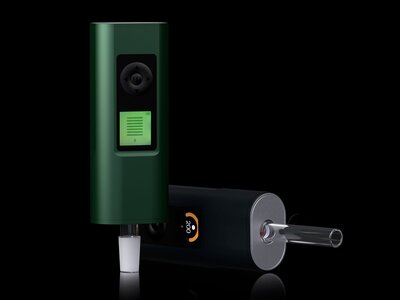
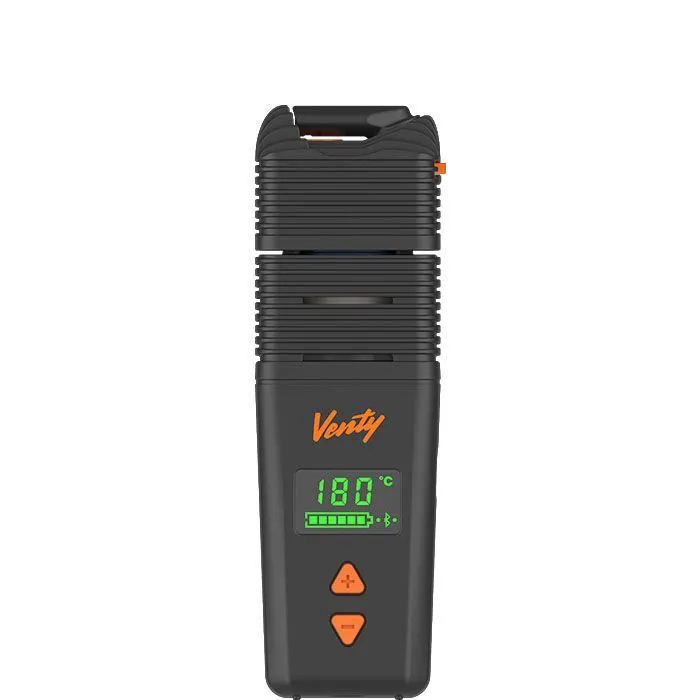
An exciting duel at similar price points: The Arizer Solo 3 from ~€155 versus the Venty from ~€166. Just €11 apart — but the concepts could hardly be more different.
Specifications
| Specification | Solo 3 V2 | Venty |
|---|---|---|
| Heating | Hybrid | Hybrid |
| Max temperature | 220 °C | 210 °C |
| Heat-up time | ~15 seconds | ~20 seconds |
| Battery | 5,000 mAh | ~3,000 mAh |
| Vapor path | Glass (stems) | Plastic (cooling unit) |
| Dosing capsules | No | Yes |
| Weight | 210 g | 252 g |
| Price from | ~€155 | ~€166 |
| Shops | 0 | 135 |
Vapor Quality and Flavor
The Solo 3 is famous for its pure glass vapor path. Air flows through the ceramic heater, through the herb in the glass stem, and straight to your lips — no plastic, no metal in the vapor path. The result: exceptionally clean, cool flavor that many enthusiasts consider the best under €200.
The Venty takes a different approach with its hybrid heating and plastic cooling unit. Vapor quality is excellent — thick, smooth clouds — but the flavor profile differs. The cooling unit adds a very slight plastic undertone that purists notice, though most users find it negligible. Where the Venty excels: consistent extraction without stirring, thanks to convection-dominant heating.
Both use hybrid heating — but with completely different vapor paths. The Solo 3 channels vapor through a glass stem. Glass is flavor-neutral and delivers the purest vapor of any portable vaporizer. The Venty uses a plastic cooling unit with multiple chambers that cools the vapor more effectively.
In practice: The Solo 3 tastes slightly purer and more natural, especially at lower temperatures (180-195 °C). The Venty delivers cooler, smoother vapor that is more comfortable to inhale. Flavor purists: Solo 3. Comfort: Venty.
Battery and Heat-Up Time
The Solo 3 has the larger battery (5,000 vs ~3,000 mAh) and heats up faster (15 vs 20 seconds). In practice, it lasts noticeably longer per charge — up to 25 sessions versus 10-15 for the Venty. The Venty counters with pass-through charging: vape while charging. The Solo 3 cannot do this.
Ecosystem and Accessories
The Venty benefits from Storz & Bickel’s extensive ecosystem: dosing capsules, cooling unit sets, wear and tear sets. The Solo 3 offers various glass stem variants: straight, curved, 14mm WPA for water filtration. Glass stems cost €8-12 and are easy to clean.
Cleaning and Maintenance
The Solo 3 is one of the easiest vaporizers to clean. Simply soak the glass stem in isopropanol — done. The ceramic heating chamber barely gets dirty because the herb sits in the glass stem with no direct contact. Replacement stems cost €5-8 and swap in seconds.
The Venty has more parts to clean: disassemble the cooling unit, replace screens, soak in iso. Dosing capsules keep the chamber clean, but without them it needs regular care. More effort than the Solo 3, but the modular cooling unit makes it manageable.
App and Controls
The Solo 3 has a display and buttons on the device. Temperature adjustment is quick without a smartphone. Arizer has deliberately never offered an app — the device works fully standalone. Ideal for users who value simplicity.
The Venty combines both: a dial and OLED display for direct control, Plus the optional S&B app for boost settings, custom sessions, and firmware updates. You don’t need the app, but you have the option. The most flexible approach among current vaporizers.
Value and Running Costs
The Solo 3 costs around €155, the Venty sits at roughly €166. Prices are close, but running costs differ. Solo 3: replacement glass stems (€5) and occasional new screens. Venty: dosing capsules (set ~€15), replacement cooling unit (~€12), screens. The Solo 3 is cheaper to maintain long-term, while the Venty offers the larger Storz & Bickel accessory ecosystem.
Build Quality and Design
The Solo 3 has a cylindrical brushed stainless steel body. Clean, functional design — no frills. The glass stem sticks out the top, making it not very pocket-friendly. Fine for home or a backpack, too bulky for a pants pocket.
The Venty is more compact despite its width. The flip-up mouthpiece makes it more transport-friendly than the Solo 3. The plastic surface is grippy and survives drops better than the Solo 3’s steel body where dents can occur. The Venty looks more modern, the Solo 3 more classic.
Who Should Buy Which?
Solo 3: Purest flavor through glass, long battery, no app needed, cheaper accessories. Ideal for purists.
Venty: Cooler vapor, dosing capsules, pass-through charging, app control. Ideal for on-the-go users who value convenience.
Note: This article covers the Arizer Solo 3. For the newer model: Arizer Solo 3 V2 vs Venty.
Daily use in detail
The Solo 3 V1 feels more home-oriented in daily use. The direct glass airpath and built-in WPA make it easy to enjoy with water or standard dry sessions without adding much complexity. Its roughly 26-second heat-up is not ultra-fast, but still quick enough to feel modern. The Venty is more flexible on the move, with app control, dosing capsules and a freer draw that asks less from the user.
That difference matters over time. Solo 3 rewards a slower style and people who care about flavour and simple glass maintenance. Venty rewards users who want a broader ecosystem and a more universally easy routine.
Verdict: Solo 3 or Venty?
At roughly €99, the Solo 3 V1 offers serious value: hybrid heating, 220°C max, direct glass, built-in WPA and lifetime coverage. The Venty costs more, but gives more airflow, stronger accessory support and a more forgiving everyday experience. Solo 3 is the taste-first value pick. Venty is the convenience-first premium pick.
Overview of all 29 comparison articles — find the perfect device for you.