title: “Butane vs Battery Vaporiser Comparison 2026” meta_description: “Butane or battery? Two worlds, one goal. Vapor quality, costs, learning curve and everyday practicality in an honest comparison.” slug: butane-vs-akku-vaporizer lang: de date: 2026-02-28
Butane vs Battery Vaporisers — Which suits you better?
Two heating concepts, one goal: good vapor. But the path to get there is fundamentally different. Butane vaporisers work with an open flame and reward a delicate touch. Battery vaporisers handle temperature control electronically and deliver at the push of a button. Which system suits you depends less on the technology than on your daily routine.
This comparison shows you where the real differences lie, without any marketing promises.
At a glance
- Butane vaporisers work with an open flame and take 3–10 seconds to heat up
- Battery devices regulate temperature electronically at the push of a button
- Butane models start from 30 EUR, battery vaporisers from 80 EUR
- Many users end up owning both systems for different situations
Why are there two different vaporiser philosophies?
Imagine two coffee drinkers. One grinds beans by hand, brews with a hand filter and adjusts the water temperature with a thermometer. The other presses a button on a bean-to-cup machine. In the end, both drink coffee. But the experience is different.
Vaporisers are much the same. Butane devices demand attention and reward you with control. Electronic vaporisers take the work off your hands and deliver reliable results. Neither is objectively better. It depends on what you are looking for.
Some people end up owning both. That is not a contradiction, but perfectly logical.
How does a butane vaporiser work?
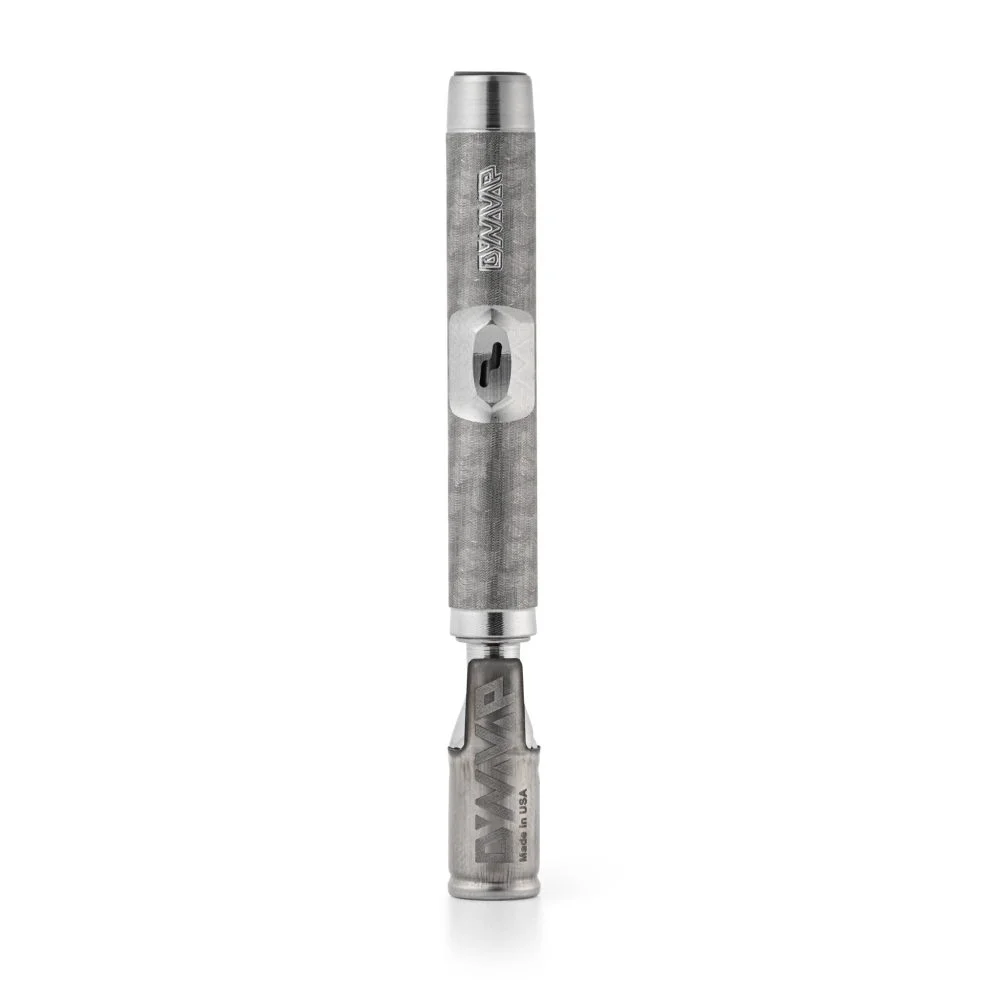
A butane vaporiser uses the flame of a jet lighter to heat a heating chamber or a metal component. The herbs are not ignited directly, but vaporised by the heated surface. You control the temperature by holding the flame closer or farther away, changing the angle, or waiting for an acoustic signal.
Three designs dominate the market:
Click mechanism (DynaVap): A bimetal strip in the cap clicks audibly as soon as the vaporisation temperature is reached. You heat the stainless steel tip with the lighter, wait for the click and inhale. After cooling down, it clicks again. Easy to learn, hard to master — because where you apply the flame changes the result.
Flame intake (Sticky Brick): Here you direct the flame through a glass channel straight at the herbs. The hot air flows through the material. This takes practice, because a fraction of a second too long already means combustion. In return, the vapor is dense and flavour-intense.
Conduction capsules (Vapman, VapCap): A solid metal part is heated externally and transfers the heat to the herbs through direct contact. Precise, but the learning curve varies depending on the device.
All butane vaporisers have one thing in common: no battery, no electronics, no firmware updates. Anything that can break is mechanical — and usually repairable.
How does a battery vaporiser work?
Electronic vaporisers use a built-in or replaceable battery to supply power to a heating element. A microcontroller regulates the temperature. You set a value, press the button and wait until the device vibrates or a display tells you: ready.
In most devices, a ceramic or stainless steel heating element heats the chamber through convection (hot air), conduction (contact heat) or a mix of both.
Well-known examples:
- Mighty+ and Crafty+ by Storz & Bickel: hybrid heating, session style, reference devices for years
- Venty: successor from the same company, faster heat-up time, app control, USB-C
- Arizer Solo 3: pure convection through glass tubes, clean flavour
- Pax Plus: compact, conduction-based, designed for discretion
- Tinymight 2: on-demand convection, almost as fast as butane
Electronic devices generally offer an exact temperature display, sometimes app control and occasionally dosing capsule systems for clean handling.
Which system delivers better vapor quality?
Short answer: butane for intense flavour in the first few draws, battery for consistent vapor production across the whole session.
Butane vaporisers often deliver more intense flavour in the first one or two draws. The fast, uncontrolled heat extracts terpenes in one go. People who prioritise flavour therefore often swear by butane. But: after the third draw, the aroma noticeably drops off.
Electronic vaporisers spread extraction more evenly over a session lasting five to ten minutes. The flavour is milder, but more consistent. Hybrid devices such as the Mighty+ keep vapor production stable over many draws.
On-demand devices such as the Tinymight 2 try to combine the strengths of both worlds: electronically heated, but only while you draw. That comes closest to the butane experience — without a flame.
There is no better or worse here. There are preferences.
How quickly are the devices ready to use?
Butane clearly wins this category — 3 to 12 seconds compared with up to 60 seconds for battery devices.
| Device type | Heat-up time |
|---|---|
| DynaVap (Butane) | 3–8 seconds |
| Sticky Brick (Butane) | instant (flame = heat) |
| Vapman (Butane) | 5–12 seconds |
| Mighty+ (Battery) | approx. 60 seconds |
| Venty (Battery) | approx. 20 seconds |
| Crafty+ (Battery) | approx. 60 seconds |
| Tinymight 2 (Battery) | approx. 5 seconds |
| Pax Plus (Battery) | approx. 20 seconds |
If you want a quick draw while out and about, you go for butane or an on-demand battery device. For relaxed sessions at home, heat-up time hardly matters.
How steep is the learning curve with both systems?
Battery vaporisers are usable straight away, while butane devices need anywhere from days to weeks of practice depending on the model.
DynaVap: Relatively beginner-friendly. The click mechanism gives you a clear signal. After three to five attempts, you will get a usable result. It gets really good after a few weeks, once you start experimenting with flame position.
Sticky Brick: This takes patience. Holding the flame directly over the herbs without burning them requires steady hands and practice. Some people burn their material three or four times in the first week. Others get the hang of it after two sessions. A tolerance for frustration helps.
Vapman: Somewhere in between. The small copper chamber is unforgiving, but the feedback is good.
Battery vaporisers: Hardly any learning curve. Switch on, choose the temperature, wait, inhale. The differences are more about draw resistance and draw technique — slow and even works best on most devices. But you cannot burn anything.
Honestly: if you do not have much patience for technology, a battery vaporiser is the safer choice.
What do butane and battery vaporisers cost in the first year?
Butane comes to 90–200 EUR in the first year, battery to 170–400 EUR. In the long run, butane remains cheaper to maintain.
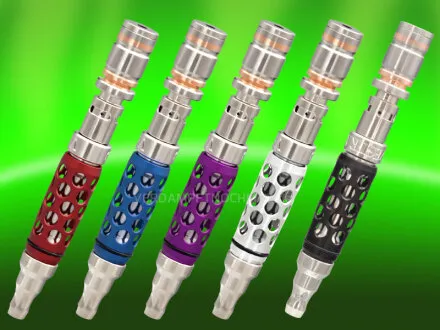
Butane vaporisers:
- DynaVap M: from approx. 62
- Sticky Brick Junior: approx. 120 EUR
- Vapman: approx. 160 EUR
- Jet lighter: 10–30 EUR
- Butane refill: approx. 5 EUR (lasts for months)
- Spare parts: seals, caps — rarely over 15 EUR
Total cost in the first year: 90–200 EUR. After that, almost only butane.
Battery vaporisers:
- Pax Plus: approx. 110
- Crafty+: approx. 195
- Mighty+: approx. 269
- Venty: approx. 295
- Arizer Solo 3: approx. –
- Replacement battery (if replaceable): 20–40 EUR
- Dosing capsule set: 15–30 EUR
- Wear parts (screens, mouthpieces): 10–20 EUR/year
Total cost in the first year: 170–400 EUR. In the long run, battery wear and possible repairs are added on top.
Butane is cheaper both to get started with and to maintain. That is a fact. However: a broken DynaVap can be repaired for a few euros. A battery vaporiser with a faulty heating element becomes a paperweight — or a warranty case.
Which system is more discreet on the go?
Battery vaporisers — no visible flame, no lighter needed, visually inconspicuous like a tech gadget.
Butane: You need a lighter and have to use it visibly. An open flame draws attention, no matter how small the device is. Vulnerable to wind. In the park, that works; in a pedestrian zone, not so much.
Battery: No lighter needed. Devices such as the Pax Plus or the Crafty+ look like tech gadgets. You press a button, wait briefly, and take a discreet draw. Neither system is low-odour — but visually, the battery vaporiser is clearly more inconspicuous.
If you need discretion, there is hardly any way around a battery device.
How do both systems compare at a glance?
| Criterion | Butane | Battery/Electronic |
|---|---|---|
| Heat-up time | 3–12 sec. | 5–60 sec. |
| Device price range | 30–200 EUR | 80–450 EUR |
| Learning curve | moderate to steep | shallow |
| Vapor consistency | variable, user-dependent | even, reproducible |
| Battery lifespan | not relevant (no battery) | 1–3 years, then capacity loss |
| Repairability | high (mechanical, simple) | low to moderate (electronics) |
| Discretion | low (flame visible) | high (no fire needed) |
| Dependence on power | none | yes (charging needed) |
| Temperature control | manual / click signal | digital, precise to the degree |
| On-demand possible? | yes (always) | only on a few models |
When is a butane vaporiser the better choice?
- You spend a lot of time outdoors and want to stay independent of sockets. Camping, hiking, festivals — refilling butane works anywhere.
- You want a backup device. Flat battery, power cut, travelling without an adapter: the DynaVap still works.
- Flavour is your top priority. The first draws from a well-heated butane vaporiser are hard to beat for flavour.
- Your budget is limited. For under 100 EUR, the DynaVap M7 gives you a fully fledged device that lasts for years.
- You enjoy tinkering. Butane vaporisers invite experimentation. Different caps, stems, induction heaters as an upgrade — the community is creative.
When is a battery vaporiser the better choice?
- You want reliability in everyday use. Switch on, set the temperature, done. The same good result every day, without variables.
- Discretion matters to you. No lighter, no flame, no attention. In public, a battery device hardly stands out.
- You share with others. A session with three people on the Mighty+ runs smoothly. Try explaining the Sticky Brick technique to someone at a party.
- You do not fancy a learning curve. That is not a flaw. Sometimes a device should simply do what it is supposed to do.
- You use dosing capsules. Clean chamber, pre-portioned, no repacking. Only electronic devices offer that.
Price trend
Conclusion: Both worlds have their place
Butane or battery — the question is framed wrongly if it suggests an either-or.
Butane vaporisers reward commitment. They are inexpensive, independent and deliver excellent vapor in experienced hands. But they are unforgiving and do not suit every situation.
Battery vaporisers deliver comfort and consistency. They cost more, need power and have a limited lifespan. But they work reliably, discreetly and without prior knowledge.
Many experienced users end up owning one device from each category. The Mighty+ for everyday use, the DynaVap for being out and about or when the battery is flat yet again. That is not indecision — that is practical.
You can find current prices for both categories in the vaporiser price comparison on vapochecker.com. Filter by heating method and you will immediately see what butane and battery devices cost across more than 70 shops.
Has been testing and comparing vaporisers at VapoChecker since 2020. Over 800 devices, 274 shops, 51 countries.