Vaporizer Battery Types
- Vaporizers use built-in Li-ion batteries or removable 18650/21700 cells
- 18650 cells (2500–3500 mAh) deliver 4–8 sessions; 21700 cells (4000–5000 mAh) reach up to 14 sessions
- After 300–500 charge cycles, capacity drops to ~80% – a replacement 18650 costs €5–10 vs. €150–400 for a new device
- High-drain brand cells (Samsung 30Q, Sony VTC6) are a must – no-name cells overheat under load
Why the Battery Matters
The battery is the heart of every portable vaporizer. It determines how long you can vape per charge, how fast the device heats up, and how many years it lasts overall. Picking the right battery type can mean the difference between years of reliable use and early frustration.
Battery capacity directly affects session count: a typical 18650 cell (2600–3500 mAh) delivers 4–8 sessions per charge, while newer 21700 cells (4000–5000 mAh) can reach up to 14 sessions. Devices with removable batteries are more economical long-term, since a replacement cell costs just €5–10 instead of €150–400 for a whole new unit.
Built-in Batteries
Most vaporizers ship with integrated lithium-ion batteries. The manufacturer can tailor size and capacity to the specific device. Compact form factor, simple handling – it just works out of the box.
The catch? After 300–500 full charge cycles, capacity drops noticeably. With daily use, that translates to 2–4 years before the battery feels worn out. Then you either need a battery replacement service (if one exists) or a whole new device.
Storz & Bickel offers a battery swap service for the Mighty+ and Crafty+ (€50–70). Most other brands? Out of luck.
Devices with built-in batteries: Mighty+, Crafty+, Venty, PAX 3, DaVinci IQ2, Arizer Solo 2, and nearly everything under €150.
Removable 18650 Batteries
Some vaporizers use standard 18650 lithium-ion cells – the same batteries found in flashlights, e-bikes, and laptops. You can swap them yourself, and that changes everything.
Unlimited runtime: Carry one or two spare cells and you are set for the entire day. When a cell weakens after a few years, you buy a new one for €5–10 instead of replacing the whole device.
The trade-off: 18650 cells have a fixed size (18 mm diameter, 65 mm length). Devices that use them tend to be larger and heavier. You also need to understand battery safety – cheap no-name cells can be dangerous.
Good vaporizers with 18650 cells: Tinymight 2, Firewood 7, XMAX Starry V4, Boundless Tera. Recommended cells: Samsung 30Q, Sony VTC6, or LG HG2.
Other Formats: 21700 and 18350
The Arizer ArGo uses 18350 cells – shorter than 18650, which allows a more compact design. The trade-off is roughly half the capacity.
The 21700 format (21 mm diameter, 70 mm length) offers 4000–5000 mAh at 15–45 A discharge and 65–70 g weight. The Tinymight 2 uses this format for extended battery life.
Very compact pen-style vaporizers often have internal LiPo (lithium-polymer) batteries. More flexible in shape, but typically lower capacity and shorter lifespan.
Lithium-Ion Battery Chemistry
Li-ion batteries are the industry standard for portable vaporizers, offering the best combination of energy density, longevity, and safety.
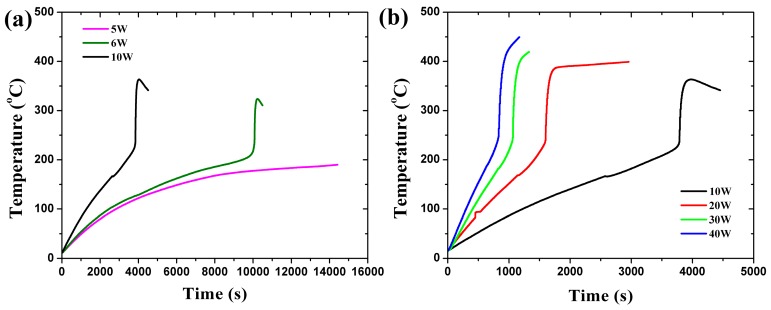
Source: Feng et al. (2017), Applied Sciences, CC-BY
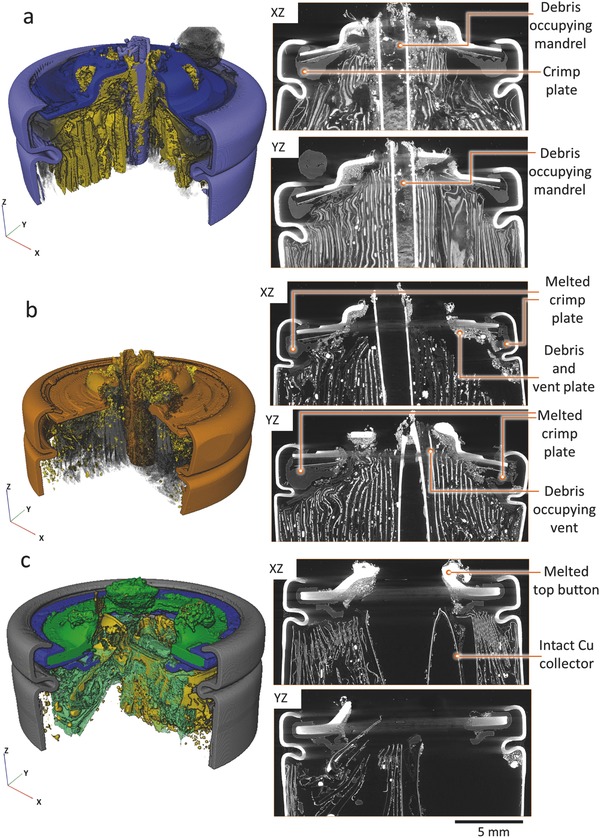
Source: Finegan et al. (2017), Advanced Science, CC-BY
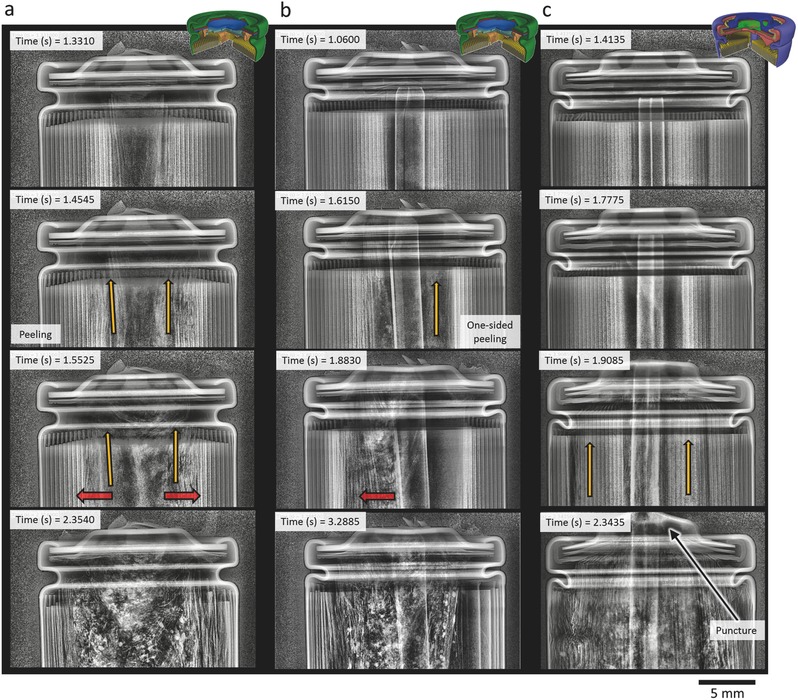
Source: Finegan et al. (2017), Advanced Science, CC-BY
How It Works
Li-ion batteries use lithium compounds as electrode material:
- Anode: Typically graphite
- Cathode: Lithium cobalt oxide (LiCoO2) or lithium iron phosphate (LiFePO4)
- Electrolyte: Lithium salt in an organic solvent
Advantages
Li-ion cells offer high energy density of 150–200 Wh/kg, which makes compact devices possible in the first place. No memory effect – partial discharges do not harm the cell. Self-discharge sits at just 1–2% per month, and with 500–1000 charge cycles they last several years under normal use.
Disadvantages
Li-ion batteries do not tolerate overcharging; in the worst case that can lead to overheating. They also lose capacity slowly even without use, because the cell chemistry ages on its own. Performance drops in cold weather, so keep your vaporizer close to your body during winter.
INR Cells
INR cells (lithium nickel manganese cobalt oxide) are popular in high-performance vaporizers. They handle high discharge rates well and offer good capacity. Samsung, Sony, and LG make the most trusted cells. Capacity versus discharge rate is always a trade-off: high-capacity cells (3500 mAh) typically have lower maximum discharge, while high-drain cells (20 A+) often cap out at 2500 mAh.
Battery Comparison by Vaporizer Type
Session Vaporizers
| Device | Battery Type | Capacity | Sessions | Removable |
|---|---|---|---|---|
| Mighty+ | Li-ion built-in | 2600 mAh | 8–10 | No |
| Crafty+ | Li-ion built-in | 1300 mAh | 4–6 | No |
| PAX Plus | Li-ion built-in | 3500 mAh | 8–10 | No |
| Arizer Solo 2 | Li-ion built-in | 3400 mAh | 15–20 | No |
| DaVinci IQ2 | 18650 | 3500 mAh | 6–8 | Yes |
On-Demand Vaporizers
| Device | Battery Type | Capacity | Draws | Removable |
|---|---|---|---|---|
| Tinymight 2 | 21700/18650 | Variable | 50–100 | Yes |
| Firefly 2+ | Li-ion built-in | 770 mAh | ~60 | Yes (external) |
| DynaVap | None (butane) | — | Unlimited | — |
Charging Methods
USB-C Charging
USB-C has become the standard for vaporizer charging. The cables are universally available, and with Power Delivery (PD) up to 100 W is possible, cutting charge times significantly.
External Chargers
For devices with removable batteries, an external charger is worth the investment. Nitecore is the most popular brand, XTAR offers strong value. Both charge more gently than most USB chargers. Expect to pay around €15.
Best Charging Practices
Charge your battery when it drops to 20–30%, and take it off the charger before hitting 100%. For long-term storage, keep cells at 40–60% charge. Always charge at room temperature – not in extreme heat or cold.
Battery Care: Making It Last
Lithium batteries dislike extremes. Keep the charge level between 20% and 80% whenever possible. If you are not using the device for more than two weeks, store it at around 50%.
Heat is the enemy. Never leave your vaporizer in a hot car during summer – temperatures easily reach 60°C+ and the battery ages rapidly. In winter, carry it close to your body to avoid cold-related performance drops.
When should you replace a battery? When your sessions get noticeably shorter, the cell drains overnight on its own, or it gets unusually warm during charging. If you spot any physical damage like dents or swelling, replace the battery immediately.
Battery Safety
Never use damaged batteries – even small dents or scratches on the wrapper can be dangerous. Do not carry loose cells in pockets alongside keys or coins, because that can cause short circuits.
For loose 18650 or 21700 cells, inexpensive plastic battery cases prevent short circuits. On flights, lithium batteries must go in carry-on luggage, not checked bags.
If you see signs of battery failure (extreme heat, smoke, hissing):
- Move it away from flammable materials immediately
- Do not use water (lithium reacts with it)
- Use sand or a fire blanket
- If there is an active fire, call emergency services
Recommended Battery Brands
| Brand | Popular Models | Strengths |
|---|---|---|
| Samsung | 25R, 30Q, 40T | High quality, widely available |
| LG | HG2, MJ1 | High capacity, reliable |
| Sony/Murata | VTC5A, VTC6 | High discharge rates |
| Panasonic | NCR18650B | Excellent capacity |
Stay away from no-name cells. “Fire” brands like Ultrafire or Trustfire are frequently counterfeits with substandard internals. Buy from specialists like Nkon.nl or IMRbatteries.com.
Alternative Power Sources
Butane/Gas Vaporizers
Some vaporizers skip batteries entirely. The DynaVap is heated with a lighter or induction heater, while the Sticky Brick sends a butane flame through a glass labyrinth. No battery wear, theoretically unlimited sessions. The trade-off is a learning curve.
Desktop Vaporizers (Mains Power)
Desktop devices like the Volcano or the Arizer EQ run directly on mains power. No battery worries, no fading performance – as long as a wall outlet is nearby.
Induction Heaters for DynaVap
As an electric alternative to a lighter, induction heaters exist. The Ispire Wand is portable with its own battery, while the VHB Carbon stands out for its compact build. Both are more precise than a lighter.
Which Type Should You Choose?
Always on the go, long days? Go with removable batteries. Carry spare cells and forget about wall outlets. The Tinymight 2 is the reference here.
Mostly at home, occasional outings? A built-in battery is perfectly fine. The Mighty+ or Arizer Solo 2 easily last a full day.
On a tight budget? You will likely end up with a built-in battery anyway. That is okay – after 2–3 years you will probably want to try something new regardless.
Frequently Asked Questions
Which battery type is best for vaporizers?
18650 lithium-ion cells offer the best balance of capacity, discharge rate, and availability. They are removable and used in many portable vaporizers like the Tinymight 2 and DaVinci IQ2.
What does mAh mean for vaporizer batteries?
Milliamp-hours (mAh) indicate battery capacity. Higher mAh means longer sessions. Typical range: 2500–3500 mAh for 18650 cells, 4000–5000 mAh for 21700 cells.
Is a vaporizer with a removable battery worth it?
Removable batteries extend the device lifespan significantly. After 300–500 charge cycles, you simply swap the battery (€5–10) instead of replacing the entire device (€150–400).
Can I use my vaporizer while charging?
That depends on the device. Pass-through charging allows use during charging (e.g. Mighty+, PAX). With other devices, you should wait.
Can I use any 18650 battery in my vaporizer?
No. Vaporizers need high-drain cells with at least 10 A continuous discharge. Regular laptop batteries are not suitable. Recommended: Samsung 30Q, Sony VTC6, or LG HG2.
Scientific Sources
- Liu, P. et al. (2021). Experimental Study on Thermal Runaway Process of 18650 Lithium-Ion Battery. Applied Sciences. PMC
- Feng, X. et al. (2017). Experimental Study of Thermal Runaway Process of 18650 Lithium-Ion Battery. Applied Sciences. PMC
- Finegan, D. P. et al. (2017). Identifying the Cause of Rupture of Li-Ion Batteries during Thermal Runaway. Advanced Science. PMC
- Chen, W. C. et al. (2011). Thermal explosion hazards on 18650 lithium ion batteries. Journal of Hazardous Materials. PubMed
Related articles: Pass-Through Charging · Vaporizer Types · Vaporizers & Health