
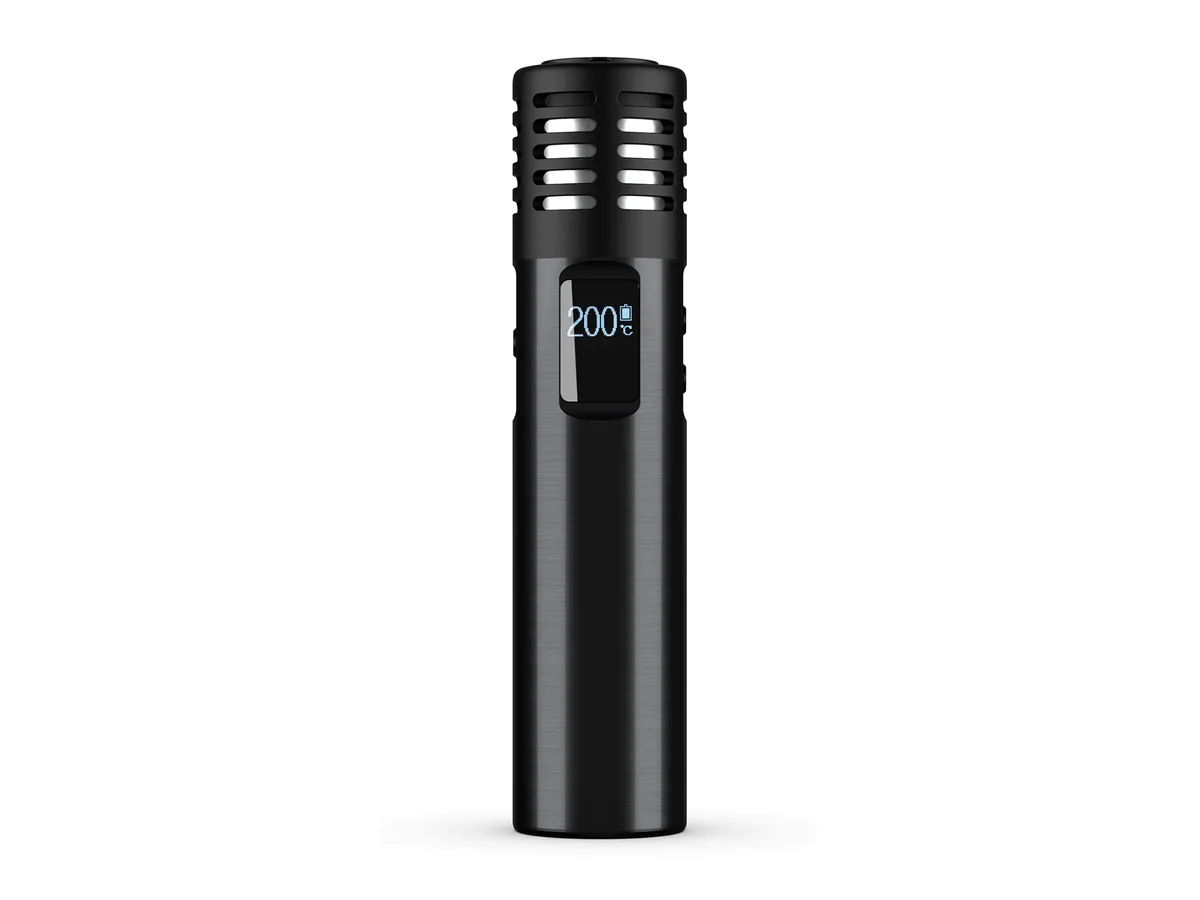
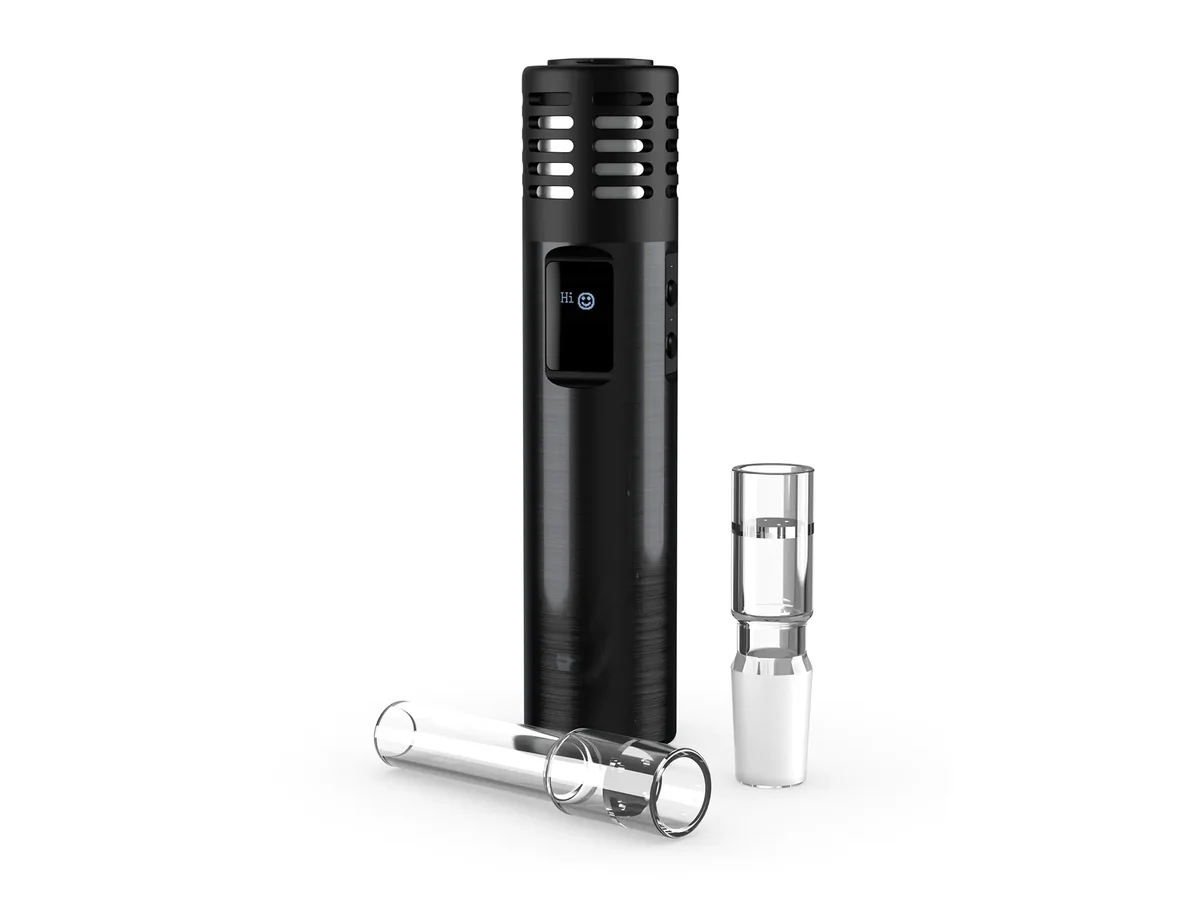
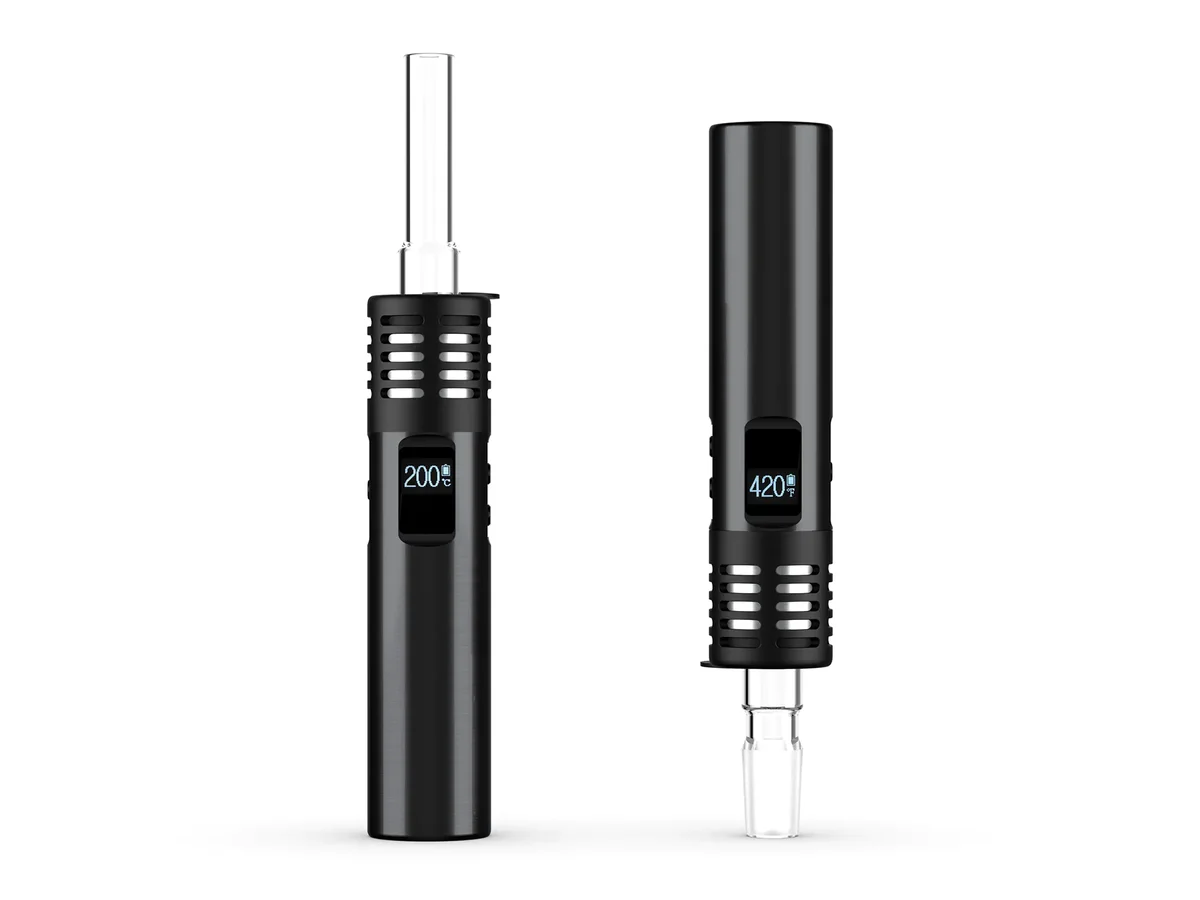
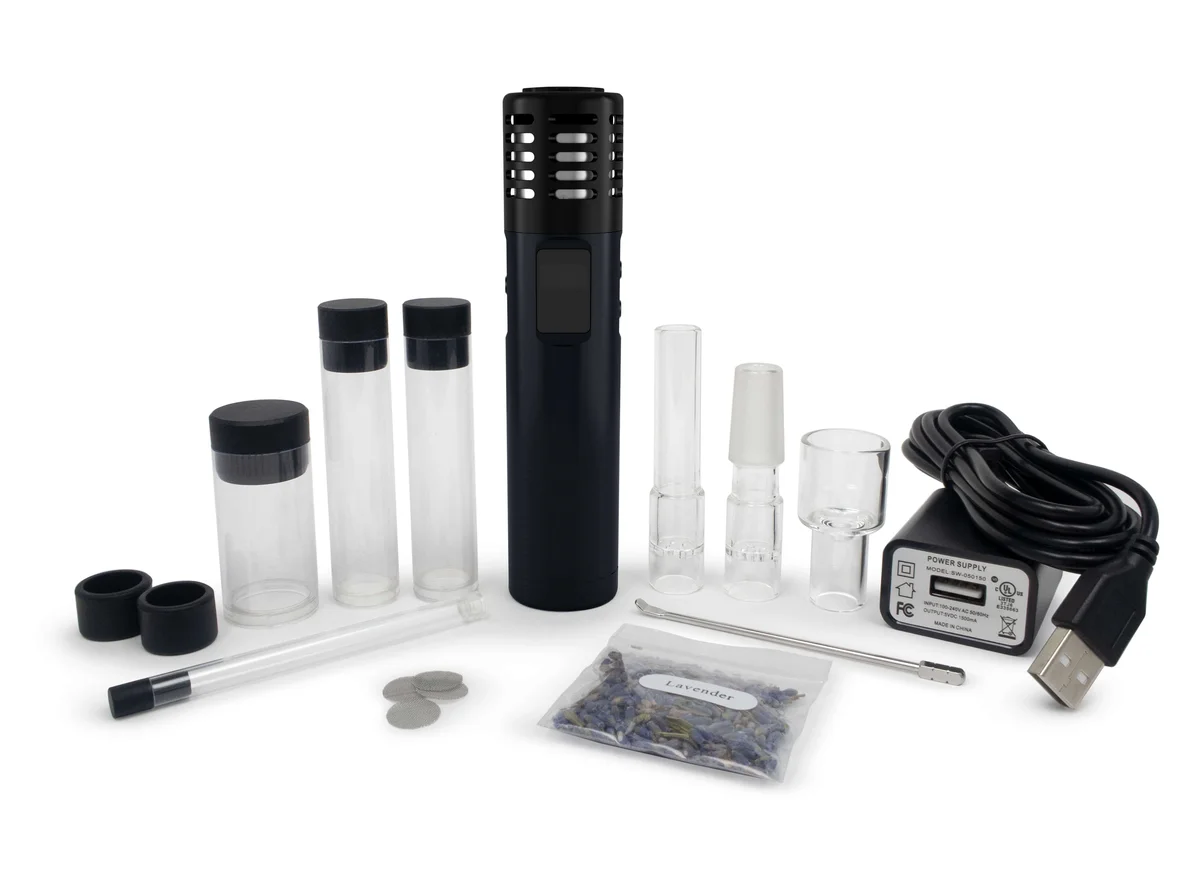
Pros
- Faster heat-up time (60 seconds)
- Broader temperature range (40-220°C)
- Water pipe compatible
- Replaceable battery
- Lifetime warranty
- Optimized hardware and efficiency
Cons
- No passthrough charging function
- Slightly heavier than Air 2 (110g)
- Higher price than Air 2
- Battery requires regular replacement
Air MAX vs Venty for the Air MAX. You can find the complete overview on the main page.
Quick answer for "Arizer Air Max vs Venty": we show which model fits which user type best.
Air MAX vs Venty
Air MAX vs Venty is a core practical topic for the Air MAX. Build a stable baseline with fixed temperature and airflow, adjust one variable per session, and keep short notes to find a reproducible setup.
Check draw rhythm, chamber fill, and cleaning intervals in a regular routine. Most quality gains come from consistency, not from extreme settings.
- Start with one repeatable profile.
- Change only one parameter at a time.
- Track taste, vapor density, and session duration.
- Clean cooling path, screens, and seals regularly.
Related guides without comparison intent
More Air MAX topics
- Cleaning & Care
- Battery Charging Tips
- Temperature Settings
- Herb Prep & Grind
- Glasmundstücke Guide
- How to Use — Getting Started
- Microdosing
- Troubleshooting & Error Messages
- Frequently Asked Questions (FAQ)
- Review & Long-Term Test
- Air MAX vs Crafty+
- Air MAX vs Solo 3 V2
- Air MAX vs Mighty+
- Air MAX Alternativen
Price comparison charts for both devices
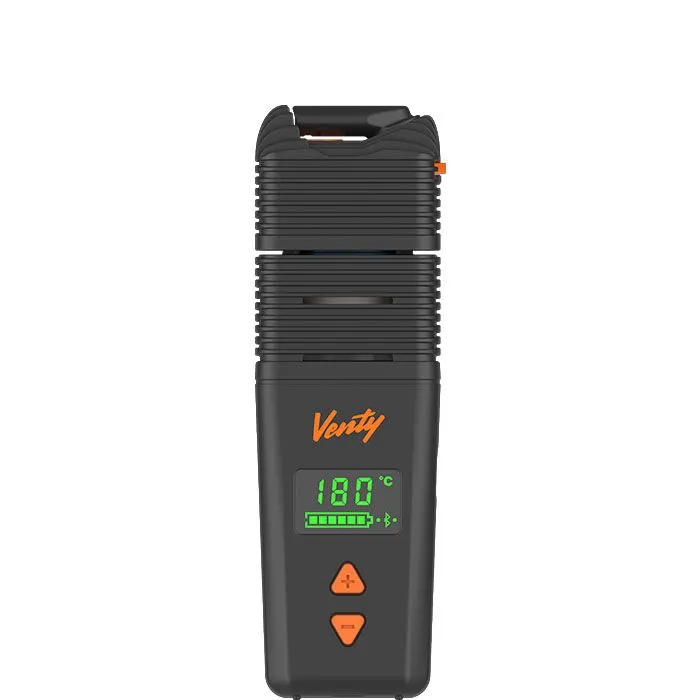
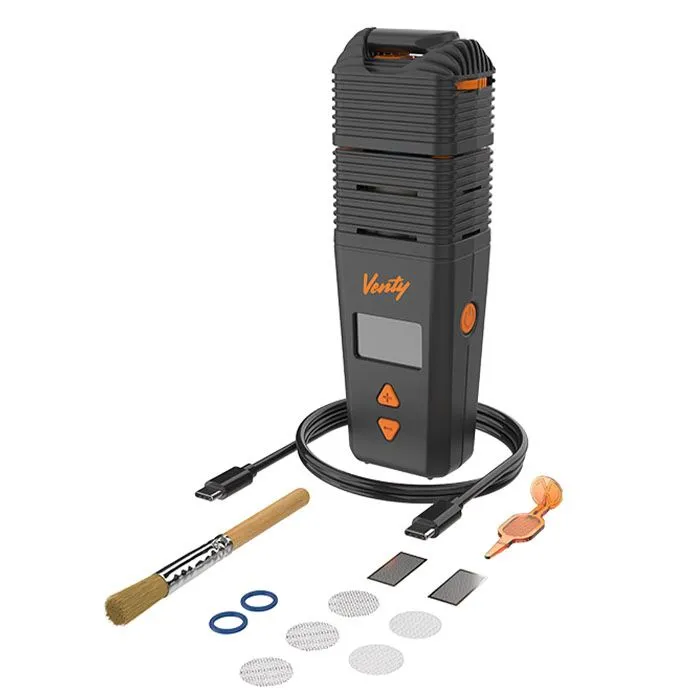
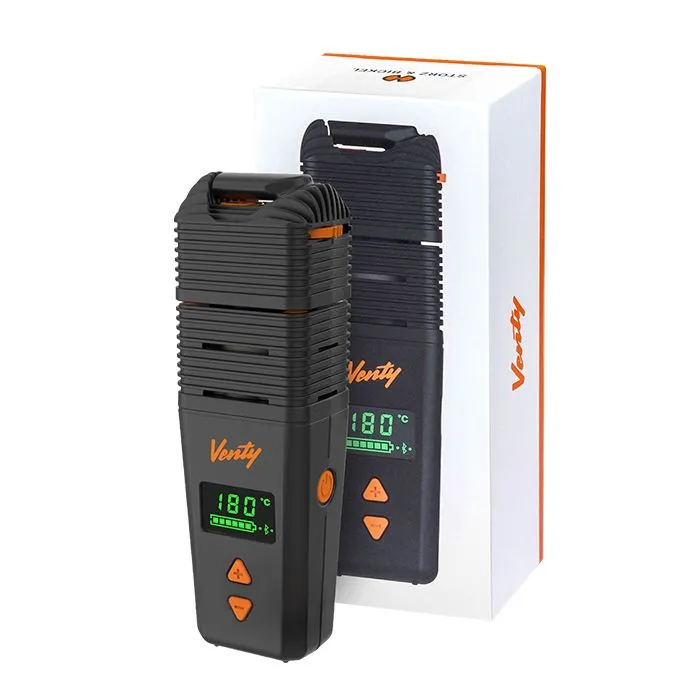
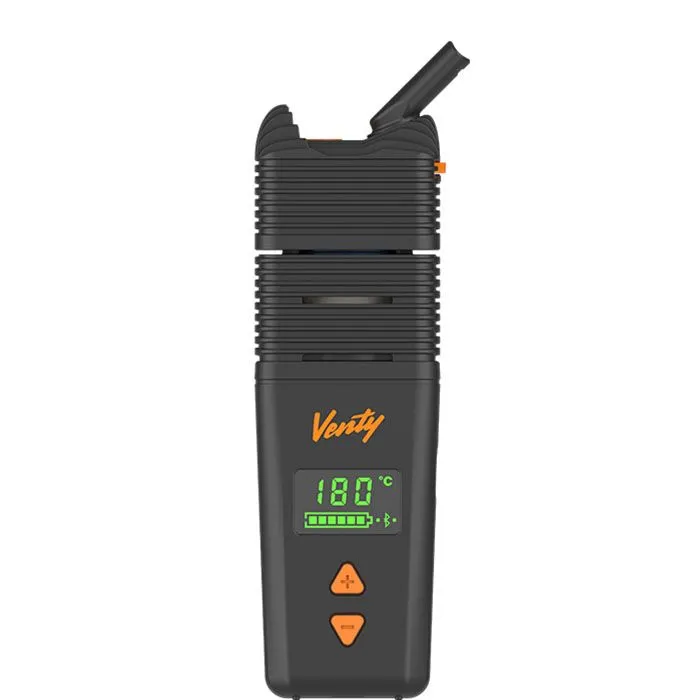
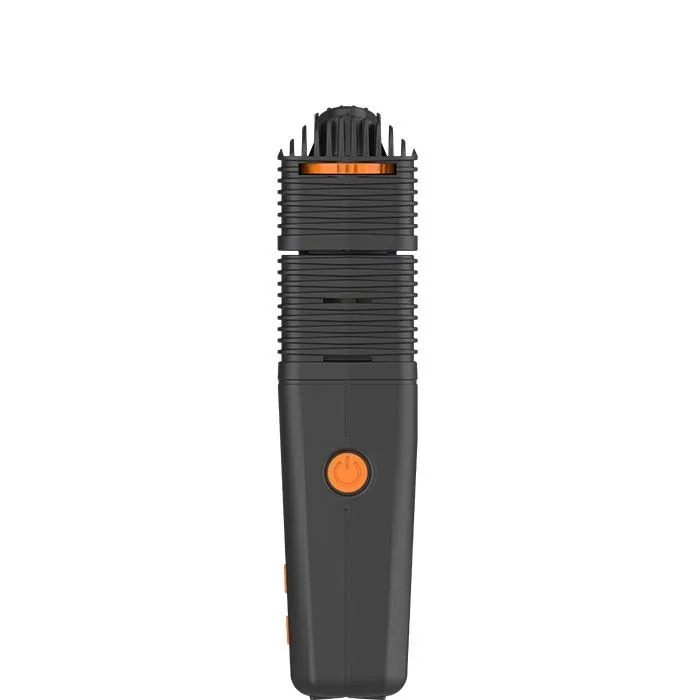
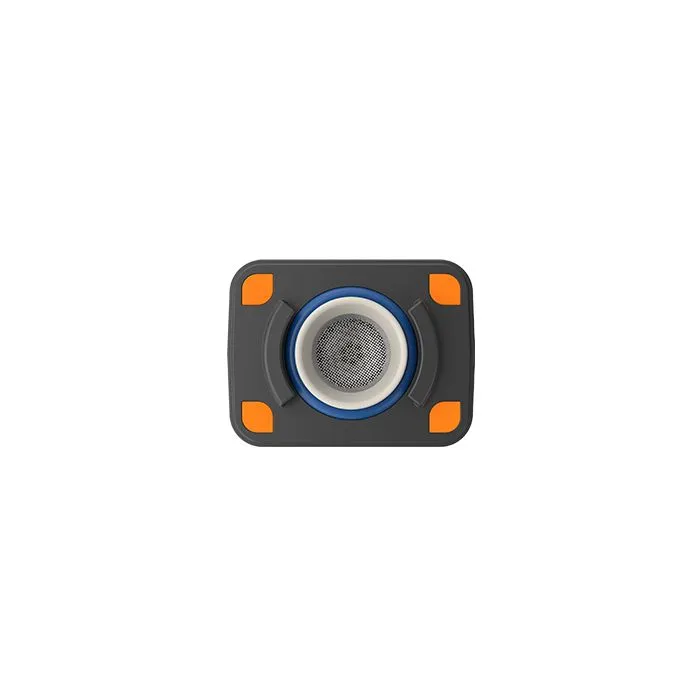

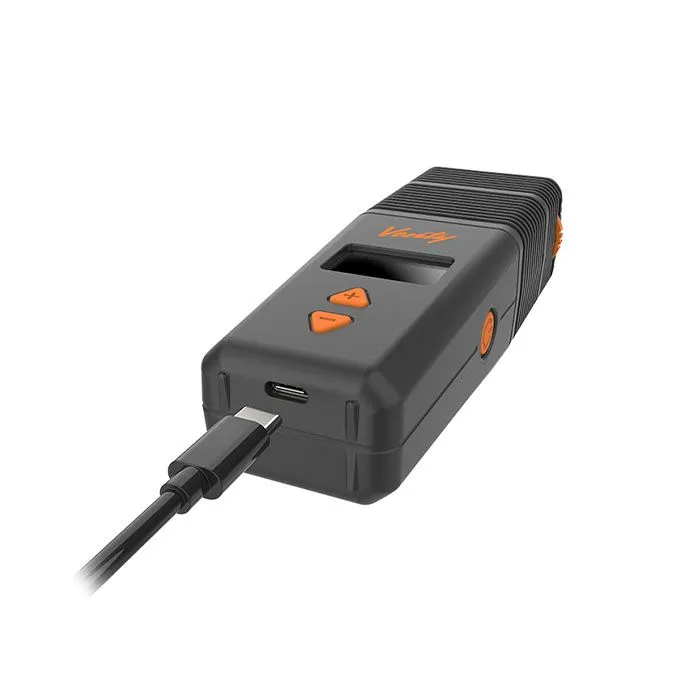
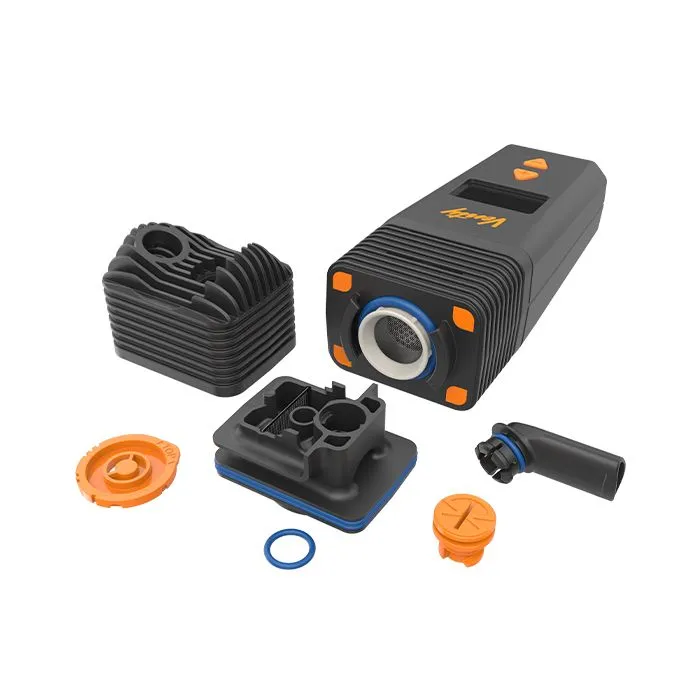
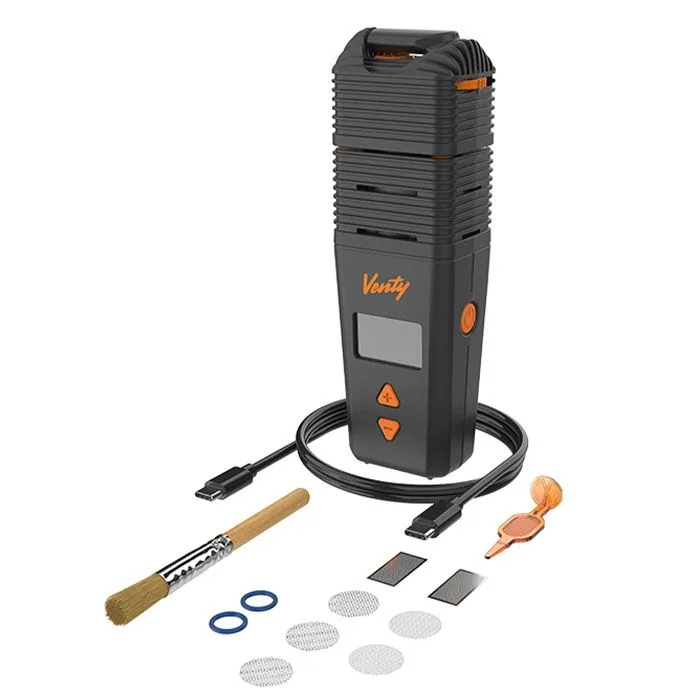
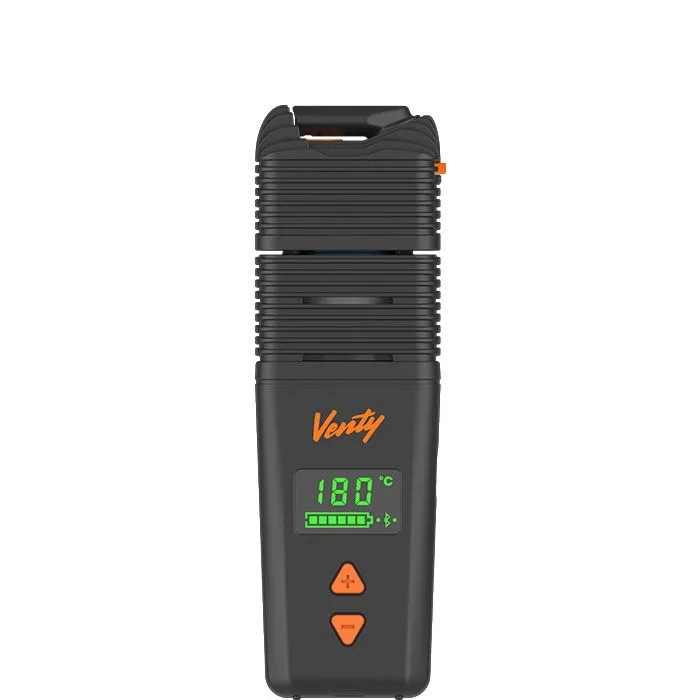
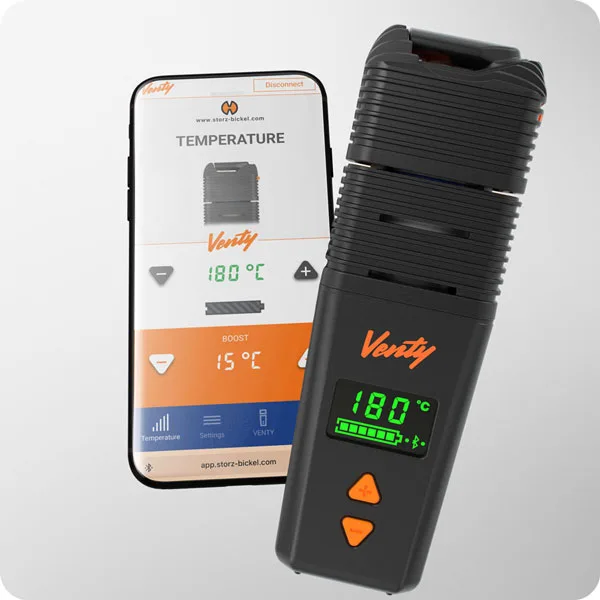
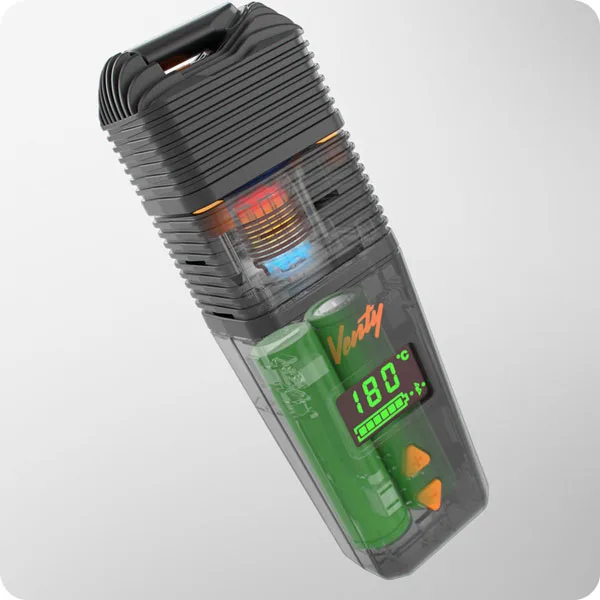
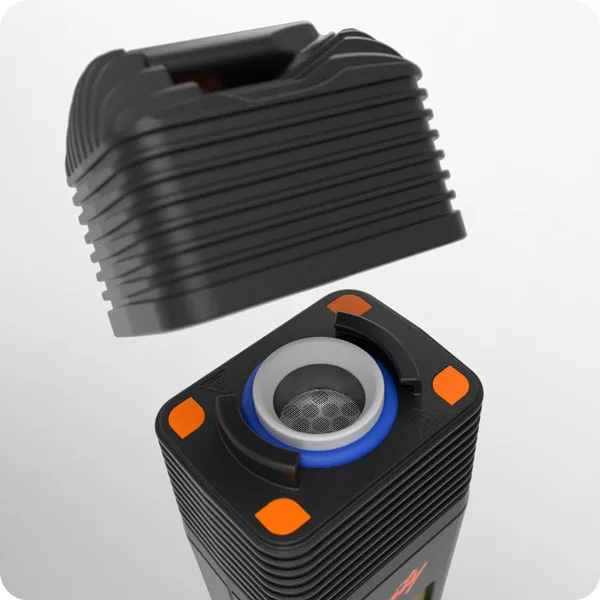
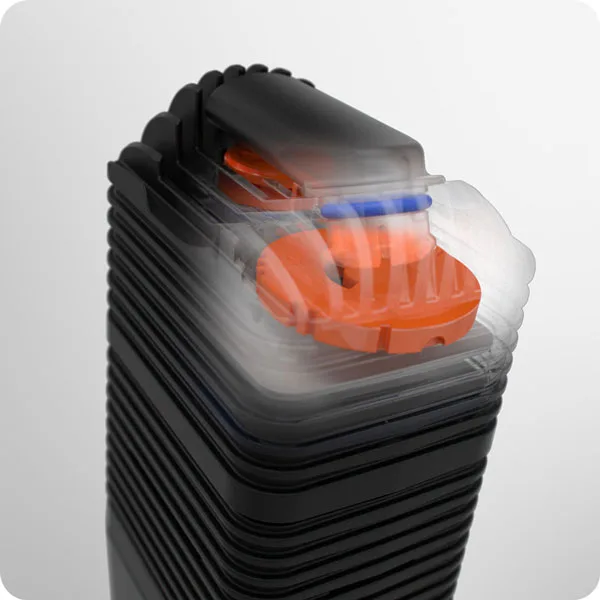
Storz & Bickel Venty
Vaporizer of the Year 2024
Best Price
303,54
€
Available at TVape US +30 Shops
Get notified for free when the price drops
Current Best Prices
Air MAX Guides & Niches
- Cleaning & Care
- Battery Charging Tips
- Temperature Settings
- Herb Prep & Grind
- Glasmundstücke Guide
- How to Use — Getting Started
- Microdosing
- Troubleshooting & Error Messages
- Frequently Asked Questions (FAQ)
- Review & Long-Term Test
- Air MAX vs Venty
- Air MAX vs Crafty+
- Air MAX vs Solo 3 V2
- Air MAX vs Mighty+
- Air MAX Alternativen
Does the glass mouthpiece fit directly onto a bong?
The standard mouthpiece fits 14 mm joints. Arizer offers an adapter for 18 mm joints.
How many sessions does the battery last?
With the 5000 mAh battery, 10–15 sessions are realistic, depending on the temperature and draw duration.
Best Price
121,43 €
Available at TVape US +19 Shops
Visit Shop
Comments
No comments yet. Be the first!
Sign in to comment