Butane Vaporizer for Beginners — The Complete Starter Guide 2026
Thinking about getting a butane vaporizer but not sure where to start? No worries. This guide walks you through it step by step — how these devices work, what to look for when buying, and how to get good results right from the start.
What Is a Butane Vaporizer?
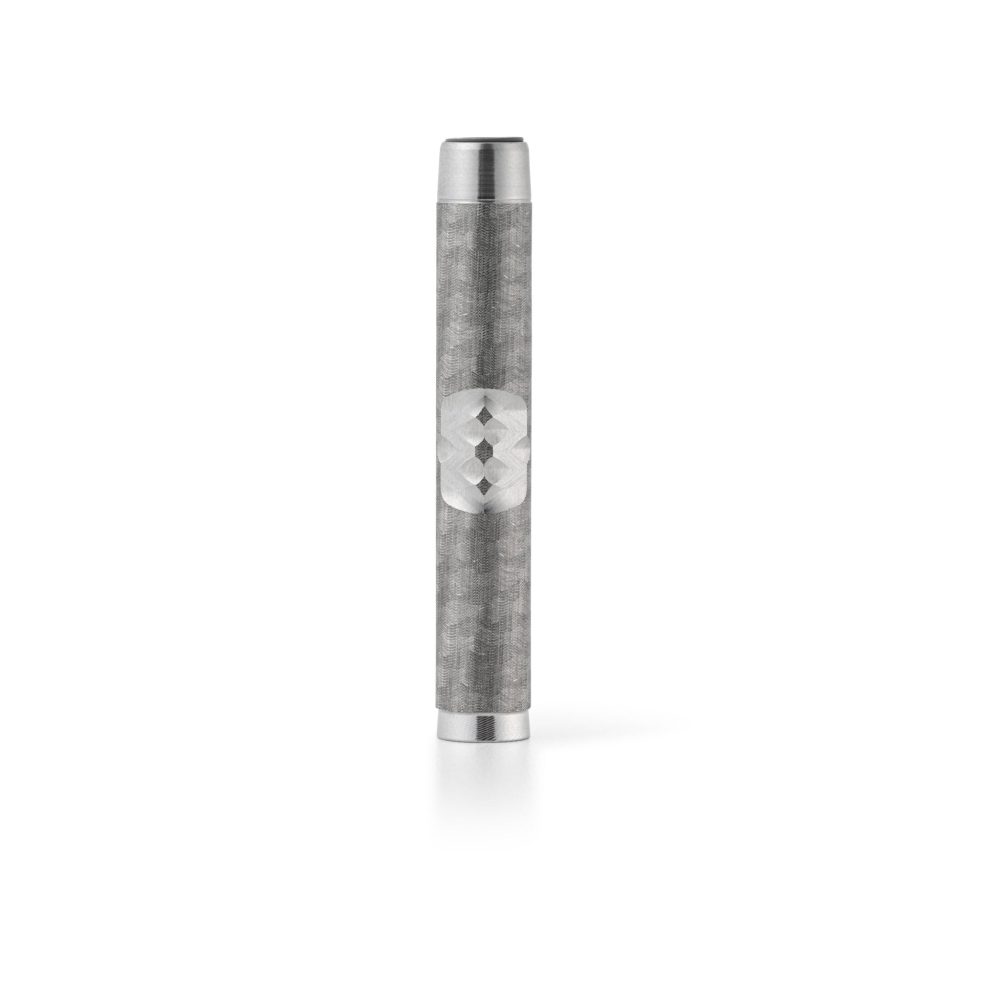
A butane vaporizer is a device that works without a battery or electricity. Instead of electronics, it uses the flame of a gas lighter as its heat source. You heat a metal chamber from the outside until your herbs vaporize inside — with no combustion involved.
That sounds simple, and at its core, it really is. But that simplicity is part of the appeal: no charging, no waiting for firmware updates, no worrying about a dead battery on the go. What you get instead is a direct, hands-on experience. You feel the heat, hear the click (on some models), and over time you learn to operate your device by feel alone.
Butane vaporizers have built a loyal following in recent years. Many users swear by the intense flavor and the instant readiness — from a cold device to the first draw, it rarely takes more than 10 seconds.
How Does the Technology Work?
The principle is similar across all butane vaporizers:
- Load your herbs — Pack finely ground material into a small chamber (the “oven” or “bowl”).
- Heat — With a jet lighter, you heat the outside of the chamber or cap. The heat transfers to the inner walls and warms the herbs evenly.
- Vaporize, don’t burn — At temperatures between 180 and 230 °C, the active compounds release from the plant material and form a fine vapor. Unlike smoking, there’s no smoke from combustion.
- Inhale — You draw the vapor through a mouthpiece.
The key difference from smoking: combustion produces tar, carbon monoxide and hundreds of harmful substances. Vaporizing largely avoids these because the temperature is significantly lower. Studies show that vaporizing can reduce harmful byproducts by up to 95% compared to smoking.
The Right Lighter
With a butane vaporizer, the lighter is as much part of the gear as the device itself. It pays to choose well from the start.
Single-Flame Jet Lighter — The Go-To for Beginners
For starters, I recommend a single-flame jet lighter (one nozzle). Here’s why:
- More control: You can aim the flame precisely and dose the heat.
- Better flavor: Slower heating means more even vaporization.
- Less risk of combustion: With a single flame, you’re less likely to overheat the cap.
A double or triple-flame lighter heats faster but is less forgiving. That’s an option for later — stick with single-flame at first.
Soft Flame vs. Jet Flame
Short version: Get a jet lighter. A regular lighter flame (soft flame) technically works but takes ages and is useless in the wind. Jet flames are hotter, more directed and work fine outdoors.
Use Quality Butane Gas
Cheap lighter gas contains impurities that clog your nozzles. Buy filtered butane gas (at least triple-refined). It barely costs more and extends your lighter’s lifespan significantly.
Proven Lighter Brands
| Brand | Price Range | Key Feature |
|---|---|---|
| Honest | 5-10 EUR | Reliable, affordable, solid starter choice |
| Aomai | 3-8 EUR | Compact, popular as a backup |
| Vertigo | 10-20 EUR | Sturdy, good flame control |
First Steps with a DynaVap
The DynaVap is by far the most popular butane vaporizer for beginners. The following instructions are specifically for DynaVap devices, but the basics apply to other models too.
1. Pack the Bowl
Grind your herbs to a medium-fine consistency and fill the bowl (the tip of the DynaVap). Two golden rules:
- Don’t pack too tightly — air needs to flow through.
- Don’t overfill — the material should sit flush with the rim or slightly below.
A loosely packed bowl delivers better flavor. A tightly packed bowl produces thicker clouds but takes more experience.
2. Heat
Hold the flame on the lower third of the cap and rotate the DynaVap slowly between your fingers. Even rotation is the key to good vapor production.
After 5 to 10 seconds, you’ll hear a clear click — that’s a small bimetallic disc inside the cap telling you: the right temperature has been reached.
3. Inhale
Once you hear the click, remove the flame and draw slowly and steadily on the mouthpiece. The DynaVap has a small hole on the side (the “airport”):
- Cover the airport = more resistance, thicker vapor
- Leave the airport open = airier draw, milder flavor
- Alternate = opening and closing the airport during a draw gives the best results
4. Wait for the Cool-Down Click
After inhaling, the cap cools down and you’ll hear another click. Only reheat after this second click. Heating again before it clicks risks combustion.
5. What to Expect
On the first heat cycle, you often get very little visible vapor. That’s normal — the flavor is still there. From the second cycle onward, the vapor gets thicker and warmer. Most users get 3 to 5 cycles per bowl.
Common Beginner Mistakes
Almost everyone makes the same mistakes at first. Here are the five most common ones — and how to avoid them:
1. Heating Too Close to the Cap Tip
If you aim the flame at the tip of the cap instead of the middle or lower third, it clicks too early. The herbs aren’t hot enough yet and you barely get any vapor. Fix: Aim the flame at the lower third of the cap.
2. Ignoring the Cool-Down Click
The number one cause of burnt material: you reheat right after inhaling without waiting for the cool-down click. The cap is still hot, the next heat cycle pushes it too far — and you taste burnt popcorn instead of herb flavor. Fix: Be patient. Always wait for the second click.
3. Drawing Too Hard
Many beginners pull on the DynaVap like a cigarette — hard and fast. That doesn’t work here. The strong airflow cools the chamber down and you get less vapor. Fix: Draw slowly and steadily, like sipping through a straw.
4. Overpacking the Bowl
An overstuffed bowl blocks airflow. No airflow, no vaporization. Fix: Use a little less material and keep it loose.
5. Using a Regular Lighter
Yes, it technically works with a BIC lighter. In practice, it takes three times as long, doesn’t work in the wind at all and soots up the cap. Fix: Get a jet lighter. They start at 5 EUR.
The Best Starter Models
DynaVap M7
The gold standard among butane vaporizers. With its seventh generation, DynaVap’s M series has nailed it: sturdy stainless steel body, tactile click feedback and a price that stays fair. If you only want to buy one device to find out whether butane vaporizers are your thing — this is the answer.
DynaVap B / B2
Even more affordable than the M series and still fully capable. The body is plastic instead of metal, which makes the device lighter and keeps the heat away from your lips. Perfect if you want to test the waters on a small budget.
DynaVap G3
For everyone who values flavor above all. The glass body delivers pure, unaltered vapor and looks good while doing it. A bit more fragile than the metal models, but in a different league flavor-wise.
Sticky Brick Runt
A completely different concept: instead of a small cap, you heat an airstream that flows through a wooden block with a glass chamber. Bigger bowl, stronger effects, but also a steeper learning curve. For anyone who wants a bit of adventure from day one.
What Else You Need
Besides the vaporizer itself, a few things round out your setup:
- Jet lighter — see above. Best to buy two right away (one as a backup).
- Storage — DynaVap offers matching tubes and cases. Any small tube or container works too.
- Cleaning supplies — Isopropyl alcohol (at least 90%), cotton swabs and pipe cleaners. A quick clean once a week is enough.
- Grinder — An herb grinder with a medium grind setting. Too fine clogs the screen, too coarse vaporizes unevenly.
Comparison Table: Top 5 Starter Models
| Model | Price (approx.) | Difficulty | Flavor | Key Feature |
|---|---|---|---|---|
| DynaVap M7 | 80-95 EUR | Easy | Very good | Best all-rounder, stainless steel |
| DynaVap B2 | 35-50 EUR | Easy | Good | Most affordable entry |
| DynaVap G3 | 90-110 EUR | Easy | Excellent | Glass body, pure flavor |
| Sticky Brick Runt | 110-140 EUR | Medium | Very good | Wood, large bowl, hard-hitting |
| DynaVap VonG | 80-100 EUR | Easy | Very good | Water pipe compatible |
Prices vary by shop and promotions. You can find current prices in the price comparison on vapochecker.com — comparing deals from over 77 shops across 23 countries.
Conclusion
A butane vaporizer is the most direct path to vaporizing: no charging, no waiting, no technical fuss. All you need is the device, a good lighter and a few minutes of practice. The learning curve is manageable — after three or four sessions, you’ll have the hang of it.
My recommendation for getting started: grab a DynaVap M7 or, if budget is tight, the B2. Add a single-flame jet lighter and quality butane gas. That’s all you need.
And if you want to know where to get your preferred model at the best price: on vapochecker.com you’ll find the current price comparison with offers from all across Europe.
Current Prices