Vaporizing vs. Smoking: Which Is Healthier, Cheaper, and Better?
Current vaporizer prices from 77 shops across 23 countries.
How does a vaporizer work?
A vaporizer heats plant material to a temperature where active compounds evaporate — but below the point of combustion. The typical range is 170 to 210 °C. When you smoke, the burning tip reaches 800-900 °C.
The key difference: no combustion means no tar, no carbon monoxide, and far fewer carcinogens. The material gets extracted gently instead of destroyed. What remains is dry and brown — not charred.
There are different types: portable battery-powered vaporizers, desktop units for home use, and butane vaporizers heated with a torch lighter. Check our beginner guide for a full overview.
Health: fewer toxins when vaporizing
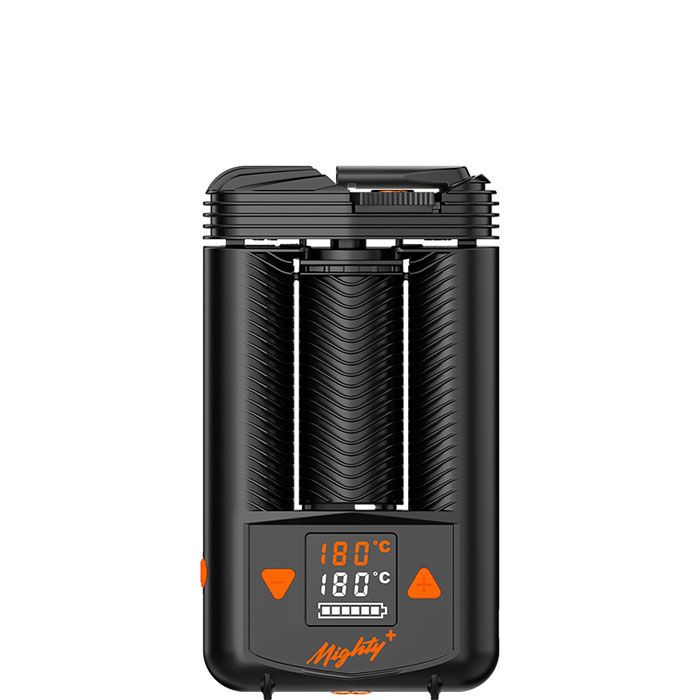
The strongest argument for a vaporizer is toxin reduction. Burning plant material creates hundreds of chemical compounds — many of them toxic or carcinogenic. Tar, carbon monoxide, benzene, toluene, and hydrogen cyanide are just a few.
Vaporizing paints a different picture. A widely cited study by California NORML and MAPS found that vaporizer vapor contains around 95% fewer toxic compounds than smoke. Research published in the Journal of Cannabis Therapeutics showed similar results.
What does that mean in practice?
- No tar: Tar only forms during combustion. A vaporizer produces none.
- No carbon monoxide: CO comes from incomplete combustion and strains the cardiovascular system.
- Less irritation: Many users report less coughing and throat irritation after switching.
- Fewer carcinogens: Most cancer-causing substances form at the high temperatures of smoking.
Important: Less harmful does not mean harmless. Long-term studies on vaporizing are still limited. Not inhaling anything is the safest option. But for people who consume herbal material anyway, a vaporizer appears to be a significantly less harmful alternative based on current evidence.
Cost: is a vaporizer worth it financially?
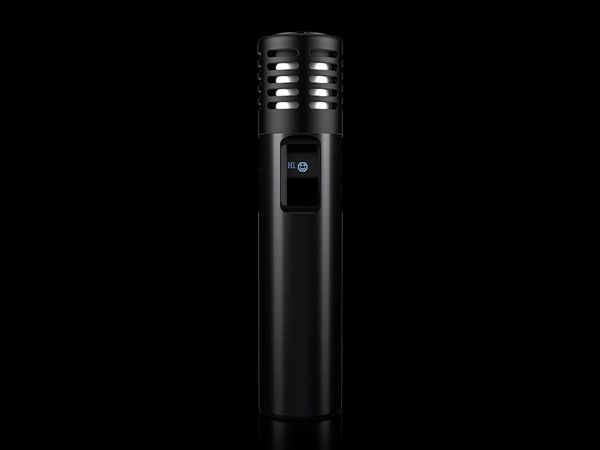
A vaporizer costs money — no question. Entry-level devices like the XMAX V3 Pro run about 68 €, premium models like the Venty cost 349 €. Accessories and replacements may add to that.
But the math tips in favor of the vaporizer quickly:
- 30-40% less material use: A vaporizer extracts active compounds more efficiently than a flame. You get more from the same amount of material.
- Example calculation: Someone using 1 g daily who switches to a vaporizer saves roughly 0.3 g per day at 30% efficiency gain. At 10 € per gram, that is 3 € per day — 90 € per month.
- Break-even: An XMAX V3 Pro at 68 € pays for itself in less than a month.
Long-term, a vaporizer is almost always cheaper. The upfront cost is the biggest barrier, but it pays off fast. Check our price comparison for current deals.
Flavor and effect
This is where vaporizing really shines. Once you taste the full flavor from a vaporizer, many people never want to go back.
Terpenes — the aromatic compounds in plant material — evaporate at low temperatures (from ~157 °C). Smoking destroys most of them. A vaporizer preserves them.
The result: you actually taste the individual aromas of your material. Floral, fruity, earthy, spicy — these nuances get completely lost in smoke.
Temperature also lets you control the effect:
- 170-180 °C: Light, clear, more energizing. Good for daytime.
- 185-195 °C: Balanced middle ground. Good vapor, moderate effect.
- 200-210 °C: Stronger, more relaxing. Denser vapor, less flavor.
This fine control is impossible when smoking. You only get one temperature: the burning tip.
Smell: more discreet than smoking?
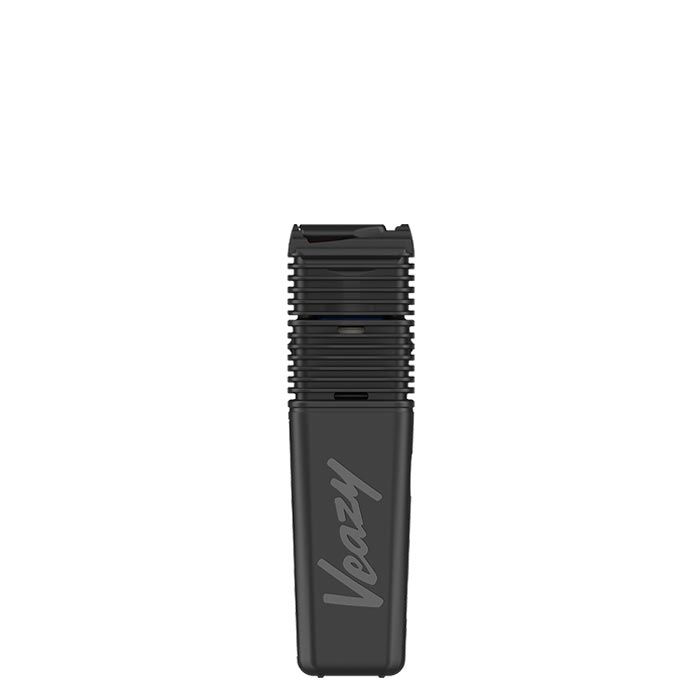
Short answer: yes, by far.
A vaporizer produces vapor, not smoke. The difference for your nose is significant:
- Less odor: Vapor smells weaker than smoke. Indoors, the difference is massive.
- Dissipates faster: While smoke clings to walls, furniture, and clothes, vapor disappears within minutes.
- No yellowed walls: Smoke leaves residue on surfaces. Vapor does not.
- Clothes smell less: After a vaporizer session, there is barely a trace. After smoking — definitely noticeable.
A vaporizer is not odor-free. There is a faint scent during use. But compared to smoking, it is night and day.
Disadvantages of vaporizers
An honest comparison needs to cover the downsides too. Vaporizers are not the right choice for everyone.
- Learning curve: Especially with butane devices like the DynaVap M7, you need 3-5 sessions to get the technique down. Electronic devices are easier, but still take a bit of getting used to.
- Upfront cost: 60-350 € is an investment. For occasional users, the break-even takes longer.
- Cleaning: Brush the chamber every 5-10 sessions. A thorough clean with isopropyl alcohol every 2-4 weeks takes 5-10 minutes.
- Battery management: Portables need charging. Forget to charge and you are stuck. Devices with replaceable batteries (like the XMAX V3 Pro) solve this.
- Slower ritual: Session vaporizers need 5-10 minutes per load. On-demand devices are faster.
- Different mouthfeel: Vapor feels different from smoke — less harsh, less “full”. Some switchers miss that at first.
Comparison table: vaporizer vs. smoking
| Category | Vaporizer | Smoking |
|---|---|---|
| Temperature | 170-210 °C | 800-900 °C |
| Toxic compounds | ~5% | 100% |
| Material efficiency | ~80-90% | ~50-60% |
| Smell | Low, dissipates fast | Strong, lingers |
| Taste | Full flavor profile | Masked by smoke |
| Cost long-term | Lower (30-40% savings) | Higher |
| Convenience | Needs charging/heating | Instant |
FAQ
Is vaporizing healthier than smoking?
Research suggests that vaporizing releases up to 95% fewer toxic compounds than smoking. No tar and no carbon monoxide are produced. It is not risk-free, though — it is significantly less harmful, not harmless.
How much money can I save with a vaporizer?
Since a vaporizer extracts material more efficiently (up to 30-40% less consumption), you save money long-term. At 1 g per day, an entry-level device often pays for itself within a few weeks.
Does a vaporizer produce smell?
Yes, but much less than smoking. Vapor dissipates faster and leaves almost no residue on clothes or furniture.
Which temperature is best?
It depends on the desired effect. 170-180 °C for a lighter, energizing experience with full flavor. 200-210 °C for a stronger, relaxing effect with denser vapor.
How does vaporizing feel compared to smoking?
Vapor is smoother and cooler than smoke. The effect kicks in similarly fast but is often described as clearer and more nuanced. Some users find the transition unfamiliar at first but adjust quickly.
What is the best vaporizer for former smokers?
Devices with fast heat-up and simple controls make switching easier. The Mighty+ or XMAX V3 Pro are popular entry points. Learn more in our beginner guide.
Conclusion
A vaporizer is not a miracle device — but for most people who consume herbal material, it is the better alternative to smoking. Fewer toxins, more flavor, lower costs over time. In exchange, you need some patience when switching and a willingness to maintain your device.
Ready to make the switch? Our beginner guide covers the best devices to start with. Not sure which type suits you? The interactive buying guide helps in 2 minutes. And for on-the-go use, check our portable recommendations.
All prices are updated daily — find current deals in the price comparison.