- Entourage effect: Cannabinoids + terpenes work synergistically
- Myrcene: 168°C, sedating, enhances THC
- Limonene: 176°C, uplifting, stress relief
- Linalool: 198°C, calming, anti-anxiety
What Are Terpenes and How Does the Entourage Effect Work?
Terpenes are the aromatic compounds responsible for the characteristic scent and taste of plants. In cannabis and herbs, over 200 different terpenes have been identified, each with unique properties. When vaporizing, terpenes play a crucial role as they vaporize at different temperatures and contribute to the so-called entourage effect.
What is the Entourage Effect?
The entourage effect describes the synergistic interaction between cannabinoids and terpenes. Research by Dr. Ethan Russo (2011) shows that terpenes can modulate the effects of cannabinoids. Myrcene, for example, can enhance the sedative effect of THC, while limonene provides mood-lifting properties. This interaction explains why different strains with similar THC content can produce completely different effects.
The Most Important Terpenes and Their Boiling Points
Myrcene (168°C): The most common terpene in cannabis, with an earthy, musky aroma. It has relaxing and sedative properties and is found in mangoes and hops.
The following figure shows the chemical structures of the most important cannabis terpenes:

As the structural formulas show, these are relatively simple hydrocarbon compounds that nevertheless produce complex interactions in the body.
Limonene (176°C): Citrus-fresh scent, known for mood-lifting and stress-reducing effects. Occurs in citrus fruits and peppermint.
Linalool (198°C): Floral, lavender-like aroma with calming and anxiety-relieving properties. A main component of lavender oil.
Beta-Caryophyllene (160°C): Peppery, spicy scent. Unique among terpenes as it can also bind to CB2 receptors. Found in black pepper and cloves.
Alpha-Pinene (155°C): Fresh, pine-like aroma. Known for alertness-promoting and bronchodilating properties. Main component of pine resin.
Optimal Temperatures for Terpene Preservation
Since terpenes vaporize at lower temperatures than most cannabinoids, a stepwise temperature increase is recommended. Start at 160-170°C to first release the volatile terpenes. In this range, you get the full aromatic profile and the lighter effects. Gradually increase to 180-190°C for balanced extraction.
Scientific Studies on the Entourage Effect
A study published in Frontiers in Neurology (2018) examined the interaction of CBD with various terpenes and found significant synergistic effects in treating epilepsy. The research suggests that full-spectrum extracts with natural terpene profiles are more effective than isolated cannabinoids.
Dr. Russo’s research, published in the British Journal of Pharmacology, demonstrates that myrcene can enhance the permeability of the blood-brain barrier, potentially increasing the bioavailability of cannabinoids. Beta-caryophyllene shows anti-inflammatory properties through its interaction with CB2 receptors.
Practical Application in Daily Use
To optimally utilize the entourage effect, pay attention to the complete terpene profile when choosing your herbs. Different strains offer different terpene combinations, each creating unique effects. A high myrcene content indicates relaxing properties, while limonene-rich strains may be more stimulating.
Storage plays a crucial role in terpene preservation. Light, heat, and oxygen are the greatest enemies of volatile aromatic compounds. Use airtight containers made of dark glass and store your herbs cool and dry. This way, valuable terpenes remain preserved for weeks and you benefit from the full entourage effect.
The Role of Terpenes in Modern Research
Current research projects are investigating the isolated effects of individual terpenes as well as their combinations. The University of Jerusalem is conducting studies on the anxiolytic effects of linalool, while research teams in Colorado are analyzing the influence of beta-caryophyllene on inflammatory markers. This basic research will lead to more targeted applications in the long term.
For vaporizer users, this means: choosing the right temperature and suitable plant material becomes increasingly important. Learn about the terpene profiles of your preferred strains and experiment with different temperature levels to find your personal optimal setting. The interplay of science and practical application makes vaporization a precise and efficient method.
Terpene Preservation Through Temperature Control
The key to maximizing terpene benefits lies in precise temperature control. Each terpene has an optimal vaporization window where it releases fully without degradation. Starting your session at lower temperatures (around 160°C) captures the most volatile terpenes like pinene and myrcene. As you gradually increase temperature, you unlock the fuller spectrum of both terpenes and cannabinoids.
Modern vaporizers with digital temperature displays make this process significantly easier than older analog devices. The ability to set exact temperatures allows users to create personalized profiles for different times of day or desired effects. Morning sessions might focus on energizing terpenes like limonene and pinene at lower temperatures, while evening sessions could emphasize the sedating properties of myrcene and linalool at slightly higher settings.
Strain Selection and Terpene Profiles
Understanding terpene profiles helps in selecting the right strain for your needs. Indica-dominant strains typically contain higher concentrations of myrcene, contributing to their relaxing effects. Sativa-dominant strains often feature more limonene and pinene, which may explain their more uplifting character. However, it is important to note that the indica/sativa classification is less important than the actual terpene and cannabinoid content.
When purchasing herbs, look for lab-tested products that list their terpene profiles. This information allows you to make informed decisions based on the specific effects you are seeking. Some dispensaries and vendors now provide detailed terpene analysis alongside cannabinoid percentages, giving consumers unprecedented insight into what they are actually consuming.
The Future of Terpene Research
Scientific interest in terpenes continues to grow as researchers explore their therapeutic potential beyond cannabis. Studies are investigating how terpene-cannabinoid combinations might be optimized for specific medical conditions. This research could lead to more targeted formulations that harness the full power of the entourage effect for therapeutic applications.
Maximizing Terpene Benefits in Practice
Implementing terpene-focused vaporization requires attention to detail but rewards users with enhanced experiences. Always start sessions at the lowest effective temperature for your material, typically around 160-165°C. This initial phase releases the most delicate terpenes that would be destroyed at higher temperatures. Take slow, controlled draws to avoid overheating and preserve these volatile compounds.
Consider keeping a journal of your sessions noting temperature, strain, and subjective effects. Over time, patterns emerge that help identify which terpene profiles align best with your desired outcomes. This personalized approach transforms vaporization from simple consumption into a refined practice that fully leverages the entourage effect for optimal results.
The entourage effect represents a frontier of cannabis science with implications extending beyond recreational use. Medical researchers are particularly interested in how terpene-cannabinoid combinations might be optimized for specific conditions. As this research matures, expect to see more targeted products designed to leverage specific entourage effects for therapeutic applications. For now, understanding and applying terpene knowledge enhances every vaporization session.
Boiling Points of Major Terpenes
Each terpene vaporizes at a specific temperature. Understanding these thresholds allows you to optimize your vaporization experience based on desired effects.
Boiling Point Reference Table
| Terpene | Boiling Point | Aroma | Effects |
|---|---|---|---|
| Pinene | 155°C (311°F) | Pine, forest | Alertness, memory |
| Caryophyllene | 160°C (320°F) | Pepper, spicy | Anti-inflammatory |
| Myrcene | 167°C (333°F) | Earthy, musk | Relaxation, sedation |
| Limonene | 177°C (351°F) | Lemon, citrus | Mood, anti-anxiety |
| Linalool | 198°C (388°F) | Lavender, floral | Calm, sleep |
| Humulene | 198°C (388°F) | Hops, woody | Appetite suppressant |
| Terpinolene | 186°C (367°F) | Fresh, herbal | Antioxidant |
| Ocimene | 150°C (302°F) | Mango, sweet | Antifungal |
Temperature Strategies
Based on your goals, you can adapt your vaporization temperature:
Between 160-175°C (320-347°F), you get light terpenes with energizing effects and maximum flavor. The 175-190°C (347-374°F) range offers an optimal balance between flavor and effects. At 190-210°C (374-410°F), you achieve complete extraction with more pronounced effects and denser vapor.
Medical Applications of Terpenes
Terpenes are not just aromatic compounds — they possess documented therapeutic properties.
Ongoing Clinical Research
| Terpene | Application | Research Status |
|---|---|---|
| Limonene | Cancer (animal study) | Promising results |
| Caryophyllene | Chronic pain | Clinical trials ongoing |
| Linalool | Anxiety | Efficacy demonstrated |
| Pinene | Inflammation | Preclinical studies |
| Myrcene | Insomnia | Traditional use validated |
Synergy with Cannabinoids
In a medical context, the terpene-cannabinoid combination offers several advantages:
The entourage effect allows results with reduced THC doses. Certain terpenes attenuate unwanted side effects, and different terpene profiles can be tailored to different conditions, enabling a more personalized approach.
“Terpenes represent an untapped pharmacological goldmine, offering therapeutic potential that extends far beyond their aromatic properties.”
– Dr. Ethan Russo, Frontiers in Pharmacology, 2019
Strain Selection Based on Terpenes
Rather than relying solely on the indica/sativa dichotomy, many connoisseurs choose their strains based on their terpene profile.
For Relaxation and Sleep
Look for strains rich in:
Strains with dominant myrcene like Granddaddy Purple, Blue Dream, and OG Kush work well, as do those where linalool is present such as Lavender, LA Confidential, and Amnesia Haze. Terpinolene adds a “heavy body” effect that deepens relaxation.
For Energy and Creativity
Prioritize:
Look for limonene-dominant strains like Super Lemon Haze, Tangie, and Durban Poison, or those with pinene present such as Jack Herer, Blue Dream, and Strawberry Cough. For daytime use, avoid myrcene-heavy profiles that can cause drowsiness.
For Pain Management
Opt for:
Strains high in caryophyllene like OG Kush, Sour Diesel, and Chemdawg are a good starting point. When myrcene is present, it adds muscle relaxant effects. Combining these terpene profiles with CBD maximizes the anti-inflammatory benefit.
For Anxiety Relief
Seek out:
Limonene improves mood while linalool provides a calming effect. Avoid strains that are very high in THC without CBD, as these may worsen anxiety rather than relieve it.
Optimizing Vaporization for Terpenes
Vaporization is the ideal consumption method to fully enjoy terpenes, as controlled temperatures preserve these delicate compounds.
Progressive Vaporization Technique
To sequentially extract different compounds:
Begin at 160–175 °C (320–347 °F) for volatile terpenes, maximum flavor, and light effects. Then increase to 175–190 °C (347–374 °F) to release the main cannabinoids with balanced effects. Finally, push to 190–210 °C (374–410 °F) for complete extraction and maximum effects.
Terpene Preservation Tips
Terpenes evaporate quickly, so always store your material in cool, dark conditions. Grind just before use to preserve aromas. A humidity rate of 58-62% preserves terpenes best, and glass jars with Boveda packs provide the ideal storage environment.
Recommended Vaporizers for Terpene Enthusiasts
Convection vaporizers generally preserve terpenes better:
The Storz & Bickel Crafty+ and Mighty+ offer precise control and flavorful vapor. The Tinymight-2/" class="vc-product-autolink">Tinymight 2 uses pure convection for excellent flavor preservation. The Arizer Solo 2 features a glass air path for clean taste, and the Firefly 2+ provides on-demand heating for fresh hits every time.
Related Articles
Medical Relevance of the Entourage Effect
Current research shows that the entourage effect is therapeutically highly relevant:
For pain relief, terpenes like myrcene significantly enhance the analgesic effects of cannabinoids. Limonene and linalool work synergistically with CBD to enhance anxiety-relieving effects. β-Caryophyllene directly activates CB2 receptors, providing anti-inflammatory benefits without psychoactive effects. Certain terpene combinations also show neuroprotective properties in studies.
These findings have important implications for medical users: full-spectrum products may be more effective at the same cannabinoid dose than isolates.
Scientific Figures
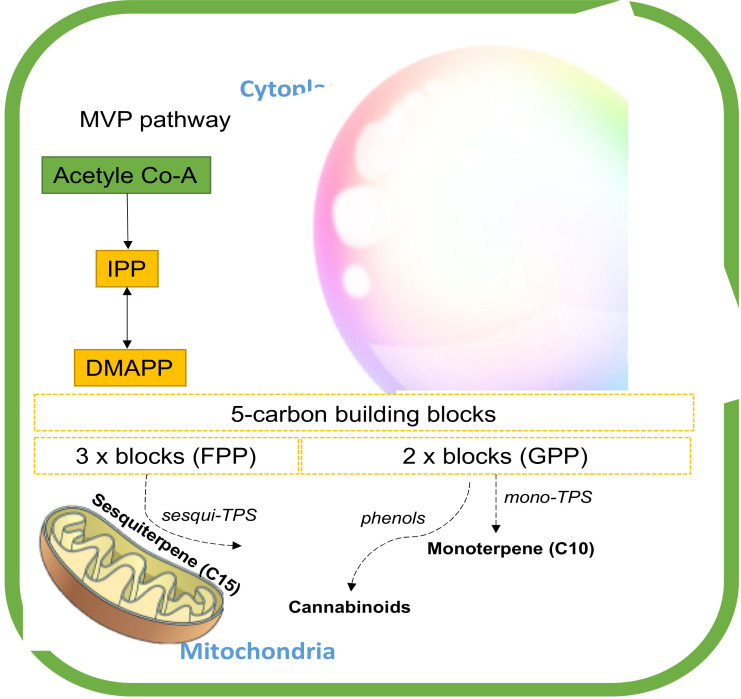
The following figures from peer-reviewed studies illustrate important aspects of the entourage effect:
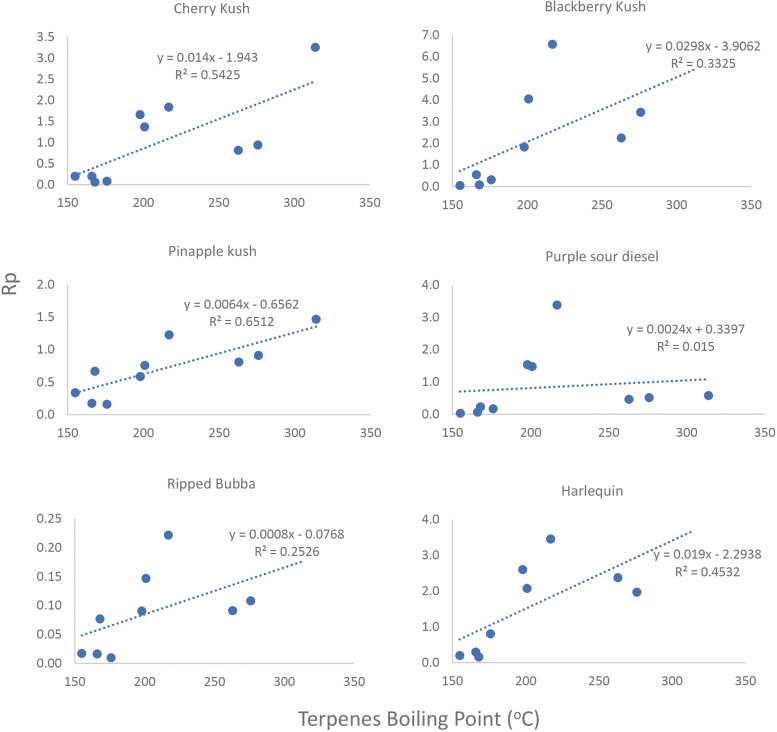
Quelle: Eyal et al. (2023), Molecules, CC-BY 4.0
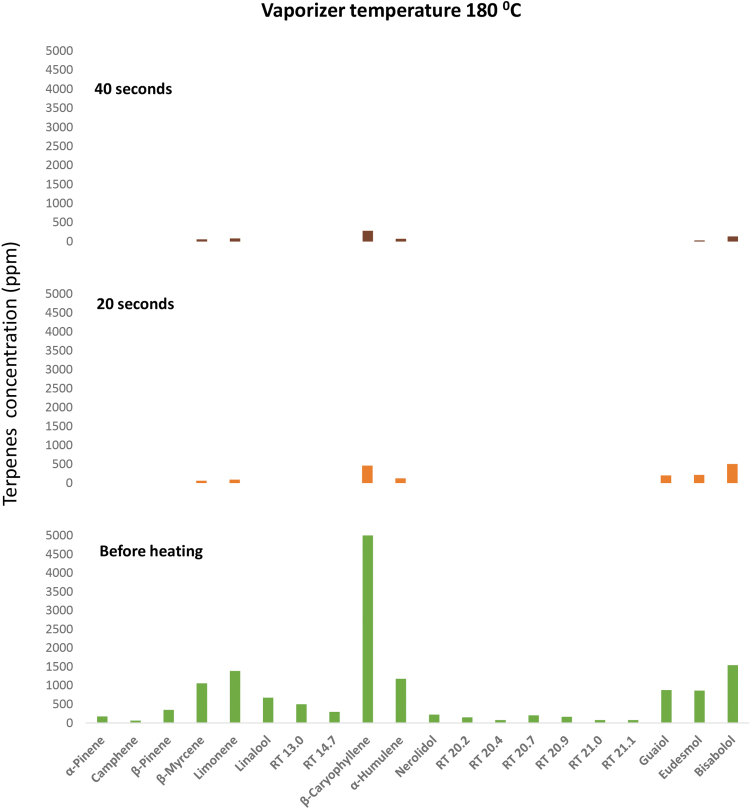
Quelle: Eyal et al. (2023), Molecules, CC-BY 4.0
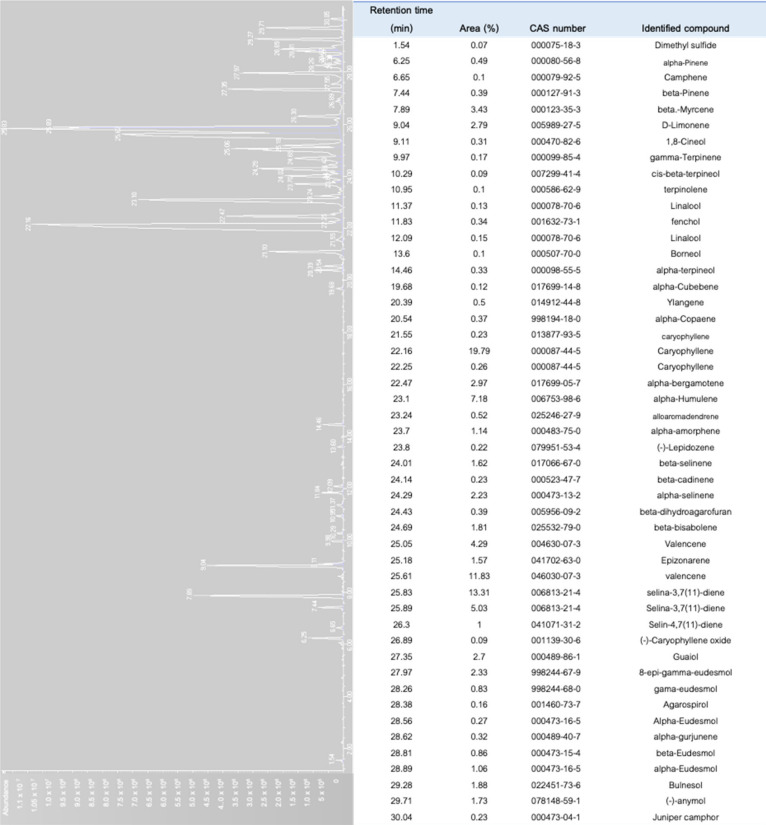
Quelle: Sommano et al. (2020), Molecules, CC-BY 4.0
Terpenes and Temperature Control
Precise temperature control of a vaporizer allows users to selectively release specific terpenes. Each terpene has a specific boiling point at which it vaporizes and produces its effects. By adjusting the temperature, users can customize their vaporization experience.
At low temperatures between 160-180°C, mainly volatile terpenes like pinene and limonene are released. These provide a fresh, clear taste and can have energizing effects. Medium temperatures of 180-200°C additionally release linalool and myrcene, leading to a more balanced effect.
Higher temperatures above 200°C activate heavier terpenes like caryophyllene and humulene. These temperatures produce denser vapor clouds and a more intense body effect. However, at very high temperatures, there is also a risk that some sensitive compounds may be destroyed.
Scientific Studies on the Entourage Effect
Scientific research on the entourage effect has made significant progress in recent years. Studies show that terpenes not only influence taste but can also modulate the absorption of cannabinoids in the body.
Researchers have found that certain terpenes can affect the blood-brain barrier, which changes the bioavailability of cannabinoids. Myrcene, for example, can increase the permeability of cell membranes, enabling faster and more efficient absorption.
Further investigations suggest that terpenes also possess independent therapeutic properties. Linalool shows anxiolytic properties in laboratory studies, while beta-caryophyllene is the only terpene that can bind directly to CB2 receptors.
Practical Tips for Vaporizer Users
To fully harness the potential of terpenes, vaporizer users should follow some basic guidelines. The quality and freshness of the material plays a crucial role, as terpenes are volatile and evaporate over time.
Proper storage in airtight containers at cool temperatures helps preserve the terpene profile. Excessive heat or light exposure can degrade terpenes and impair both taste and effects.
Gradually increasing the temperature during a session allows users to experience different terpene layers one after another. Start with low temperatures for light terpenes and gradually increase for a full spectrum experience.
Related Glossary Entries
Scientific Sources
- Russo, E. B. (2011). Taming THC: potential cannabis synergy and phytocannabinoid-terpenoid entourage effects. British Journal of Pharmacology, 163(7), 1344–1364. PubMed 21749363
- Gertsch, J. et al. (2008). Beta-caryophyllene is a dietary cannabinoid. Proceedings of the National Academy of Sciences, 105(26), 9099–9104. PubMed 18574142
- Sommano, S. R. et al. (2020). The Cannabis Terpenes. Molecules, 25(24), 5792. PubMed 33302574
Related Articles: Cannabinoid Boiling Points · Extracts & Concentrates · Cannabis Botany · Best Convection Vaporizers
Frequently Asked Questions
What are terpenes?
Terpenes are aromatic molecules produced in the trichomes of cannabis plants. They determine smell and taste while influencing effects together with cannabinoids (entourage effect).
At what temperature do terpenes vaporize?
Most terpenes vaporize between 150 and 220 °C. Myrcene starts at 167 °C, limonene at 176 °C, linalool at 198 °C. Lower temperatures emphasize flavor, higher ones the effects.
What is the entourage effect?
The entourage effect describes the synergistic action of terpenes and cannabinoids. Together they produce a stronger and more nuanced effect than isolated individual substances.
{“@context”:”https://schema.org”,”@type”:”FAQPage”,”mainEntity”:[{“@type”:”Question”,”name”:”What are terpenes?”,”acceptedAnswer”:{“@type”:”Answer”,”text”:”Terpenes are aromatic molecules produced in the trichomes of cannabis plants. They determine smell and taste while influencing effects together with cannabinoids (entourage effect).”}},{“@type”:”Question”,”name”:”At what temperature do terpenes vaporize?”,”acceptedAnswer”:{“@type”:”Answer”,”text”:”Most terpenes vaporize between 150 and 220 °C. Myrcene starts at 167 °C, limonene at 176 °C, linalool at 198 °C. Lower temperatures emphasize flavor, higher ones the effects.”}},{“@type”:”Question”,”name”:”What is the entourage effect?”,”acceptedAnswer”:{“@type”:”Answer”,”text”:”The entourage effect describes the synergistic action of terpenes and cannabinoids. Together they produce a stronger and more nuanced effect than isolated individual substances.”}}]}