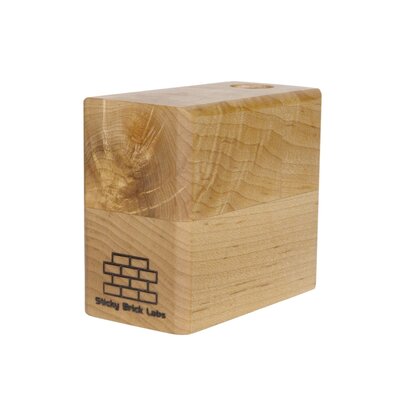
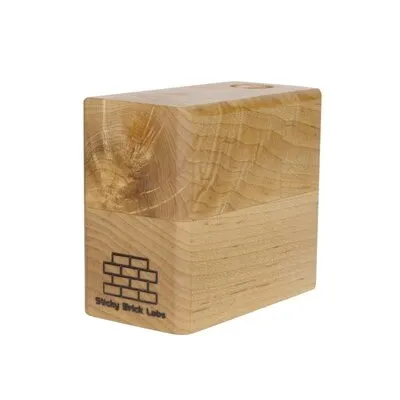
Sticky Brick HydroBrick Maxx
Pros
- Pure convection with flame technique.
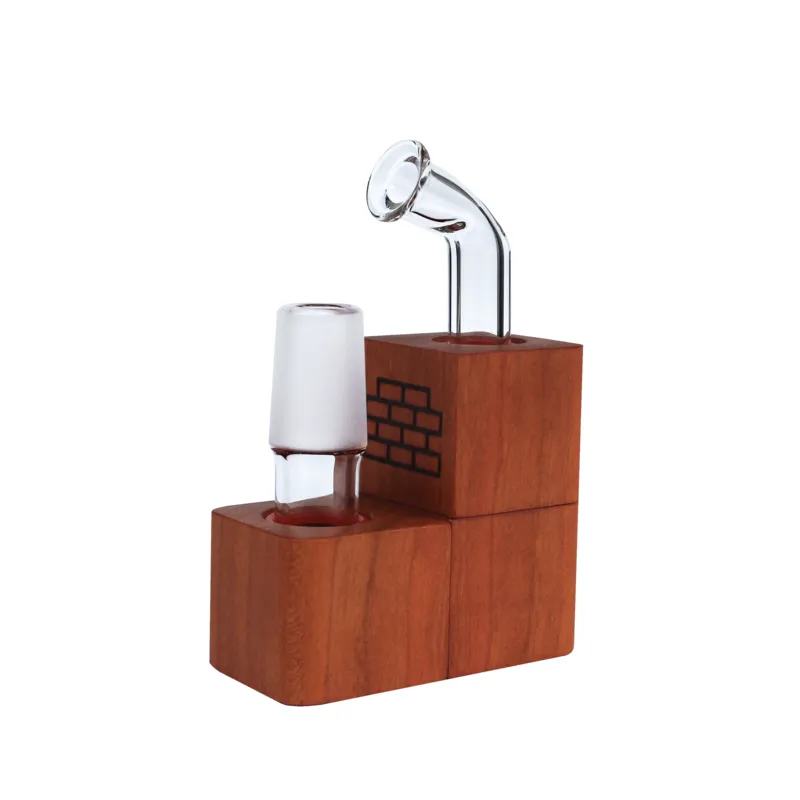
- Desktop with water pipe connection.
- Dosing caps for clean use.
- On-demand with quick draws in 4 s.
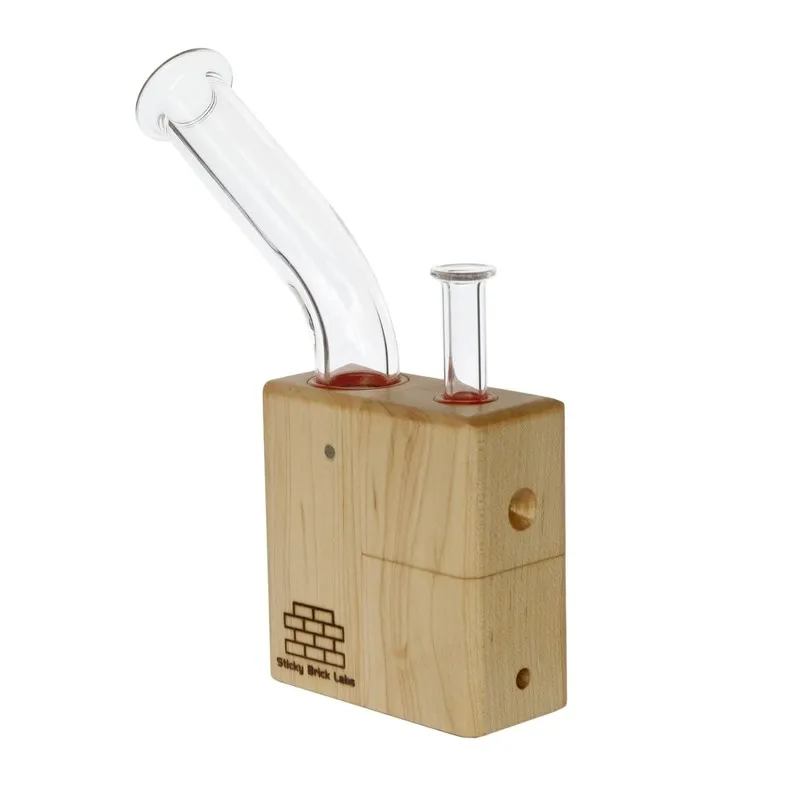
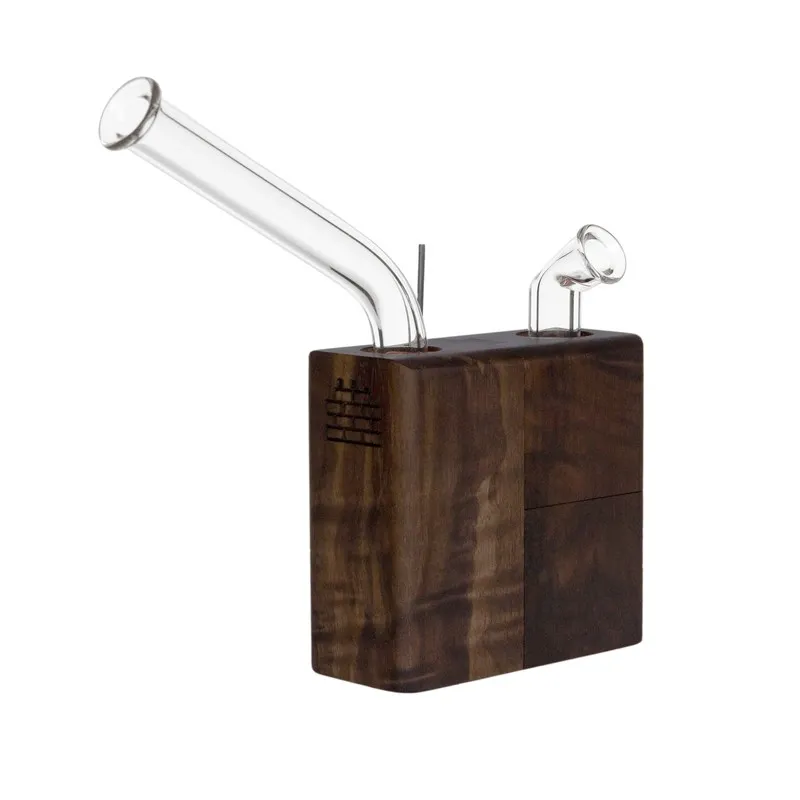
- Handcrafted from wood.
Cons
- Needs butane lighter to operate.
- 300 g, practical for stationary use only.
- No electronic temperature control.
Price Comparison (2 shops)
Last updated: 03/03/2026, 5:34 AM
Specifications
| Heating Method | Convection |
| Device Type | Butane Vaporizer |
| Power Source | Butane |
| Heat-up Time | 3 seconds |
| Weight | 355 g |
| Warranty | 99 years |
| Dosing Capsules | View dosing capsules |
| Water Pipe | View water pipe adapters |
| Session Mode | On-Demand |
| Temperature Control | Manual |
| Material | Dry Herb |
| Vapor Path | Glass |
| Replaceable Battery | No |
| Passthrough Charging | No |
| Charging Port | none |
Source: OfficialOfficial, OfficialOfficial, VapospyAggregator · Verified 20.02.2026
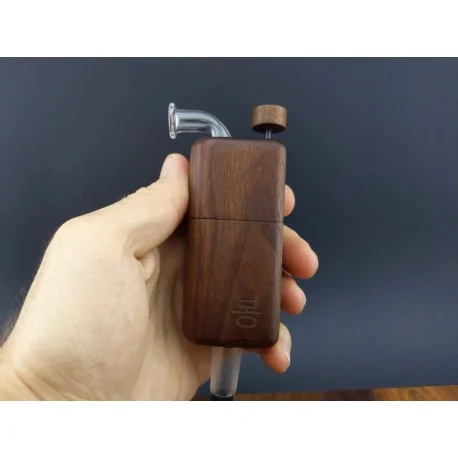
The Sticky Brick HydroBrick Maxx is a butane vaporizer designed specifically for water pipe use. Pure convection heating. Up to 230 C. Dosing capsules compatible. Handcrafted hardwood. Related to the Sticky Brick Maxx. Our price comparison shows deals.
See also: Flip Brick · Runt · OG Brick · Maxx
Built for Water Pipes
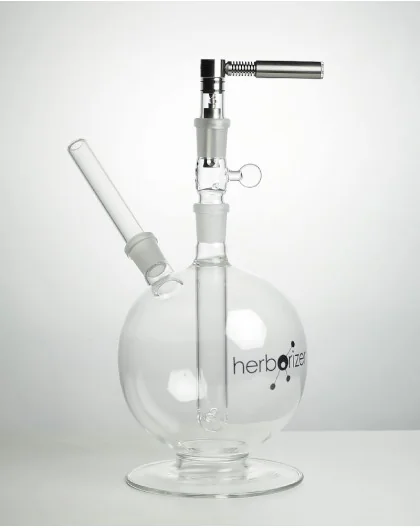
The HydroBrick Maxx was designed from scratch for bong use. The air path leads directly into the joint — no separate adapter needed. 14 mm and 18 mm joints fit. Water filtration cools the vapor and enables larger draws at high temps.
Butane Convection
Like all Sticky Brick devices, the HydroBrick Maxx uses pure convection. A butane torch sends hot air through a glass channel into the chamber. No flame touches the herb. Full terpene flavor preserved.
Dosing Capsules and Large Chamber
Dosing capsules simplify loading and keep the chamber clean. Without capsules, the chamber holds plenty for long sessions or group use. Cleaning is minimal with capsules.
Maxx vs. HydroBrick Maxx
The Sticky Brick Maxx is more versatile, working with or without water. The HydroBrick Maxx is the water specialist. Both share convection and hardwood craft but differ in air path design.


Comments
No comments yet. Be the first!
Sign in to comment