Camouflet, Vaphit, Lotus & Co
Everyone knows DynaVap. Sticky Brick has carved out its place. But the butane world has far more to offer than the usual suspects. There are manufacturers working out of small workshops, discussing prototypes in forums and producing devices that technically match the big names — or even surpass them in certain areas.
This article introduces five brands that fly under the radar: Camouflet, Vaphit, Lotus (now INHALE), Dreamwood and Lamart. Plus the Dani Fusion as a standalone device that doesn’t fit neatly into any category. If you’re looking for your second or third butane vaporizer and want something special, you’ll find it here.
Tip: Current prices for all devices mentioned can be found in the LIVE price comparison on vapochecker.com.
Why Niche Brands Are Worth a Look
The big butane manufacturers serve the mass market. That’s not a bad thing — DynaVap has brought millions of users into vaping. But small manufacturers can do things that would be impractical in mass production:
- Material experiments: Vaphit goes all-in on quartz. Dreamwood works with domestic woods. Camouflet uses modular stainless steel systems. Each manufacturer follows its own philosophy.
- Direct community engagement: Most of these brands grew out of forums and Discord servers. The developers read feedback directly from end users and often implement it within weeks.
- Specialization over compromise: Instead of building one device for everyone, niche manufacturers optimize for specific use cases. Microdosing, glass compatibility, maximum flavor fidelity — each brand has its focus.
The flip side: smaller production runs often mean longer wait times, fewer retailers and sometimes higher prices. But if you’re willing to look around, you’ll find devices with real character.
Camouflet — Modular System From Canada
Camouflet hails from Montreal and has made a name for itself with a cleverly designed building block system. All devices are based on the same core principle: a stainless steel heater that can be combined with various stems and adapters.
Convector
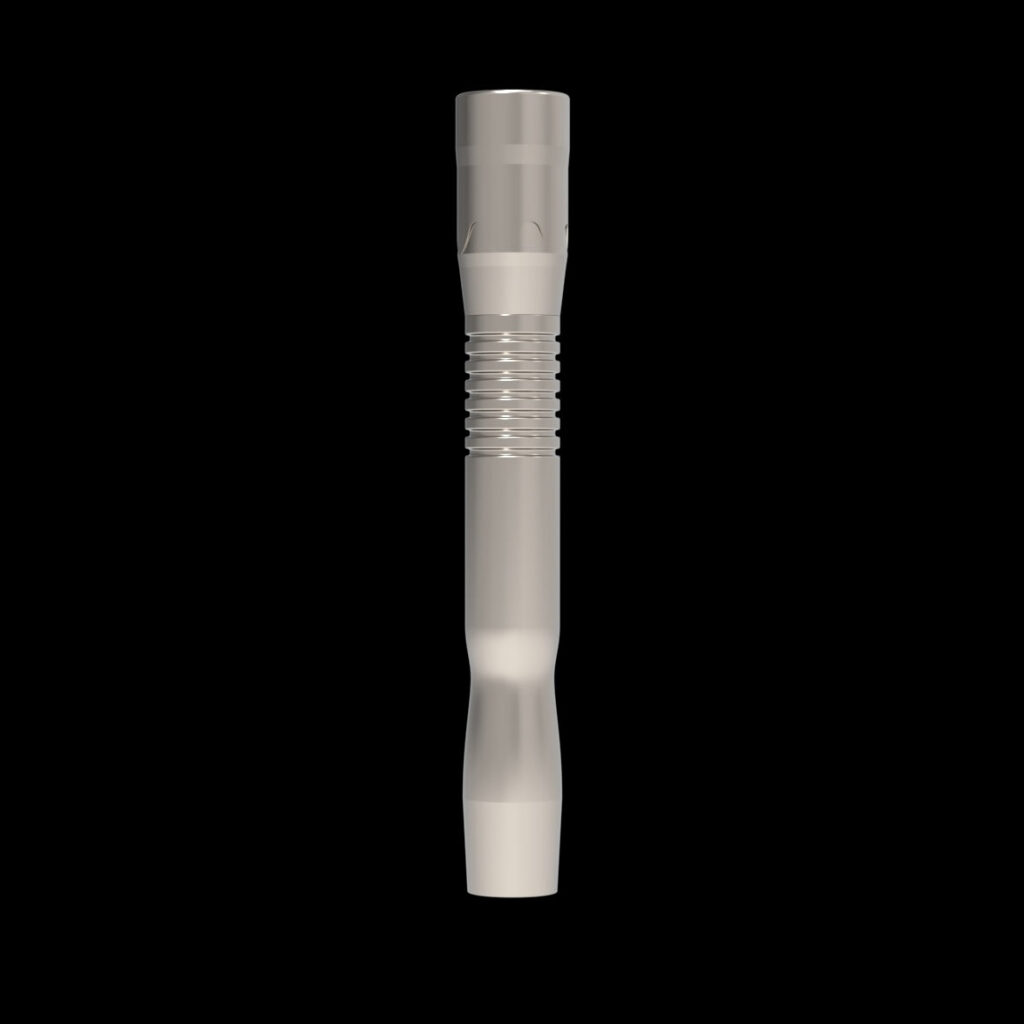
The centerpiece of the brand. The Convector is a compact convection heater in an 8mm format. It works with a stainless steel matrix that converts the flame of a jet lighter into even heat. The material is heated exclusively by hot air — no contact heat, no hybrid.
What makes the Convector special: the modular system. The heater fits onto various stems, water filter adapters and even third-party glass pieces. If you enjoy tinkering and experimenting, you’ll find Plenty to work with here. The vapor quality is flavorful and clean — typical of pure convection. Price-wise, the Convector sits at €120–160 depending on the configuration.
Convector XL
The larger variant brings an expanded heater matrix and a 14mm taper. That means more surface area for heat distribution and direct compatibility with 14mm glass attachments. The chamber holds more material, and the draw characteristics are more open than the standard Convector. If you primarily use the Convector with glass, go for the XL. Price-wise, it sits at €140–180.
Injector and Zooter
The Injector is the newest model in the Camouflet lineup and targets experienced users who want maximum control over the heat. The Zooter takes the opposite approach: as a budget option, it provides entry into the Camouflet system without an immediate three-figure investment. Both share the brand’s modular DNA.
Camouflet in one sentence: If you want a system that grows with you and are willing to invest some learning time, you’ll get one of the most versatile platforms in the butane segment.
Vaphit — Quartz Purism From the Community
Vaphit takes a radically different approach from most manufacturers. The central material is quartz — not as an insert or coating, but as the entire air path. The idea: quartz adds zero flavor of its own and withstands extremely high temperatures. What comes through is pure vapor with no material interference.
QOQ
The most popular model. The QOQ consists essentially of a quartz chamber with a helix stem — the spiral vapor path cools the vapor before it reaches your lips. The design is minimalist to the point of spartan. No wood, no metal in the air path, no moving parts.
Operation is straightforward: heat the quartz chamber with a jet lighter, load the material, draw. Heat control works through heating duration and flame distance. The learning curve is moderate — anyone who has already used a butane vaporizer will get the hang of it quickly.
The biggest advantage is the price. At €40–60, the QOQ is one of the cheapest convection vaporizers out there. For anyone wanting to try butane convection without much financial risk, it’s a solid choice.
HX
The HX expands the concept with an XL bowl and longer quartz caps. More chamber means more material per load, and the longer caps produce slightly cooler vapor. Price-wise, the HX sits at €50–70 — still remarkably affordable.
QHC
Another variant in the Vaphit lineup that implements the quartz concept in a slightly modified form. All three models share the same philosophy: as little material as possible between flame and vapor.
Vaphit in one sentence: The cheapest path to pure quartz convection — ideal for trying out or as a second device for the collection.
Lotus / INHALE — Retro Convection With Lid-Based Heating
The Lotus Vaporizer is one of the oldest butane designs still available today. Its principle differs from every other device featured here: instead of channeling the flame into a pathway, it’s directed against a perforated metal plate. The plate sits as a lid on the chamber. Heat penetrates through the holes and warms the material from above — evenly and in a controlled manner.
This has both advantages and disadvantages. The even heat distribution is excellent — hotspots are virtually nonexistent. However, you need a regular lighter (not a jet), which is often included in the package. The operation feels different from other butane vapes — more meditative than quick.
The Lotus is priced at €100–140 and is now sold under the name INHALE. The design hasn’t changed much. If you’re looking for an alternative to the “jet lighter into glass tube” approach, the Lotus is a proven outlier with a very loyal user base.
Lotus in one sentence: A butane vaporizer that feels like no other — slower, more controlled, with its own kind of ritual.
Dreamwood — Handcrafted Wood From Small-Batch Production
Dreamwood builds butane vaporizers from wood that visually resemble the Sticky Brick family but pursue their own designs. The devices are manufactured in small batches and rely on convection with a glass air path.
DLX
The DLX is the main model. A wooden block with an integrated glass channel that directs hot air through the herb chamber. The craftsmanship is clean, the wood feels good in the hand, and the vapor quality sits at the same level as other convection wood vapes. If you’re considering a Sticky Brick Junior, the DLX is worth having on your radar as an alternative.
Roasty
The Roasty is the simplified variant — less complexity, more direct operation. For users who want a straightforward wooden vaporizer without modular extras, the Roasty is a pragmatic choice.
Dreamwood in one sentence: Handmade wooden vaporizers for people who like the Sticky Brick principle but prefer a different aesthetic.
Lamart — DynaVap Accessories and Standalone Devices
Lamart has built its reputation as an accessory manufacturer for DynaVap, but also produces standalone butane vaporizers.
FLAM II
The FLAM II is a butane heater that’s compatible with DynaVap tips. You use the proven DynaVap chambers but heat them through the FLAM II instead of with a flame directly on the cap. This results in more even extraction than manual heating and turns the DynaVap into a true on-demand convection device.
PIRO
The PIRO is a completely standalone butane vaporizer from Lamart — not a DynaVap accessory, but its own device with its own chamber and heating system. If you like Lamart’s quality but don’t own a DynaVap, you can jump in directly here.
Lamart in one sentence: A bridge between the DynaVap world and standalone butane designs — particularly interesting for existing DynaVap users.
Dani Fusion 2.0 — The Lone Wolf
The Dani Fusion 2.0 doesn’t fit into any of the categories above. No brand system, no modular concept — simply a butane convection vaporizer that does its job. And does it pretty well.
The Fusion works with a jet lighter and delivers dense convection clouds that rival considerably more expensive devices in terms of vapor volume. The build quality is solid, the chamber is a decent size, and the learning curve is moderate. Price-wise, it sits at €80–120, placing it in the mid-range.
What users appreciate about the Dani Fusion: it hits hard. The extraction per draw is intense, almost aggressive at times. If you prefer gentle, slow sessions, keep that in mind. But if you value fast extraction with little material, you’ve found an underrated device.
Comparison Table — One Highlight Per Brand
Current prices for all models can be found on vapochecker.com — comparing deals from 77 European shops.
Which Device Is Right for You?
You want a system that grows with you?
> Camouflet Convector. Start with the base heater and expand as needed with stems, adapters and glass attachments. No other manufacturer offers this much flexibility.
You want to spend as little as possible while still getting real convection?
> Vaphit QOQ. Under €60 for a quartz convection vaporizer — you won’t find that anywhere else. Ideal as an entry point or as a secondary device for the collection.
You’re looking for something completely different from the typical butane vaporizer?
> Lotus. The lid method feels like its own ritual. If you’ve had enough of “flame into glass tube,” you’ll find a refreshing alternative here.
You like handcrafted wooden devices but don’t want a Sticky Brick?
> Dreamwood DLX. Similar principle, different aesthetic, smaller workshop. For people who value individuality.
You already own a DynaVap and want to enhance it?
> Lamart FLAM II. Transforms your existing DynaVap into a more consistent convection device. If you don’t have a DynaVap, check out the PIRO instead.
You want fast, intense extraction without the bells and whistles?
> Dani Fusion 2.0. No building block system, no extras — just a vaporizer that hits hard. Great for experienced users who know what they want.
Are Niche Brands Actually Worth It?
Short answer: yes, if you know what you’re looking for. DynaVap and Sticky Brick are popular for good reason — they’re widely available, well-documented and have massive communities. But if you already own a mainstream butane vaporizer and want to try something new, the brands featured here offer devices that outperform the well-known names in their respective specialties.
Vaphit delivers the purest flavor at the lowest price. Camouflet offers the most flexibility. The Lotus is unique in its operating philosophy. And the Dani Fusion surprises with its punch in an unassuming package.
A comprehensive comparison of all butane vaporizers — from DynaVap to Sticky Brick to the niche brands featured here — is available at the Butane Vaporizer Hub on vapochecker.com. Prices are continuously updated from 77 shops across 23 countries.
Last updated: February 2026. Prices and availability may vary by shop.
Historial de precios: Camouflet Convector
{“@context”:”https://schema.org”,”@type”:”FAQPage”,”mainEntity”:[{“@type”:”Question”,”name”:”What are niche butane vaporizers?”,”acceptedAnswer”:{“@type”:”Answer”,”text”:”Niche butane vaporizers like the Camouflet Convector, Vaphit, and Lotus are handcrafted devices from small manufacturers offering unique vaping experiences.”}},{“@type”:”Question”,”name”:”Are expensive butane vaporizers worth it?”,”acceptedAnswer”:{“@type”:”Answer”,”text”:”For enthusiasts, yes. Devices like the Camouflet Convector offer superior vapor quality, feel, and durability.”}},{“@type”:”Question”,”name”:”Camouflet Convector vs DynaVap — which is better?”,”acceptedAnswer”:{“@type”:”Answer”,”text”:”The Convector is significantly more expensive but offers purer flavor and stronger convection vapor. DynaVap is the better value for beginners.”}}]}