What are butane vaporisers and how do they work?
Butane vaporisers do not need a battery or a power socket. Instead, they heat the herb with the flame of a jet lighter or butane gas burner, which makes them independent of any power source.
At a glance
- M7 (from 62 €): hybrid, 7s, 21g, 2y
- V3 Pro (from 55 €): hybrid, 15s, 2600 mAh, 107g, 1y
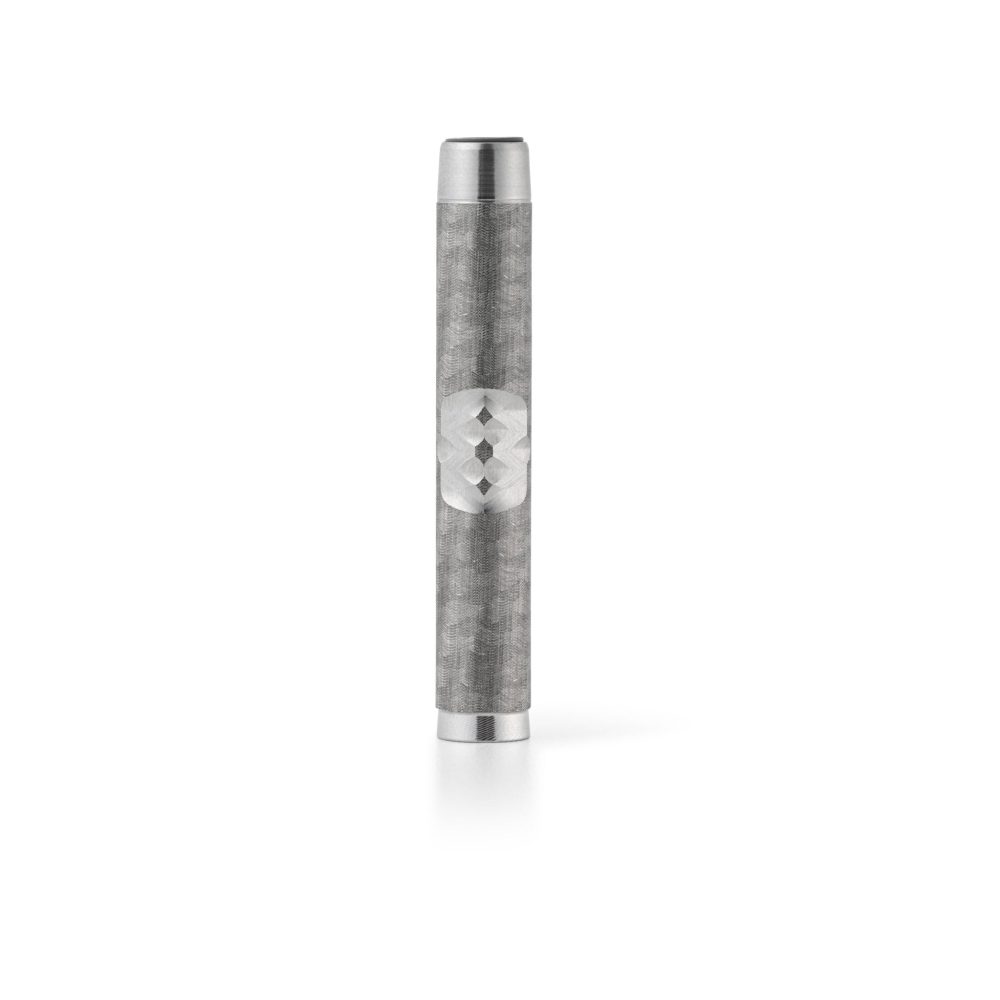
It sounds simple, but the results can be impressive. DynaVap in particular made the concept popular. You can find all current prices in the vaporiser price comparison.
Which butane vaporisers are the best?
| Model | Brand | Price from | Heat-up time | Battery | Special feature |
|---|---|---|---|---|---|
| Dynavap M Plus | DynaVap | ~75 EUR | ~5s | N/A | Best all-rounder, almost indestructible |
| Dynavap B | DynaVap | ~25 EUR | ~5s | N/A | Cheapest entry into the DynaVap system |
| Dynavap Vong | DynaVap | ~100 EUR | ~5s | N/A | Wooden body, water pipe compatible |
| Sticky Brick Junior | Sticky Brick Labs | ~120 EUR | ~3s | N/A | Strong draws, pure convection principle |
| Sticky Brick Runt | Sticky Brick Labs | ~140 EUR | ~3s | N/A | Desktop-like vapor in pocket format |
| Sticky Brick OG | Sticky Brick Labs | ~160 EUR | ~3s | N/A | Premium wood, best flavour |
| Vapman Classic | Vapman | ~150 EUR | ~8s | N/A | Swiss precision, ideal for microdosing |
| Lotus Vaporizer | Lotus | ~120 EUR | ~5s | N/A | Unique plate design |
| Dynavap Omni | DynaVap | ~180 EUR | ~5s | N/A | Titanium, adjustable airflow |
| VapCap Captive Cap | DynaVap | ~35 EUR | ~5s | N/A | Upgrade cap for a better click signal |
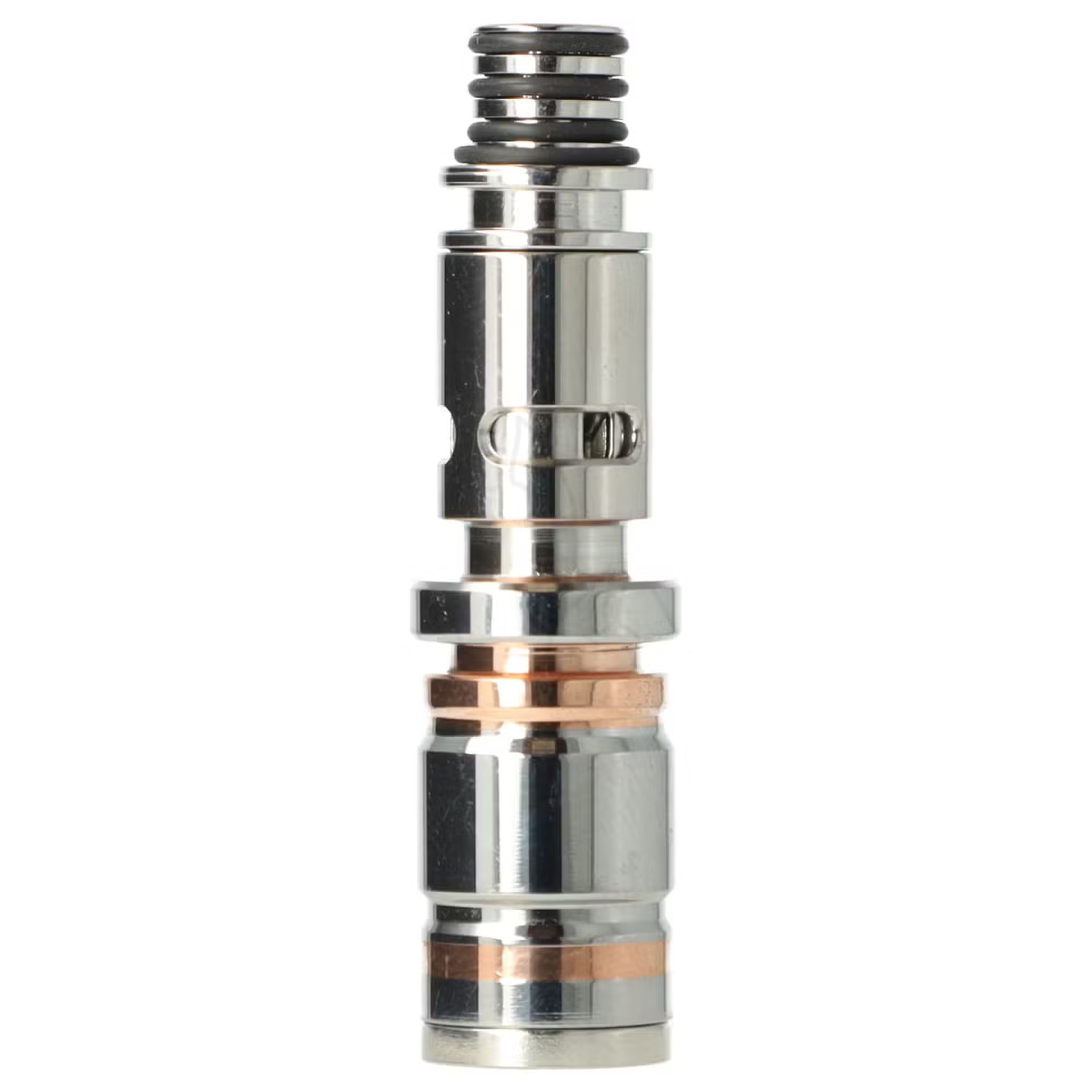
What matters in butane vaporisers?
Butane vaporisers appeal to a specific group: people who do not want to charge a battery, who want to be completely independent while out and about, or who simply appreciate the mechanical ritual. We have only included devices that can be bought in Europe and offer a genuine vapor experience, not mere burning.
Butane vaporisers are particularly suitable for experienced users who value flavour development and easy cleaning.
Frequently asked questions
How does a butane vaporiser work?
A jet-flame lighter heats the outer surface or a special heating plate of the vaporiser. The heat is then transferred indirectly to the herb without burning it directly. With the DynaVap, an audible click signal indicates when the right temperature has been reached.
Are butane vaporisers safe?
Yes, if used correctly. You need a jet lighter with butane gas and should keep the proper distance from the flame. The red-hot burn risk is minimal with correct handling and no greater than when cooking with a gas stove.
Butane gas or battery – which is better?
That is a matter of taste. Butane devices are cheaper to buy (in some cases), have no charging risk and theoretically last forever. Battery vaporisers are easier to use and offer more precise temperature control, however. Many users swear by both depending on the situation.
Do I need a special lighter?
Yes. Normal disposable lighters are not enough. You need a jet-flame lighter with butane gas (so-called cigar lighters). These are available from around 5 Euro in tobacconists or online.
btvl-16336
Heating correctly with a jet lighter
With the DynaVap M Plus, the Lotus or a Vapman, hold the jet flame 1–2 cm away from the cap and rotate the stem slowly. This spreads the heat evenly and you hear the tone of the metal before anything gets dark. Sticky Brick models such as the Runt want the flame to kiss the glass at the air intake so that only hot air, and no fire, touches the herbs.
Count deliberately: five to six seconds with a single-jet are enough for the M Plus, while with the Lotus you heat the nickel plate for around seven seconds until it glows a dull orange. Vapman reacts much faster; it is better to pulse the flame for two seconds at a time, otherwise the wood gets scorch marks.
Butane gas quality
Use triple- or quintuple-refined gas (Colibri, Newport, Vector) so the jets stay clean. Cheap refills leave oily residues that narrow the Sticky Brick intake and discolour the Vapman copper pan. Before every refill, bleed the lighter until you can no longer hear any hissing.
In cold weather, butane thickens, so carry the lighter in an inner pocket or keep a second canister ready. Anyone heating several DynaVap stems one after another ideally alternates between two lighters so the flame remains consistent.
Temperature control
It is better to play with distance and draw speed than with a maximum flame. For light vapor hits, stop with the DynaVap immediately after the first click; for denser clouds, wait until just after the second click — longer practically always leads to burnt spots. Lotus users watch the plate colour: as soon as it glows softly, the draw begins.
With the Sticky Brick, the air intake behaves like a manual PID. Start with a gentle flame, take a light draw, then increase both the flame and the draw speed for the second part of the session. With the Vapman, the mica shield immediately shows you whether it was too hot: if it turns dark, shorten your pulses.
Advantages outdoors
Butane vapes feel at home outdoors because they do not need batteries that falter in winter. A DynaVap or Lotus together with a small jet weighs less than a power bank setup and still works when temperatures fall below zero.
Sticky Brick and Vapman are perfect travel companions: no power adapter needed, no electronics to cause trouble at airport security. A small wind guard for the lighter and a spare screen are enough to get through an entire weekend.
DynaVap click system explained
On the DynaVap M Plus, the cap signals with a double click at around 190–200 °C. As soon as you hear the first click, you can draw; if you wait longer than the second click, the herb blend starts to char and the CCD screen warps.
Let the cap cool down completely until the third click sounds before reheating. If you want more heat, bring the flame closer to the end of the cap rather than waiting longer — this lets you use the temperature gradient without stressing the bimetal mechanism.
Conclusion
Anyone who masters flame distance, gas quality and timing turns the DynaVap M Plus, Sticky Brick, Vapman and Lotus into reliable daily drivers. Make a note of which lighter burns for how long and when you refill so you can reproduce your favourite draws.
This information belongs at the end before the “All comparisons” links: this is how you explain why a butane-powered setup deserves a fixed place in the best-of list despite modern battery-powered devices.
All comparisons
- Convection vaporisers
- Conduction vaporisers
- Hybrid vaporisers
- Desktop vaporisers
- Vaporizers under 100 Euro
- Pen vaporisers
- Vaporizer price comparison
Further articles
How have butane vaporiser prices developed?
Top products in the price comparison
Prices are updated daily
Are butane vaporisers safe?
Yes, when used correctly. The flame heats a heating system (metal cap, balls or ceramic), not the material directly. Combustion takes place in the gas, not in the herb. Quality jet-flame lighters offer the best control. You should avoid cheap normal-flame lighters.
Which butane vaporiser is best for beginners?
The DynaVap M7 offers the cheapest entry point (from 62 €) and has the largest community for tips and tricks. The click mechanism indicates when the right temperature has been reached. No guesswork, no learning curve.
Do I need an induction heater for a butane vaporiser?
No, but it is practical. An induction heater replaces the lighter with electrical induction. No gas, no hissing, no flame. Ideal for home use. When out and about, you stick with the jet-flame lighter. Most DynaVap models are IH compatible.
How long does a gas refill last?
A high-quality jet-flame lighter lasts for 50-200 heat-up cycles depending on its size. That corresponds to about 1-4 weeks with daily use. Refilling takes seconds and costs only a few cents. Butane gas in cans is available in every tobacconist’s.
Convection or conduction in butane vaporisers?
Most butane vaporisers use hybrid heating: the heated metal cap (conduction) transfers heat to the air flowing through it (convection). Pure convection devices such as the TEMPEST 2 deliver more even vapor, but they are more expensive and larger.
Has been testing and comparing vaporisers at VapoChecker since 2020. Over 800 devices, 274 shops, 51 countries.
Which butane vaporiser suits whom?
Choose butane gas if: you want instant heat-up time, no charging cables and the lowest entry price. Ideal for use on the go and for users who appreciate the manual ritual.
Choose a battery vaporiser if: you want easy operation, precise temperature control and consistent results. Ideal for everyday use at home.
Best butane entry: DynaVap M7 from 62 | Best battery entry: XMAX V3 Pro from 55