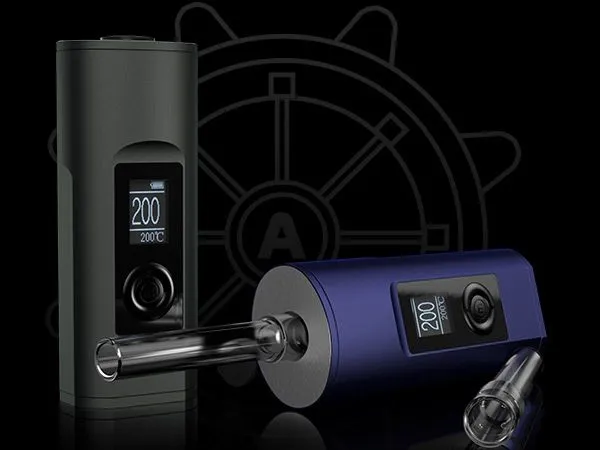
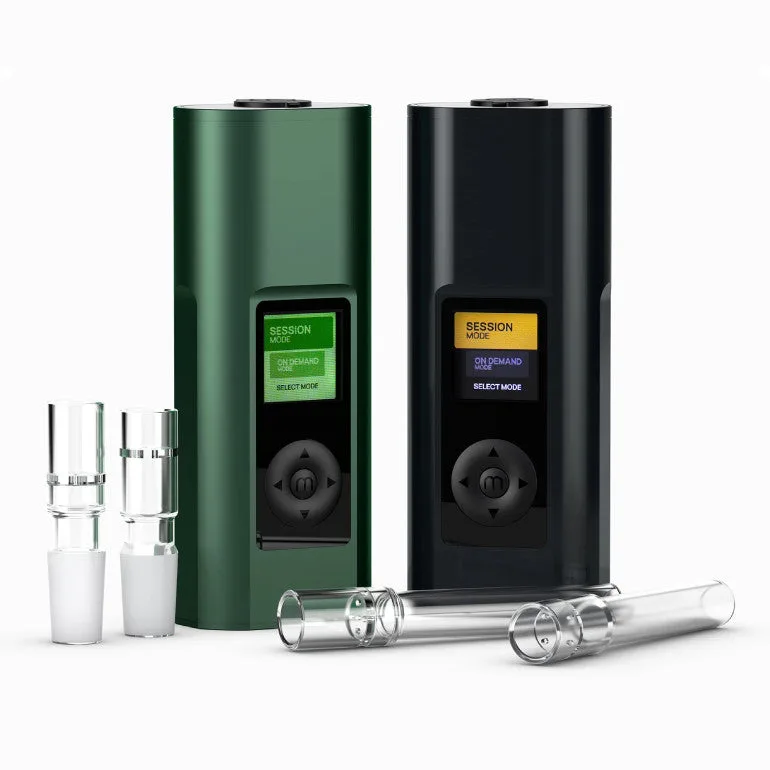
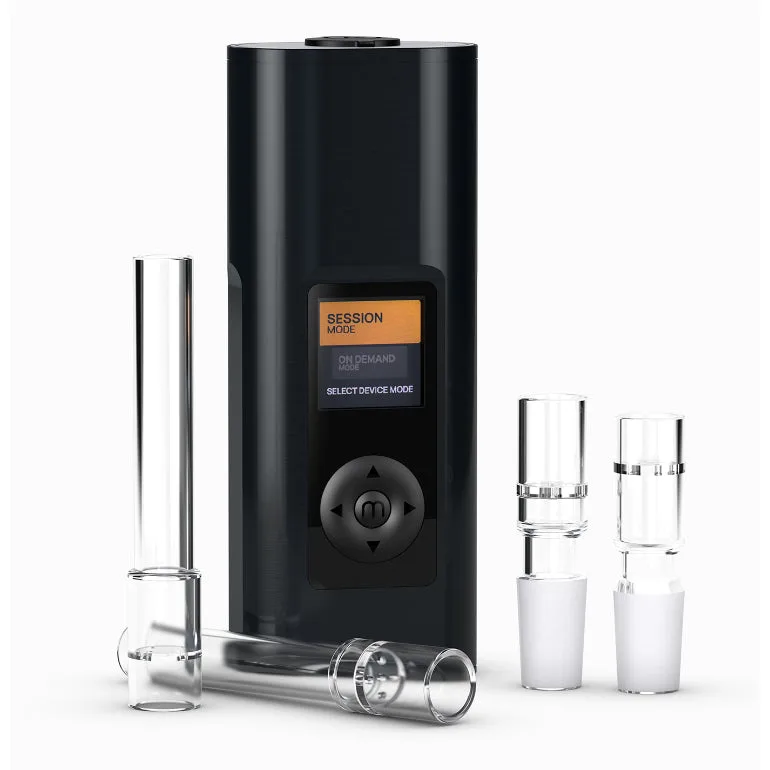
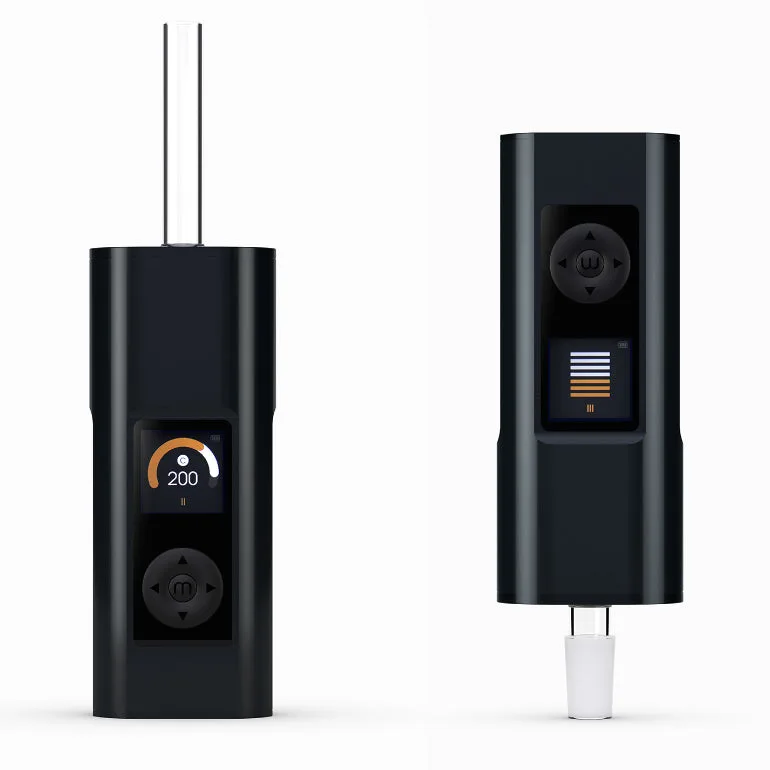
Pros
- All-glass vapor path – no plastic
- Water pipe compatible via glass aroma tubes
- Lifetime warranty
- Hybrid heating with convection-dominant design
- Wide temperature range (50–210°C)
- Proven, long-standing model
Cons
- 217g weight – heavier than typical portables
- Non-replaceable battery
- 90-second heat-up time
- Older model (Solo 2/Solo 2 MAX are newer)
Solo vs Air for the Solo. You can find the complete overview on the main page.
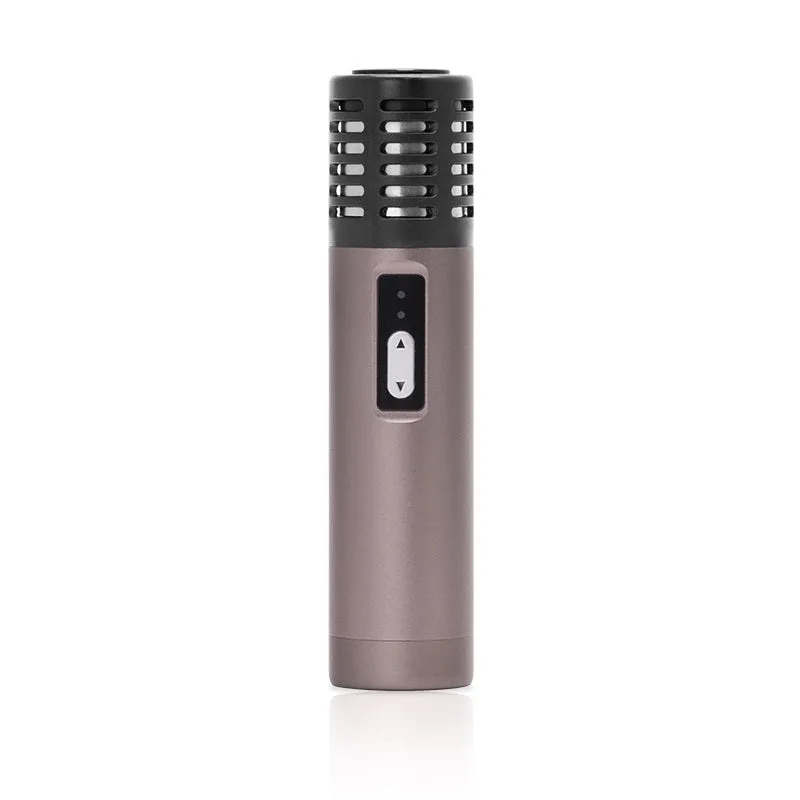
Quick answer for "Arizer Solo vs Air": we show which model fits which user type best.
Solo vs Air
Solo vs Air is a core practical topic for the Solo. Build a stable baseline with fixed temperature and airflow, adjust one variable per session, and keep short notes to find a reproducible setup.
Check draw rhythm, chamber fill, and cleaning intervals in a regular routine. Most quality gains come from consistency, not from extreme settings.
- Start with one repeatable profile.
- Change only one parameter at a time.
- Track taste, vapor density, and session duration.
- Clean cooling path, screens, and seals regularly.
Related guides without comparison intent
More Solo topics
Price comparison charts for both devices

Solo Guides & Niches
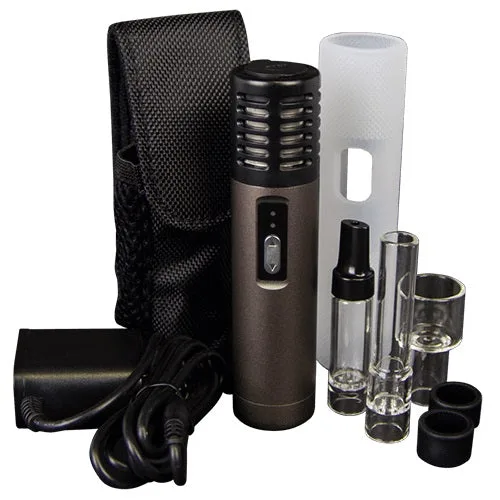
Glass is flavor-neutral and easy to clean. Vapor only touches borosilicate glass and stainless steel -- no plastic, no silicone. That gives a cleaner taste than devices with plastic mouthpieces. Stems are also cheap and quick to replace.
The 2200 mAh battery provides 5-7 sessions at moderate temperatures (level 4-5). At maximum level, expect 4-5 sessions. Passthrough charging is available.
Yes. A WPA stem (Water Pipe Adapter) fits the Solo directly onto 14 mm or 18 mm glass joints. The WPA stem replaces the regular stem and sits directly in the chamber.
Soak stems in isopropyl alcohol (90%+) for 15-30 minutes, then rinse with warm water. For light buildup, running hot water through the stem works. The collected residue ("stem milk") can be dissolved in hot milk.
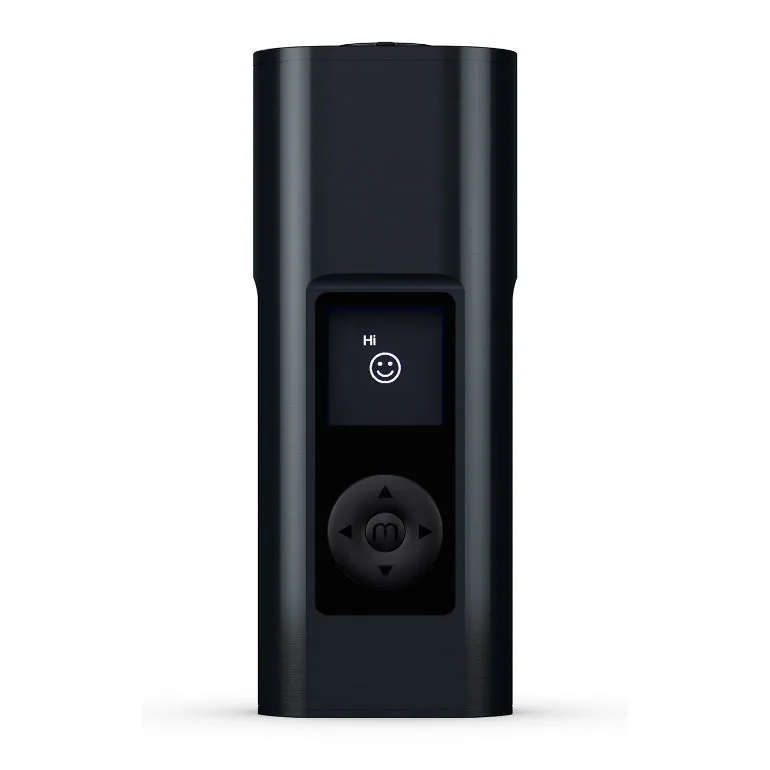
The Solo 2 has precise degree-by-degree control instead of 7 levels, an OLED display, longer battery life, and faster heat-up. The glass stem system is identical. The Solo 2 is the evolution for users who want more control.
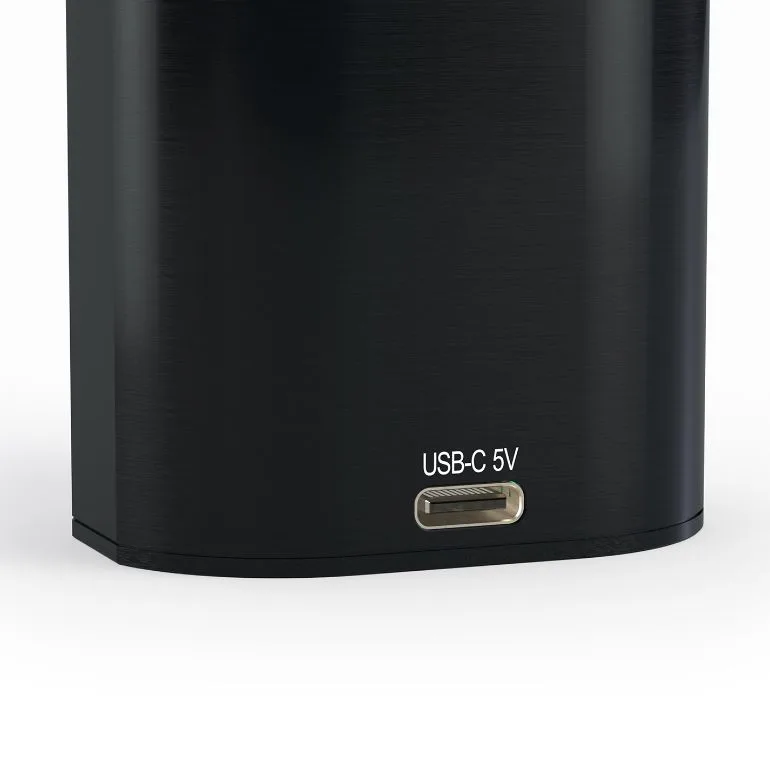
The Solo 3 adds USB-C charging, a larger battery, and a reworked heating system. It is the most modern Solo, but keeps the proven glass stem system.
Yes, the Solo is a solid entry point into quality vaporizers. Operation is simple (turn on, pick a level, wait), glass stems deliver clean flavor, and the lifetime warranty removes risk. The only learning curve: slow, steady draws work better than fast pulls.
For flavor and terpenes: level 3-4 (160-180 °C). For balanced sessions: level 5-6 (190-200 °C). For maximum extraction: level 7 (210 °C). Many users start low and step up during the session.
217 g is noticeable, but the weight comes from the solid metal build. The Solo is not a jeans-pocket vaporizer, but fits easily in a jacket or bag. If you want something lighter, look at the Air 2 (102 g).
Arizer provides a lifetime warranty on the Solo. It covers manufacturing defects and material failures, but not wear parts like stems or normal wear and tear. Warranty claims go through Arizer's dedicated warranty portal.
Comments
No comments yet. Be the first!
Sign in to comment