Arizer Go SRT vs Air MAX: Is the extra cost worth it?
The Arizer Go SRT costs from 216.98 € Code VAPOCHECKER5 · incl. shipping — the Air MAX from 111.87 € Code VAPOCHECKER5 · incl. shipping. Just under EUR75 difference, both hybrid and with the same temperature range. On paper, they sound similar. The crucial point lies elsewhere: the Go SRT is ready in 10 seconds, the Air MAX needs 60. Does that difference justify the extra cost — or is there more to lose with the Air MAX than expected?
Current offers from our partner shops
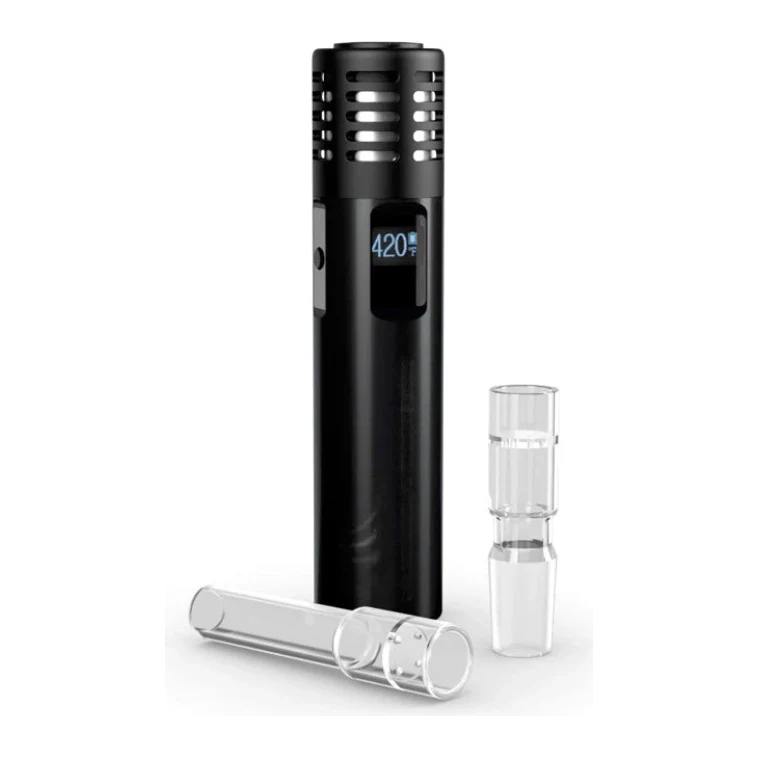
 Visit shop
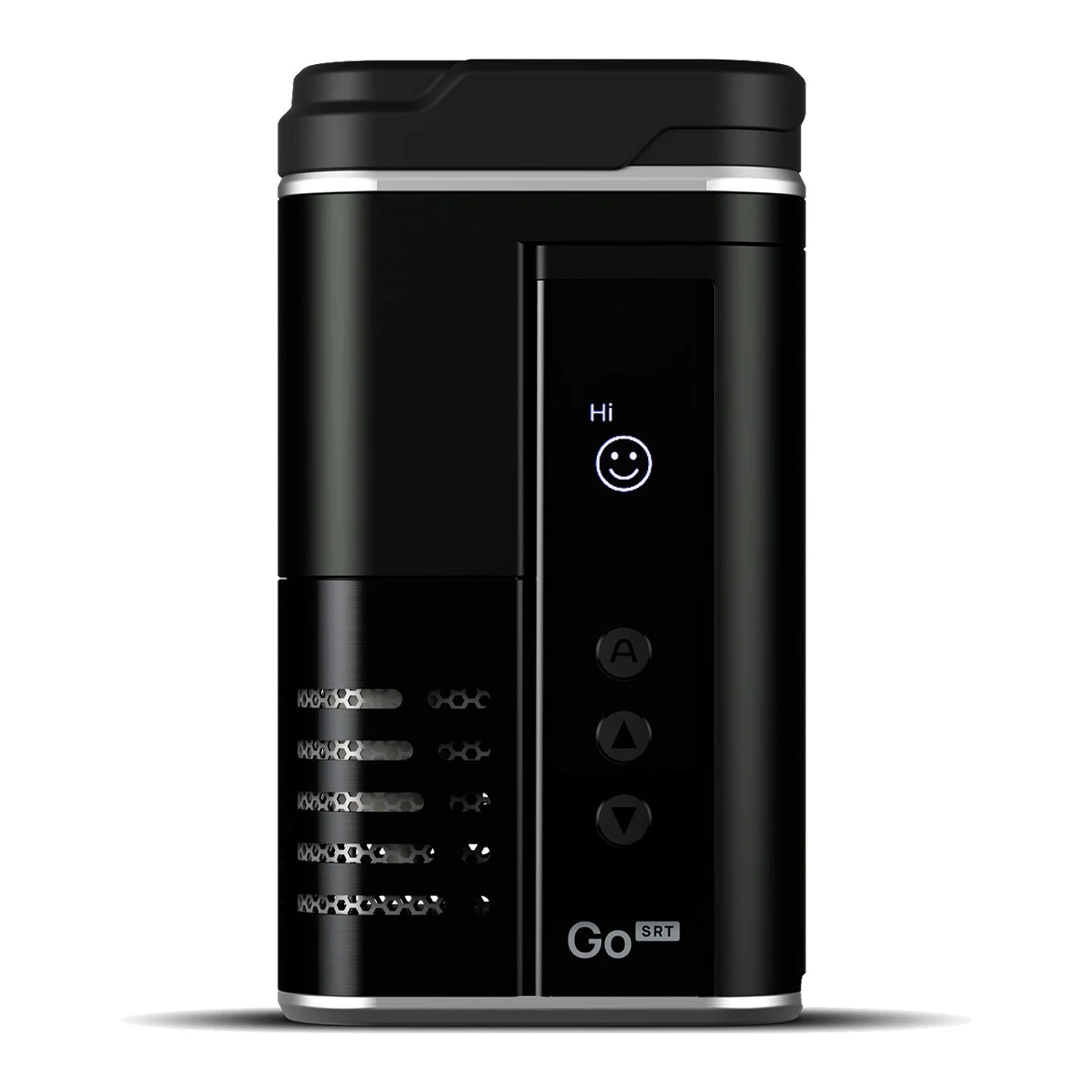
 Visit shop
All prices come from automated shop queries. Some shop links are affiliate links.
At a glance
- Air MAX from 111.87 € Code VAPOCHECKER5 · incl. shipping, Go SRT from 216.98 € Code VAPOCHECKER5 · incl. shipping — just under EUR75 difference.
- Go SRT heats up in 10 seconds, Air MAX needs 60 seconds.
- Air MAX: replaceable 18650 battery + lifetime warranty + 101 shops.
- Vapor quality is at the same Arizer level on both devices.
Specs compared
| Feature | Go SRT | Air MAX |
|---|---|---|
| Heating | Hybrid | Hybrid |
| Temperature range | 50–220°C | 50–220°C |
| Heat-up time | 20 s | 60 s |
| Battery | 5000 mAh (21700, fixed) | 26650, replaceable |
| Replaceable battery | No | Yes |
| Pass-through charging | Yes | Yes |
| Water pipe compatible | Yes | Yes |
| Vapor path | Glass | Glass |
| Weight | — | 160 g |
| Warranty | 2 years | 2 years |
| Price from | 216.98 € Code VAPOCHECKER5 · incl. shipping | 111.87 € Code VAPOCHECKER5 · incl. shipping |
| Shops | 118 | 136 |
Price: What EUR75 more gets you — and what it does not
The extra cost of the Go SRT compared with the Air MAX is almost as high as the purchase price of an inexpensive entry-level vaporizer. What exactly for? Essentially for one thing: 10 seconds instead of 60 seconds heat-up time. No better vapor quality, no longer warranty, no replaceable battery, no broader dealer base — in all of these points, the Air MAX is level or ahead. If you do not genuinely feel the Go SRT’s fast heat-up time as a real daily advantage, you are paying EUR75 for an upgrade that is barely noticeable in everyday use.
Heat-up time: The only area where the Go SRT is clearly ahead
10 seconds versus 60 seconds — the difference is huge and noticeable in everyday use. The Go SRT feels almost instantly ready to use; with the Air MAX, you allow a minute. Air MAX users get used to this and start the device in advance. That is not a problem — but it is an adjustment in usage behavior. If you want to vape spontaneously without planning ahead, you benefit from the Go SRT every day. If you prepare your vaporizer anyway, you lose very little.
Battery: the Air MAX is more versatile
Arizer publishes no mAh figure for the Air MAX, but states up to 2 hours 15 minutes per charge. The Air MAX uses a removable 26650 cell — with a spare battery (EUR10–15), it is practically unlimited for festivals or long trips without a power socket. The Go SRT has a built-in 21700 battery; newer technology, but not replaceable. Pass-through charging via USB-C is possible on both. For traveling without charging options, the Air MAX is more flexible — despite the lower price.
Vapor quality: Both at the same Arizer level
Typically for Arizer, both devices deliver clean, flavorful vapor from a full glass vapor path. Hybrid heating combines conduction and convection for even extraction without harshness. In practice, flavor and cloud density are almost identical on both devices. The Go SRT reaches its stable operating point faster, which is noticeable on the first draw of a fresh bowl — after that, both deliver the same. If your only priority is vapor quality, you pay for speed with the Go SRT, not for a better result.
Warranty: Lifetime cover vs. 2 years as the industry standard
Arizer’s lifetime warranty on the Air MAX is an underrated buying argument. Over 4–5 years of intensive use, a device with a lifetime warranty can work out cheaper overall than a more expensive device with short cover. The Go SRT comes with 2 years — standard for the industry, but clearly worse than what Arizer usually offers. If you think and buy long term, the Air MAX gives you not only the lower price, but also better cover.
Availability: 101 vs. 18 shops
The Air MAX is listed in 136 shops — the Go SRT in 118. More retailers mean more price competition, more frequent special offers and better shipping options. With the Air MAX, an established product with broad distribution, there are regular discount promotions. The Go SRT, as a newer model, is still building up its dealer base — that will improve over the course of the year, but it does not change the short-term availability gap.
Which one is worth it for whom?
Choose the Go SRT if:
- Spontaneous sessions without a 60-second wait are important every day
- You want the newest Arizer model with the latest battery technology
- You mainly vape at home or near charging options
Choose the Air MAX if:
- You want the best value for money with Arizer quality
- A replaceable battery is important for travel or festivals
- You want a lifetime warranty as long-term cover
- You want to make use of wide retailer availability and frequent offers
Conclusion: Extra cost, yes — but only if heat-up time really matters
For most buyers, the Air MAX is the more sensible choice: cheaper, replaceable battery, lifetime warranty, 101 shops. For EUR75 more, the Go SRT mainly delivers one thing: 50 seconds less waiting time. That may sound minor, but in everyday use it does make a difference — for users who vape spontaneously and without planning. If you start your vaporizer deliberately and can allow 60 seconds, there is no reason to pay the extra cost. If instant readiness feels like a genuine comfort gain, the Go SRT is the more modern alternative.
Related reviews:
Price History
Frequently Asked Questions
What is the main difference between the Arizer Go SRT and Air MAX?
Is the Arizer Go SRT worth it compared with the Air MAX?
Does the Arizer Air MAX have an app?
What warranty does the Arizer Go SRT vs. Air MAX have?
Is the Arizer Go SRT or Air MAX better for beginners?
Editorial source and price review at VapoChecker. Unknown or conflicting manufacturer data is explicitly labeled.