Lighter Guide — The right lighter for your butane vaporizer
Anyone holding a DynaVap for the first time often thinks: “I’ve got a lighter already.” Then you pull the cheap disposable lighter out of the drawer, hold it to the tip — and wait. And wait. The click comes eventually, maybe, but the experience is frustrating and uneven.
With a butane vaporizer, the lighter is not some incidental accessory. It is a real tool. The wrong flame, the wrong distance, poor-quality butane — and you either get hardly any vapor or you overheat your vaporizer. This guide helps you find the right model for your vaporizer.
At a glance
- A disposable lighter is too weak for butane vaporizers — jet flames deliver more precise heat
- Single-flame jet lighters start at 5 EUR and are enough for DynaVap and Sticky Brick
- Triple-flame models heat up faster, but use more gas
- High-quality butane with 5x filtration extends the lighter’s lifespan
Jet flame vs. soft flame — the basic difference
Before we get to specific models, you need to understand what the flame itself does.
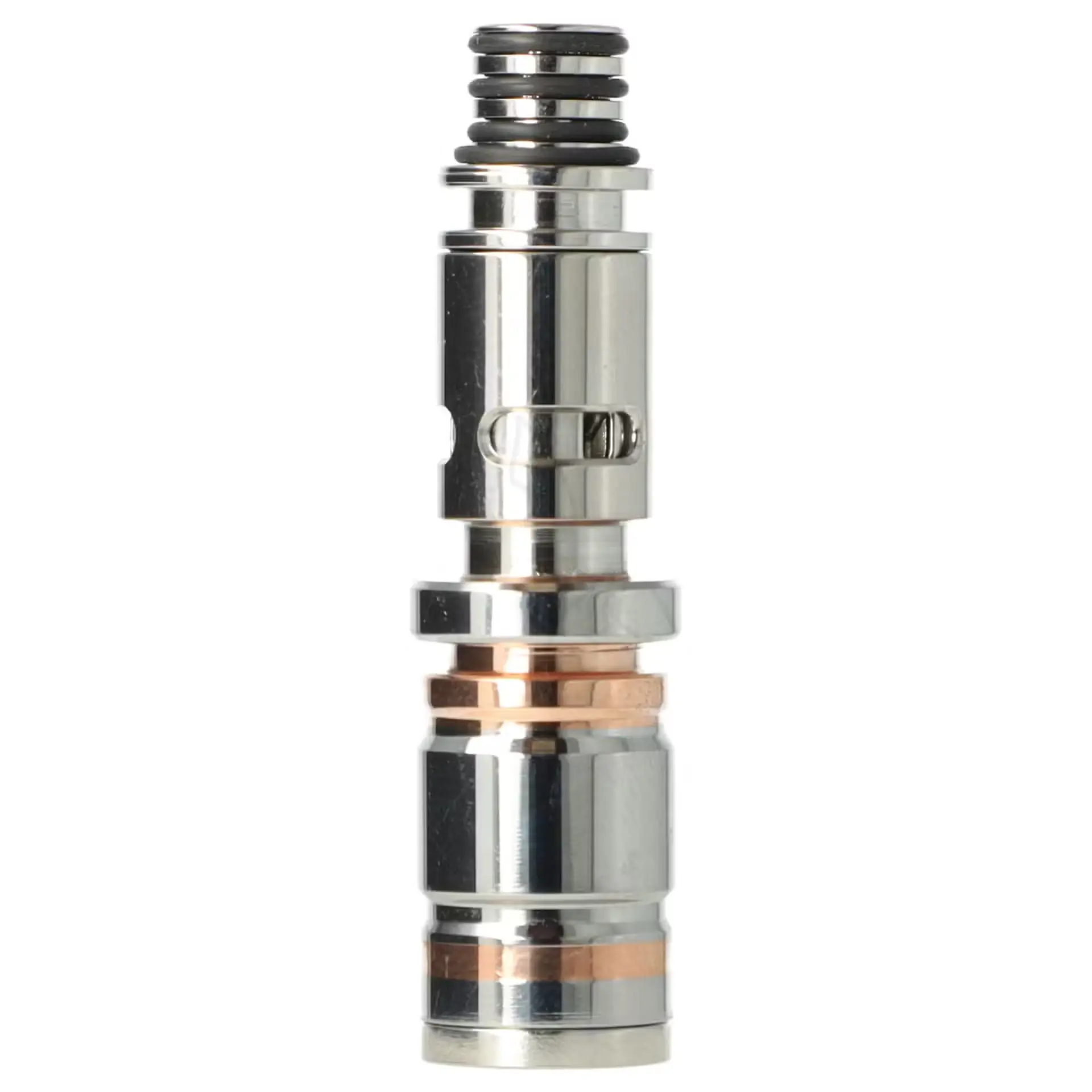
Jet flame (turbo/torch lighter)
A jet lighter produces a concentrated, hot flame — usually blue, sometimes almost invisible. The temperature is typically between 1200 and 1400 °C. The advantage: you can heat precisely, the flame is barely affected by wind, and you have much more control over position and duration.
For vaporizers like the DynaVap, this is practically indispensable. You rotate the tip in the flame, listen for the click — and know exactly that you have heated it evenly.
Soft flame (classic lighter)
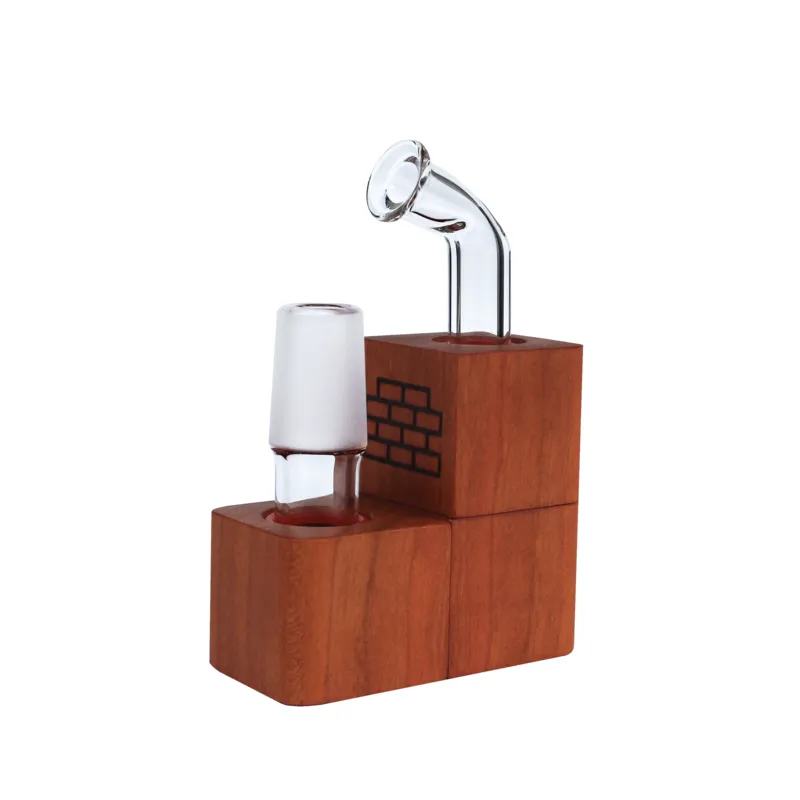
The soft flame burns at around 400–500 °C. It is larger, less directed and more sensitive to wind. For some vaporizers — namely those deliberately designed to work with a soft flame — that is exactly right. The Sticky Brick is the best example: it is built so that the flame is drawn directly into the air path. A jet flame would damage the glass there or give the herbs too much direct heat.
Rule of thumb: Jet flame for DynaVap, Vapman and most metal butane vaporizers. Soft flame for Sticky Brick, Lotus and similar designs.
Single flame, double flame, triple flame — what makes sense?
Within jet flames, there are further gradations. More flames means more heat at once — but not always more control.
Single-flame torch
This is the classic choice for DynaVap users. A single, focused flame. You rotate the tip, heat deliberately from one side, hear the click. That gives you the greatest control over the heating position and therefore over the vapor. A well-heated DynaVap from the side of the tip? That is a different experience from heating it at the top. A single flame forces you to work deliberately — and with the DynaVap that is a feature, not a drawback.
Also: single-flame lighters are lighter, cheaper, and have fewer moving parts that can break.
Double and triple flame
More flames, more heat, faster to the click. For people with little patience or those using a newer DynaVap with a thicker tip, that can be attractive. The catch: you lose some control. The flame is wider, heats faster and more evenly — but also less specifically. Anyone getting too close with a triple flame or holding it there too long will quickly end up in the overheating zone.
For use on the go, or when you simply want a quick hit, a double flame is often the best compromise: a bit faster than single, but still manageable.
Quad flame and more
From four flames upwards, it rarely makes sense for vaporizer use. That is more cigar territory. The heat output is so intense that you have hardly any room for error before damaging something.
The right lighter depending on the vaporizer
| Vaporizer | Flame type | Number of flames | Distance from the tip |
|---|---|---|---|
| DynaVap (all models) | Jet flame | 1 (ideal), 2 possible | 1–2 cm from the side |
| Sticky Brick | Soft flame | 1 | directly onto the bowl |
| Vapman | Jet flame | 1 | 1–2 cm below the bowl |
| Lotus Vaporizer | Soft flame | 1 | directly onto the plate |
| Camouflet Toad | Jet flame | 1–2 | 1 cm from the side |
| VapHit | Jet flame | 1–2 | 1–2 cm from the side |
DynaVap: Single jet, keep a bit of distance, rotate. Most experienced DynaVap users swear by exactly this style.
Sticky Brick: Here you need a classic soft-flame lighter or a normal windproof lighter without a jet. The Sticky Brick’s design pulls the flame through the air path — and that only works with a soft flame. With a jet flame, you risk cracks in the wood or glass.
Vapman: The Swiss work of art reacts similarly to the DynaVap — single jet flame, steady hand, a little distance. The Vapman is more sensitive, though: too much heat too quickly does the herbs no favours.
Recommended models and prices
Here are five lighters that perform well in the butane vaporizer community:
Honest Single Torch (~5–8 EUR) The bestseller among DynaVap users. Affordable, reliable, narrow single flame. No fancy design, but that does not matter. Refillable, adjustable flame height. Hard to beat as an entry point.
Aomai jet lighter (~6–10 EUR) Slightly sturdier than the Honest, similar principle. Available as single or double flame. The double-flame version is for anyone who wants to heat their DynaVap a bit faster. Good value for money.
Vertigo Cyclone (double flame, ~10–15 EUR) Two flames side by side, sturdy body, good flame consistency even when the tank is running lower. Slightly larger, but comfortable in the hand. A solid choice for on the go.
Clipper refillable lighter (soft flame, ~3–6 EUR) The budget solution for Sticky Brick and Lotus. Clipper is refillable, and the flint wheel can be replaced — practical. No jet flame, just the classic soft flame. Perfect for wooden vaporizers.
Vector Nitro Triple Flame (~15–20 EUR) If you really want speed and are willing to spend a bit more. Three flames, solid metal body, reliable ignition. But use with caution for DynaVap — keep it brief, keep your distance.
Butane: quality matters more than you think
A good lighter is of little use if the gas is poor. Cheap discount-store butane often contains impurities — sulphur compounds, oils, water residue. That builds up in the lighter’s valve and ignition system. At some point it no longer ignites properly, the flame flickers, or the lighter sputters.
Filtered premium gas (e.g. Colibri, Xikar, Newport) is filtered multiple times and much cleaner. That pays off: lighters last longer and the flame stays more consistent.
By the way, for your vaporizer itself, the butane does not matter — you burn the gas in the lighter, not in the vaporizer. But for the lighter’s lifespan, better gas is worth it.
Tip: Before refilling the lighter, let it empty completely. Mixing leftover gas with new gas can lead to pressure problems. And: bring the lighter to room temperature before filling — cold lighters take in gas less effectively.
Refilling and maintenance
Refilling is simple, but there are a few things you should keep in mind:
- Empty the lighter completely — set the flame to maximum and let it run until nothing more comes out
- Bleed the pressure valve — use a small screwdriver or the tip of the gas canister to press briefly on the fill valve to release residual gas and pressure
- Fill with gas — hold the lighter upside down, press the gas canister vertically, hold for 3–5 seconds
- Wait 30 seconds — the gas needs a moment to settle and reach room temperature
- Adjust the flame height and test it
If your lighter still does not ignite despite a full tank, or the flame goes out after a short time, dirt in the valve is usually the problem. A quick blast with compressed air often helps. Stubborn cases can be resolved with a toothpick in the fill valve — but be careful.
Typical problems and solutions
Lighter does not ignite even though there is gas inside
Most common cause: air in the tank instead of gas. First bleed the valve (see above), then refill it. Second possibility: dirt in the flint area. Check the flint and spring.
Flame flickers or goes out after a short time
This is almost always poor butane or a half-blocked valve. Switch to filtered gas and bleed it properly once.
Lighter gets very hot during use
Normal to a certain degree — but if the body feels unpleasantly hot, that is a sign that the internal seal is no longer right. Time for a new lighter.
No click with the DynaVap
This is usually not the lighter’s fault, but the heating technique. Too far away, wrong angle, held for too short a time. Single flame, heat the tip slightly from the side, rotate gently — then the click will come reliably.
Lighter works indoors, but not outside
Jet flames are more wind-resistant than soft flames, but even the best jet flame goes out in strong wind. Find shelter from the wind or choose a windproof lighter with extra housing.
Price history
Short conclusion
With a butane vaporizer, the lighter is a real tool — not a disposable product. For most setups, the rule is: single jet flame for DynaVap and similar devices, soft flame for Sticky Brick and Lotus. Affordable models from Honest or Aomai are completely sufficient to start with. If you want to spend a bit more, Vertigo or Vector offer sturdier alternatives.
Filtered butane noticeably extends the lighter’s lifespan. And regular refilling done properly keeps the lighter working for years.
The lighter plays a major role in how good your vaporizer experience will be. Spending a few euros more here is money well spent.
Price comparison on vapochecker.com
What should you pay attention to when buying a vaporizer?
How much does a good vaporizer cost?
Where can you find the best vaporizer deals?
Has been testing and comparing vaporizers on VapoChecker since 2020. 800+ devices, 274 shops, 51 countries.