From Smoking to Vaporizing — Why Butane Vaporizers Make Switching Easier
Many people who want to move away from smoking first buy an electric vaporizer. One with a battery, display, USB-C port and five temperature settings. And after two weeks, the thing is lying in a drawer — because the vapor feels wrong, because the heat-up process feels too clinical, because somehow the spark is missing. Literally.
Yet the switch might have been easier — with a butane vaporizer. One that you heat with a lighter. Sounds paradoxical. But it is not.
At a glance
- Many ex-smokers put electric vaporizers aside after two weeks — the ritual is missing
- Butane vaporizers offer a tactile experience that resembles smoking
- The adjustment period is around two to three weeks
- A DynaVap M7 for 75.33 € Code VAPOCHECKER5 · incl. shipping is an affordable entry point for testing
Why switching is difficult
Smoking is not purely a nicotine problem. It is a ritual. You roll, you light up, you hold the thing in your hand, you see the smoke. All of this happens at the same time, again and again, hundreds of times. Your brain connects this routine with relaxation, with a break, with a certain feeling.
Electric vaporizers interrupt this ritual almost completely. You press a button. You wait. You draw. That is it. No fire, no occupied hands, no visual feedback. For many, it feels too sterile — too far away from what they know.
On top of that: vapor feels different from smoke. Not worse, but different. The first draw from a vaporizer disappoints almost everyone. It is cooler. It is thinner. It does not bite in the throat. The brain says: “That was nothing.” So you draw again. Again. And then you reach for the old method after all.
What nobody tells you beforehand — this difference is normal. And it disappears after a few days, once you understand the technique and the body adapts.
Why butane vaporizers in particular?
Butane vaporizers solve exactly the problem that electric devices have for people switching. The lighter remains. The ritual remains.
You take the vaporizer in your hand. You ignite the jet lighter. You heat it up. You feel the device getting warm. With the DynaVap, there is then a click — a mechanical, distinct sound that indicates: temperature reached, draw now. This click is surprisingly satisfying. It gives feedback. It tells you what to do. That is no coincidence — DynaVap spent years developing exactly this.
The herb chamber is small. Half a gram, sometimes less. That is more like a short session than a long drawn-out one. For someone who has smoked joints, it feels familiar. You consume a defined amount, then the round is over.
No charging, no display, no app. You take it out, you use it, you put it away. That is the whole process.
In terms of price, entry-level devices like the DynaVap B are significantly cheaper than many electric vaporizers. Anyone unsure whether vaporizing is fundamentally for them does not have to take a big risk here.
The first two weeks — What to expect
Honesty helps more here than euphoria.
Days 1 to 3: The vapor feels weak. You draw and think nothing is happening. The temptation to go back is strong. This is the most critical moment of the switch. The technique is not there yet — you may be heating for too short a time, drawing too quickly or too slowly.
Days 4 to 7: You find your rhythm. The draws become fuller. You notice that you need less material than expected. Packing, heating, drawing — it becomes routine.
Week 2: Something happens in terms of flavor. The taste buds recover faster than most expect. Herbs taste of something. The difference between different strains becomes noticeable. Smoking, by contrast, starts to taste bitter — a signal many describe as the turning point.
After two weeks, most people report that they perceive smoke more consciously. Not necessarily as worse, but as heavier, more biting.
One important point: some people use vaporizers and continue smoking in parallel for a while. That is not a defeat. The pressure to switch completely from day one often makes the transition harder. If you still smoke in the first week but try the DynaVap in the afternoon — that works. You get to know the device without withdrawal pressure.
The best butane vaporizers for people switching
Not every butane device is equally well suited to getting started.
DynaVap M7 or M Plus: These are the clear recommendations for switching. Robust, reliable, ready to use straight away. The click mechanism gives precise feedback, and the vapor quality is good. The M Plus has a little more surface area, which makes even heating easier. Both work with a simple jet lighter.
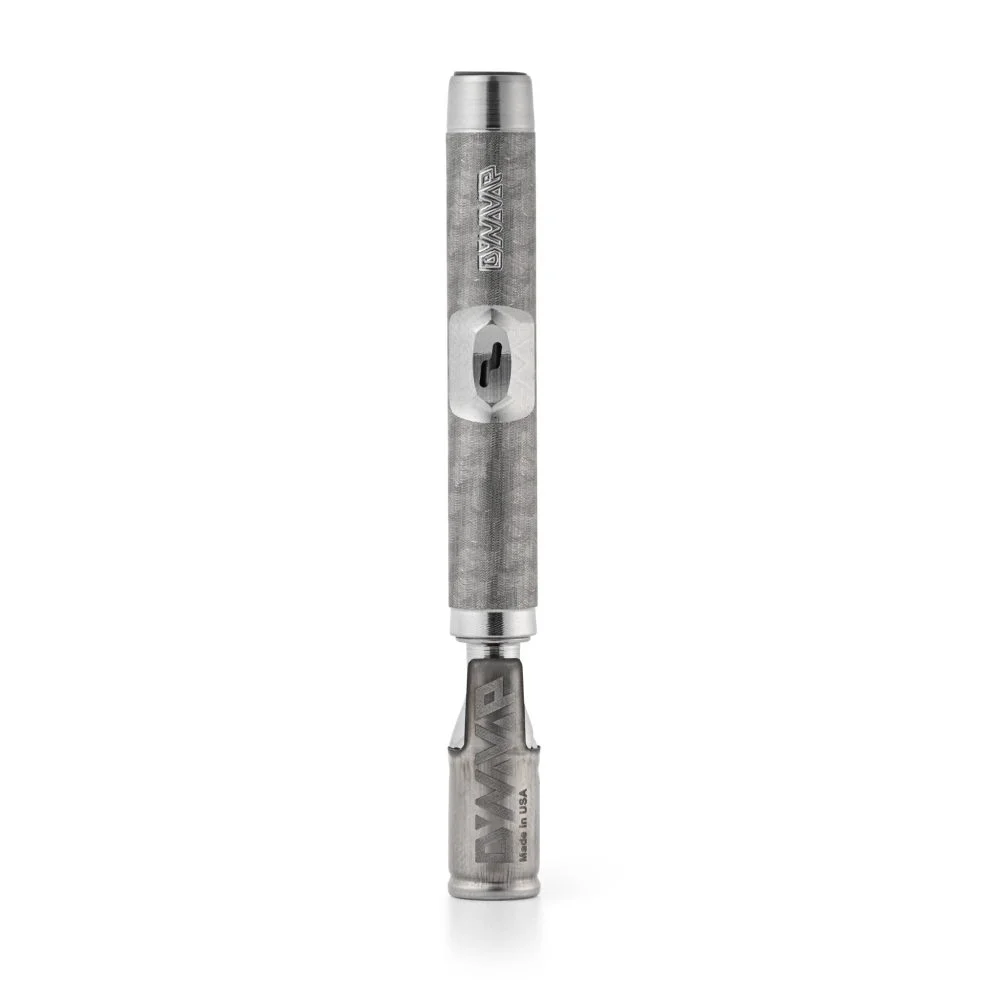
DynaVap B: The cheapest option in the DynaVap line-up. Less polish, same functional principles. For someone who wants to test first without risking much money, it is a sensible choice.
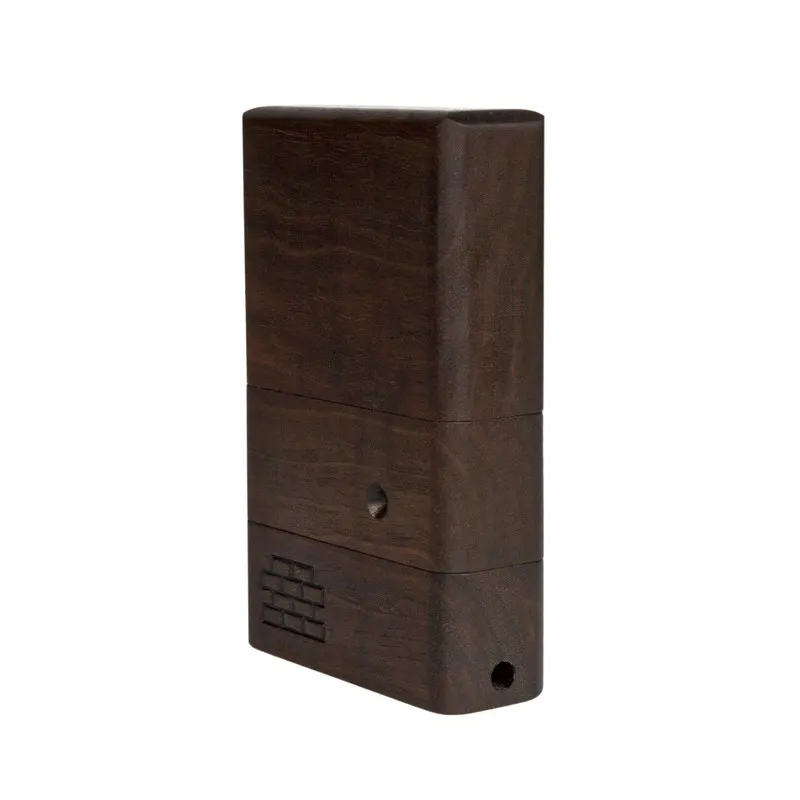
Sticky Brick Runt: A different concept — here you aim the flame directly at a glass tube. The hits are bigger, denser, closer to the smoking sensation. For someone who misses smoking mainly because of the intensity, this can be the better entry point. The technique does require a little practice, though.
What you should not buy as a beginner: handmade wooden vaporizers or devices without click feedback. The learning curve is much steeper, and without clear temperature feedback you can quickly overheat. That harms the flavor and causes frustration.
Practical tips for switching
A few things that make the process more concrete:
Start with higher temperatures. Warmer inhaled vapor feels more similar to smoke. With the DynaVap, that means: heat a little longer, wait briefly after the first click. Over time, you can switch to lower temperatures, which bring more flavor.
Pack firmly, draw slowly. A loosely packed herb chamber gives poor hits. Pack more firmly, then draw long and steadily — not hastily, more like through a straw.
Do not compare. The most common mistake is directly comparing it with smoke. Vapor is something different. Not worse — but if you measure every draw by how good it was compared with a joint, you will always be disappointed. Start assessing vapor as an experience in its own right.
Keep your smoking accessories for the first week. That sounds counterintuitive, but: if you know that you could go back, trying it feels less threatening. Most people who approach it this way stop on their own after a while.
Find like-minded people. The r/vaporents forum or Fuckcombustion (FC) has communities where people switching ask exactly these questions. Not to seek validation — but because it helps to know that others had the same “this is nothing” moment in week one and still stuck with it.
Health perspective
This is not medical advice, to be clear. But a few facts can be stated.
When plant material is burned, tars and hundreds of combustion products are created and absorbed through the lungs. That is the key difference between smoking and vaporizing: with vaporizing there is no combustion. The material is heated, not burned. The composition of the vapor is significantly lower in harmful substances — several studies confirm this.
Many report better exercise capacity, better sleep and a more noticeable difference in breathing after a few weeks of switching. That is not a guarantee, but it is not surprising either.
There is also a practical advantage: vaporizers are more efficient. The same amount of material lasts longer. That is not the main reason to switch — but it is a pleasant side effect.
Price history
Conclusion
Anyone who has failed with an electric vaporizer as a smoker should not take that as proof that vaporizing is not for them. Often, the device is simply the wrong one for that moment of switching.
Butane vaporizers keep fire in the equation. The ritual remains — only what is produced changes. No smoke, no combustion, but still that familiar feeling of holding a device in your hand, taking out a lighter and being actively involved.
The first two weeks are not easy. In all honesty, that is true of every switch. But those who stick with it usually find: after a month, wanting to go back is no longer a real option.
Price comparison on vapochecker.com
What should you look for when buying a vaporizer?
How much does a good vaporizer cost?
Where can you find the best deals on vaporizers?
Editorial source and price review at VapoChecker. Unknown or conflicting manufacturer data is explicitly labeled.