DynaVap vs Sticky Brick Comparison 2026
The key points at a glance
- M7 from 75.14 € Code VAPOCHECKER5 · incl. shipping
- Sticky Brick OG from 191.06 € incl. shipping
Anyone who chooses a butane vaporizer will sooner or later come across two names: DynaVap and Sticky Brick. Both need a torch lighter, both work without a battery or cable, and that is where the similarities end. One side relies on a small metal tube with a click mechanism, the other on handcrafted wooden blocks with pure convection. Two completely different approaches, the same goal.
Current offers from our partner shops
 Visit shop
All prices come from automated shop queries. Some shop links are affiliate links.

In this comparison, we look at where the real differences lie. Not just on paper, but in everyday use. Which one produces better vapor? Which is easier to learn? And which vaporizer suits which user?
The concept: click versus flame technique
DynaVap — The click tells you
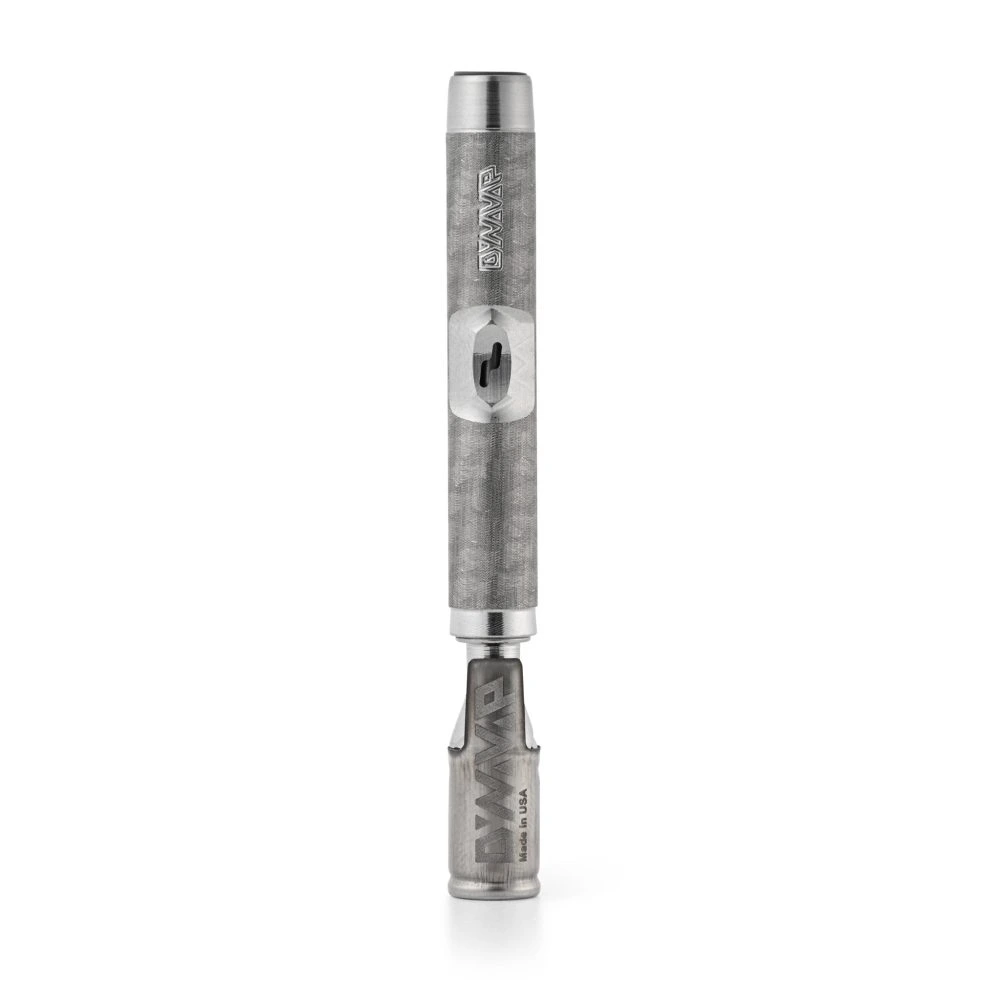
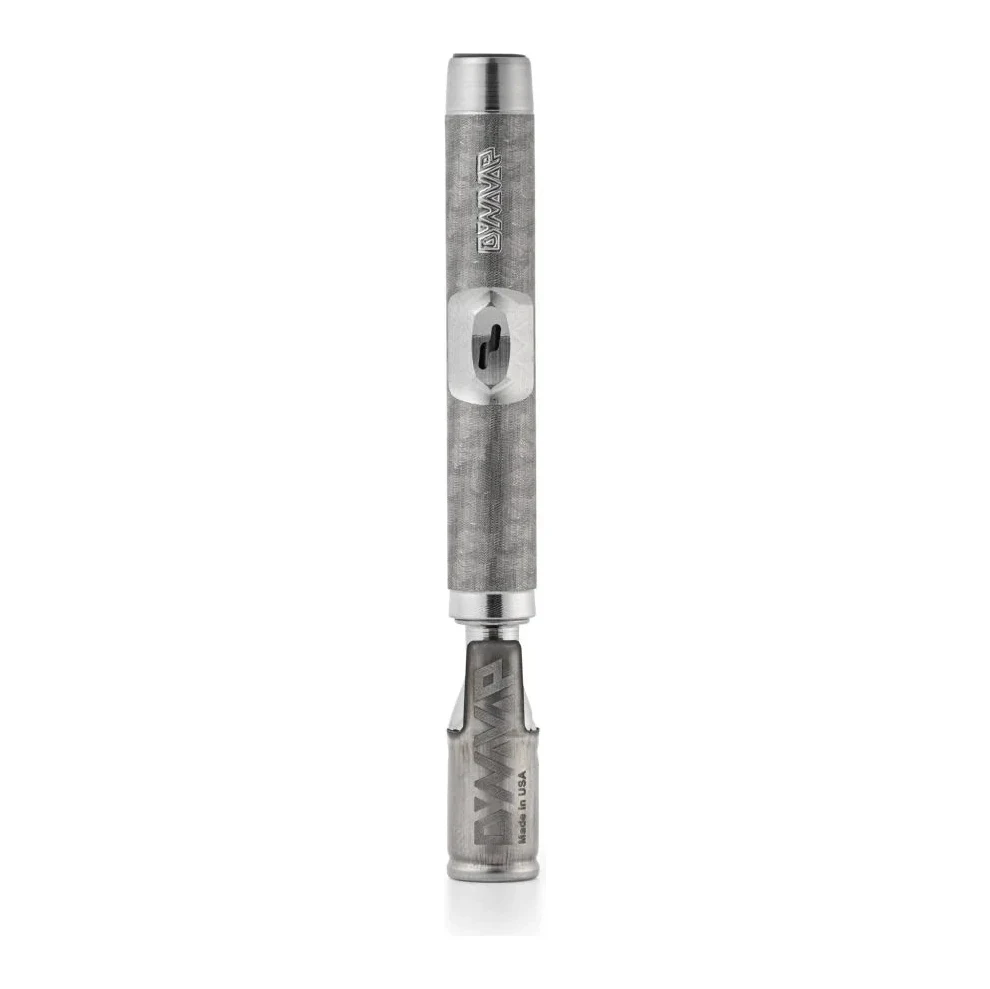
The principle behind the DynaVap M7 is simple: you heat the metal cap with a torch, and after a few seconds it goes “click”. That is the signal — now inhale. When it clicks again, the draw is over. No guesswork, no thermometer needed.
Heating works via a combination of conduction and convection. The cap transfers heat directly to the material, while hot air flows through the chamber at the same time. Depending on where you place the flame — closer to the tip for lower temperatures, closer to the edge for higher temperatures — you change the result.
Sticky Brick — Pure convection, pure technique
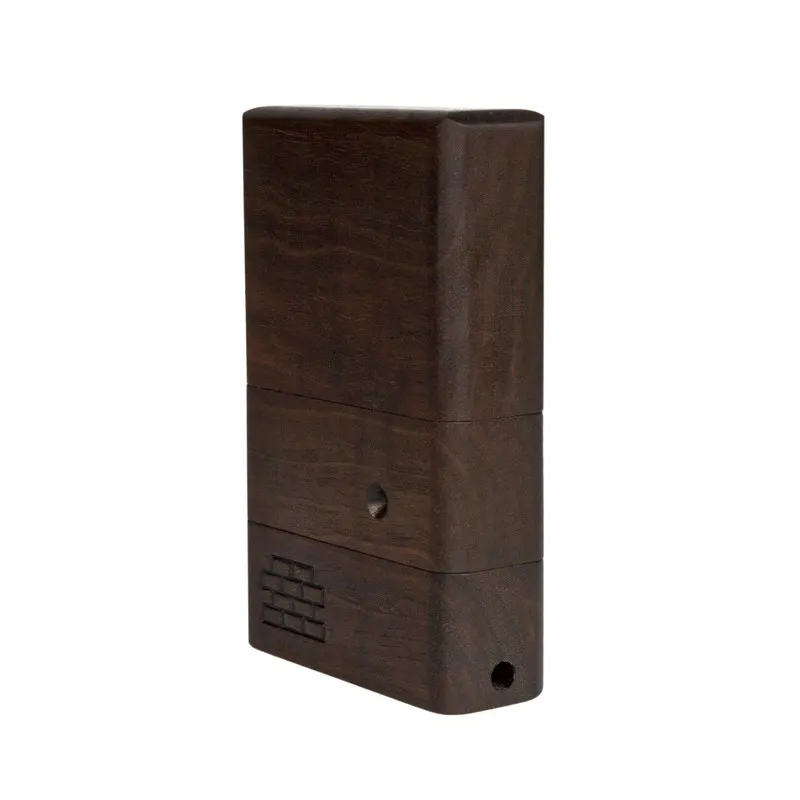
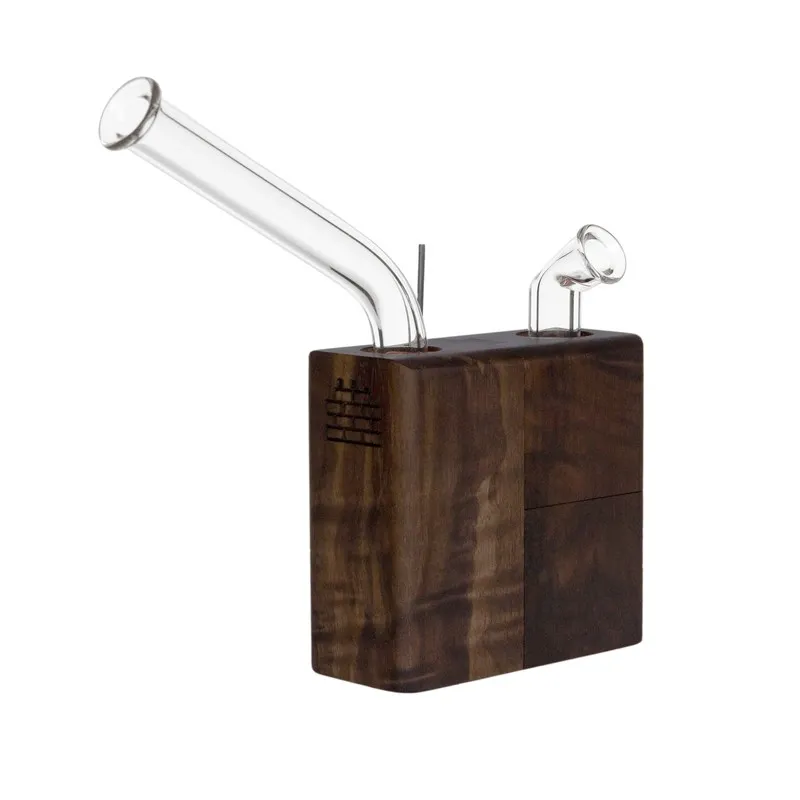
The Sticky Brick Junior works completely differently. You direct the flame of a torch lighter into an air intake, the hot air flows through the material, and you inhale at the same time. No click, no audible signal. You control the temperature through the distance of the flame, the angle, and the strength of your draw.
That sounds more complicated than it is — but it is not trivial either. In the first attempts, almost everyone ends up making the material too dark once or even slightly burning it. After a few sessions, though, the technique clicks, and then the Sticky Brick delivers something hardly any other portable vaporizer can manage: dense, flavor-intense convection clouds at the press of a button. Well, at the press of a flame.
Vapor quality: flavor and clouds
This is where the wheat is separated from the chaff — and the Sticky Brick comes out ahead. Pure convection means that the material is only heated when air is flowing through it. No continued cooking, no burning between draws. As a result, the flavor is extremely clean, especially on the first draws of a fresh bowl.
The Sticky Brick Runt goes one step further. Its design resembles a small bong, and the vapor path is so short that the clouds arrive especially dense. Many users describe the Runt as the device that comes closest to a bong hit — just without combustion.
The DynaVap M7 also delivers good flavor, no question. But because of the conduction element, the herbs continue to cook slightly after the click. You notice that from the third or fourth draw onwards. The clouds are smaller, more concentrated. For users who prefer milder, more controlled draws, that can even be an advantage.
Portability: trouser pocket or rucksack?
The DynaVap wins this category without discussion. The M7 is barely larger than a thick ballpoint pen, weighs next to nothing, and fits into any trouser pocket. With the cap on, the chamber is sealed — nothing spills out, nothing smells. Quickly pull out a torch while on the go, heat for three seconds, click, done.
The Sticky Brick Junior is “portable” in the broadest sense. It fits into a jacket pocket, but not comfortably. The wooden construction is robust, but also bulky. It includes glass parts that can break if dropped. And to fill it, you need both hands plus a bit of calm.
The Sticky Brick OG, the full-size model, stays at home anyway. A beautiful piece of craftsmanship with a lifetime warranty — but portable? No.
Learning curve: click entry versus studying the flame
The DynaVap is one of the most beginner-friendly vapes around. The click mechanism removes the most important decision for you: when you should stop heating. Even on your first try, you get usable vapor. The technique becomes more refined over time — exactly where you apply the flame, how fast you rotate — but the basics work immediately.
With the Sticky Brick, things are different. The first three to five sessions are a learning process. Too close to the flame? Combustion. Too far away? No vapor. Drawing too hard? Flame goes out. Not hard enough? Too hot. That is not a design flaw, but part of the concept. If you master the technique, you have full control over every single draw. But getting there requires patience.
One tip from the community: beginners should always use a single-flame lighter with the Sticky Brick. Triple- or quadruple-flame lighters make temperature control unnecessarily difficult.
Efficiency and chamber size
The DynaVap M7 has a tiny chamber of around 0.1 g. That sounds like little — and it is. But that is exactly what makes the DynaVap the king of microdosing. One or two draws, done, and the chamber is extracted evenly. For users who want to be economical with their material, there is hardly anything better.
If you prefer larger sessions, you should look at the DynaVap HyperDyn. With a chamber volume of 0.25 g, it comes into a similar size range as the Sticky Brick models and makes the comparison fairer.
The Sticky Brick models consistently have larger chambers. The Junior holds around 0.15 to 0.2 g, the OG a little more. Thanks to pure convection, however, the material is not automatically used up — you can stop after each draw and continue later without anything continuing to cook. In practice, that means both systems use material efficiently, just in different ways.
Comparison table
| Category | DynaVap (M7) | Sticky Brick (Junior) |
|---|---|---|
| Heating method | Conduction/hybrid | Pure convection |
| Temperature control | Click mechanism | Flame distance + draw technique |
| Chamber size | ~0.1 g (M7) / 0.25 g (HyperDyn) | ~0.15–0.2 g (Junior) / more (OG) |
| Vapor quality | Good, mild, controlled | Very good, dense, flavor-intense |
| Portability | Excellent (trouser pocket) | Limited (jacket pocket) |
| Learning curve | Low (click helps) | Medium to high (technique required) |
| Risk of combustion | Low | Moderate (especially at first) |
| Material | Stainless steel | Hardwood + glass |
| Ecosystem | Large (tips, stems, caps, IH) | Small (different models) |
| Heat source | Torch or induction heater | Torch only (single-flame recommended) |
| Warranty | Lifetime (metal parts) | Lifetime (OG), limited (Junior) |
| Best for | Microdosing, on the go, beginners | Clouds, flavor, home sessions |
Price comparison: what do the devices cost?
Both brands play in a similar price range. The DynaVap M7 typically sits between 75 and 90 euros. The Sticky Brick Junior is in the 90 to 120 euro range. The Sticky Brick OG costs a little more, but in return offers the lifetime warranty and the full-size format.
If you want to run the DynaVap with an induction heater — in other words without a lighter — you need to add another 80 to 150 euros. That obviously changes the calculation.
You can always find the latest prices from over 70 shops across Europe at vapochecker.com.
Who is each one suitable for?
DynaVap, if you…
- are looking for an uncomplicated introduction to butane vapes
- are out and about a lot and need something compact
- want to be economical with your material (microdosing)
- enjoy tinkering and are drawn to the ecosystem of tips, stems and caps
- want to keep the option of an induction heater open
Sticky Brick, if you…
- are looking for maximum flavor and dense clouds
- mainly vape at home
- want full control over every draw
- are willing to learn a technique
- prefer a handcrafted wooden device to a metal tube
Why not both?
That is in fact the answer from many experienced users. A DynaVap for on the go and quick single draws, a Sticky Brick for a cosy evening session at home. The two devices complement each other instead of replacing each other. And since both are priced below 120 euros, the combination is cheaper than some upper-class battery vaporizers.
Price history
Conclusion
DynaVap and Sticky Brick follow fundamentally different philosophies. The DynaVap tells you with a click when it is time. The Sticky Brick lets you control everything yourself — flame, airflow, timing. In return, it rewards you with a vapor quality that is second to none in the butane category.
Anyone who values simplicity, portability and microdosing will be happy with the DynaVap M7. Anyone willing to invest a few sessions in the learning curve in exchange for dense convection clouds from a handcrafted wooden block should go for the Sticky Brick Junior — or the Runt if it should be even denser.
There is no clear winner. Only two very different ways to experience butane vaping. At vapochecker.com you can compare the current prices of both brands and find the best deal in your country.
Last updated: February 2026. Prices and availability may vary depending on the shop.
Overview of all comparison articles – find the perfect device for you.
Editorial source and price review at VapoChecker. Unknown or conflicting manufacturer data is explicitly labeled.
Related reviews:
Price comparison
M7
from 75.14 € Code VAPOCHECKER5 · incl. shipping
165 shops
Sticky Brick OG
from 191.06 € incl. shipping
15 shops
Prices are updated daily
What is the difference between DynaVap and Sticky Brick?
The DynaVap heats a metal chamber from the outside with a lighter — the heat is transferred via the cap. The Sticky Brick channels the flame through a passage directly over the herbs (convection). That gives the Sticky Brick thicker clouds and fuller flavor, while the DynaVap delivers more controlled single draws.
Which butane vaporizer has the steeper learning curve?
The Sticky Brick requires more practice. The flame position and angle directly affect vapor quality. Too close and it burns, too far away and nothing happens. With the DynaVap, the click signals the right moment — that is easier to learn.
Can both devices be used with a bong?
Yes. The DynaVap fits directly into many bongs with the 10mm tip or via a WPA adapter. For the Sticky Brick, there is the Hydrobrick as a water-filter-optimized variant. Both benefit noticeably from water filtration, especially at higher temperatures.
Which one is better for microdosing?
The DynaVap. The small chamber (0.05-0.1g) is ideal for microdosing. The Sticky Brick has a larger chamber and is harder to fill evenly with small amounts. For minimal doses, the DynaVap is the more suitable tool.
How often do butane vaporizers need cleaning?
Both every 5-10 sessions. With the DynaVap: soak condenser and screen in isopropanol. With the Sticky Brick: clean the glass parts and screen, wipe the wood dry. Butane devices generally get less dirty than battery vaporizers because no electronics restrict access for cleaning.