








Ten sam typ urządzenia i zbliżona cena; pierwszeństwo ma ta sama metoda ogrzewania. Rozmiar i funkcje mogą się różnić.
DotLeaf 1.5
Najlepsza Cena
145,90
€
Dostępny w La Centrale Vapeur +1 Sklep
w tym koszt wysyłki
Bezpłatne powiadomienie gdy cena spadnie
Zalety
- Kompatybilny z WPA
- Nagrzewanie w 30 sekund
- Wysoka maksymalna temperatura (245°C)
Wady
- Czysta kondukcja
- Mała bateria (1400 mAh)
- Brak systemu kapsułek dozujących
DotLeaf 1.5 — Porównanie Cen (2 sklepów) 145,90 €–321,60 €
Wykresy sklepów do 90 dni
Najniższa w historii145,90 €25. cze 26La Centrale Vapeur
Minimum okresu145,90 €28. sieLa Centrale Vapeur
Średnia okresu147,45 €
Ceny produktu bez kosztów wysyłki
321,60€ (1 200 000,00 COP)1 200 000,00 COP× 0,0003 (27. wrz 2026)= 321,60 €Brak wysyłki do Twojego regionu
Do Sklepu
Zaktualizowano: 27.09.2026, 22:42
* Niektóre linki są linkami afiliacyjnymi. Otrzymujemy niewielką prowizję, jeśli dokonasz zakupu za ich pośrednictwem — bez żadnych dodatkowych kosztów dla Ciebie.
Specyfikacja
| Specyfikacja | |
|---|---|
| Metoda Ogrzewania | Kondukcja |
| Typ Urządzenia | Przenośny |
| Marka | DotLeaf |
| Źródło Zasilania | Bateria |
| Czas Nagrzewania | 30 sekund |
| Pojemność Baterii | 1400 mAh |
| Waga | 85 g |
| Gwarancja | 1 rok |
| Kompatybilny z Bongiem | Zobacz adaptery do bonga |
| Tryb sesji | Sesja |
| Kontrola temperatury | Presety |
| Materiał | Suche zioła |
| Droga pary | Ceramika |
| Typ akumulatora | 18650 Li-Ion 18650-Akkus vergleichen |
| Wymienny akumulator | Tak |
| Ładowanie passthrough | Tak |
| Port ładowania | USB-C |
O tym waporyzatorze
DotLeaf 1.5 działa z ogrzewaniem kondukcyjnym — materiał przylega bezpośrednio do podgrzewanej ścianki komory i jest równomiernie ogrzewany. DotLeaf zaprojektował to urządzenie jako kompaktowego towarzysza na co dzień. Maksymalna temperatura wynosi 245 °C. Wymienny akumulator 18650 ma pojemność 1400 mAh. Warto porównywać ceny: w porównaniu cen znajdują się oferty ze sprawdzonych sklepów.
Plusy
- Kompatybilny z WPA
- Nagrzewanie w 30 sekund
- Wysoka maksymalna temperatura (245°C)
Minusy
- Czysta kondukcja
- Mała bateria (1400 mAh)
- Brak systemu kapsułek dozujących
Kluczowe dane — DotLeaf 1.5
Portable · Ogrzewanie: Kondukcja · Nagrzewanie: 30s · Bateria: 1400 mAh · Waga: 85g · Od: €145,90 · Sklepów: 2
Warto porównywać ceny: w porównaniu cen znajdują się oferty ze sprawdzonych sklepów.
Design i obsługa
DotLeaf 1.5 dobrze leży w dłoni i mieści się w każdej kieszeni kurtki. Obsługa odbywa się za pomocą jednego lub kilku przycisków. Urządzenie podgrzewa zioła w komorze ceramicznej lub ze stali nierdzewnej poprzez bezpośredni kontakt ze ścianką. Typowy czas nagrzewania: 20-40 sekund do temperatury roboczej.
Kontrola temperatury
DotLeaf 1.5 oferuje duży wyświetlacz OLED i szybkie ładowanie USB-C. W waporyzatorach kondukcyjnych wybór temperatury ma kluczowe znaczenie: niskie temperatury (180-190°C) dla smaku, średnie (190-210°C) dla równowagi, wysokie (210-230°C) dla gęstych chmur. Aby uzyskać najlepsze rezultaty, komorę należy napełniać równomiernie.
Jakość pary
Kondukcja ogrzewa materiał przez kontakt z gorącymi ściankami komory. Oznacza to równomierną ekstrakcję przy prawidłowym nabiciu, ale zioła przy krawędzi mogą ciemnieć szybciej niż te w środku. Mieszanie w trakcie lub lekkie obracanie komory poprawia wydajność. Smak jest typowo ciepły i pełny.
Akumulator i konserwacja
Większość waporyzatorów sesyjnych korzysta z wbudowanych akumulatorów litowo-jonowych o czasie pracy 1-2 godziny. Po każdej sesji opróżnij komorę i wyczyść ją dołączonym pędzelkiem. Co 1-2 tygodnie przetrzyj ją izopropanolem. Regularnie wymieniaj screens, aby zapewnić optymalny przepływ powietrza.
Wyróżnione w najlepszych zestawieniach
Dowiedz się więcej
Przegląd
Alternatywy w podobnej cenie 4


Porównanie specyfikacji
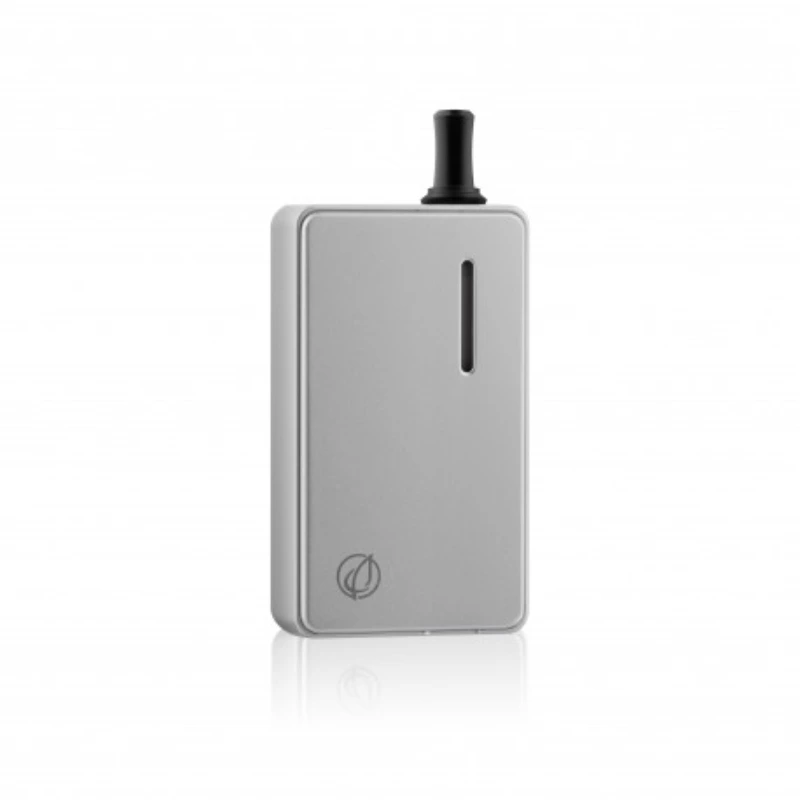 DotLeaf 1.5 DotLeaf 1.5 | ||||
|---|---|---|---|---|
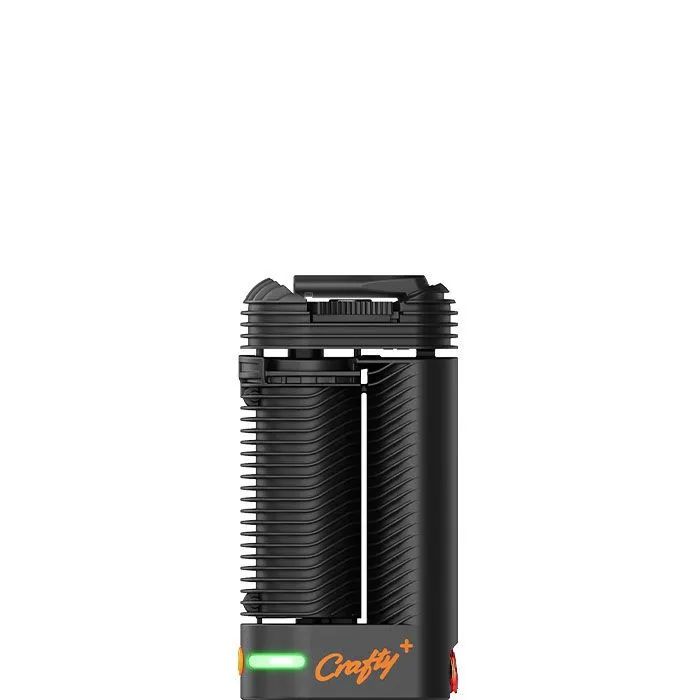
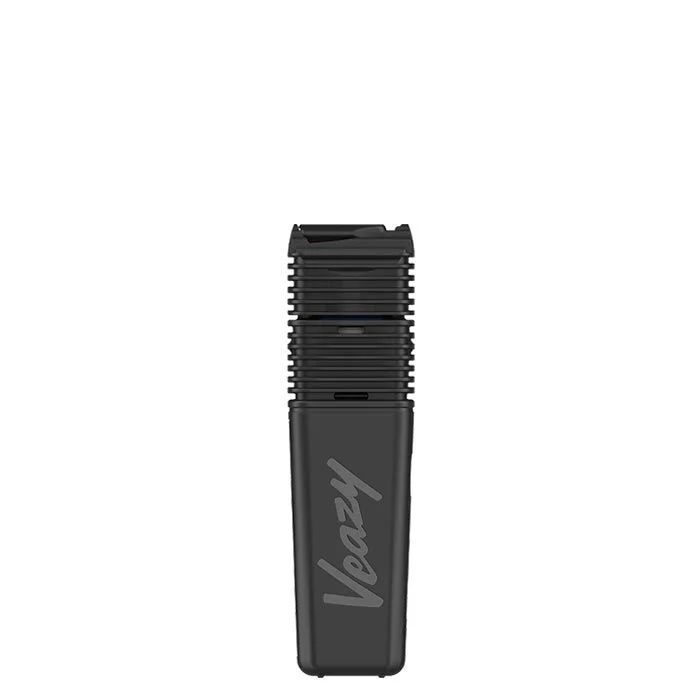
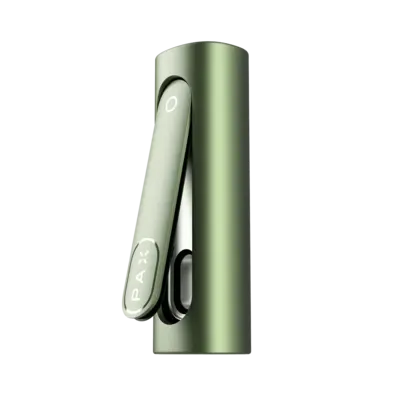
| Cena od | 145,90€ · z wysyłką do DE | 179€ · z wysyłką do DE | 180€ · z wysyłką do DE | 199€ · z wysyłką do DE |
| Typ | Przenośny | Przenośny | Przenośny | Przenośny |
| Grzanie | Kondukcja | Hybrydowy | Hybrydowy | Hybrydowy |
| Temperatura | 245°C | 40°C - 210°C | 40°C - 210°C | 180°C - 215°C |
| Czas nagrzewania | 30s | 60s | 40s | 45s |
| Bateria | 1400 mAh | b. d. | 2400 mAh | 2000 mAh |
| Waga | 85 g | 135 g | 134 g | 135 g |
Zielony = lepsza wartość
Otwórz w pełnym porównaniu →Kompatybilne Akcesoria

Sony
Accu Sony 18650 VTC5 2600 mAh 20 A
od 19,90 € z wysyłką do DE

Molicel
Molicel P28A 18650 Battery
od 17,80 € z wysyłką do DE
2 sklepów

Sony
Sony VTC6 18650 3000mAh 15A
od 17,80 € z wysyłką do DE
2 sklepów
Samsung
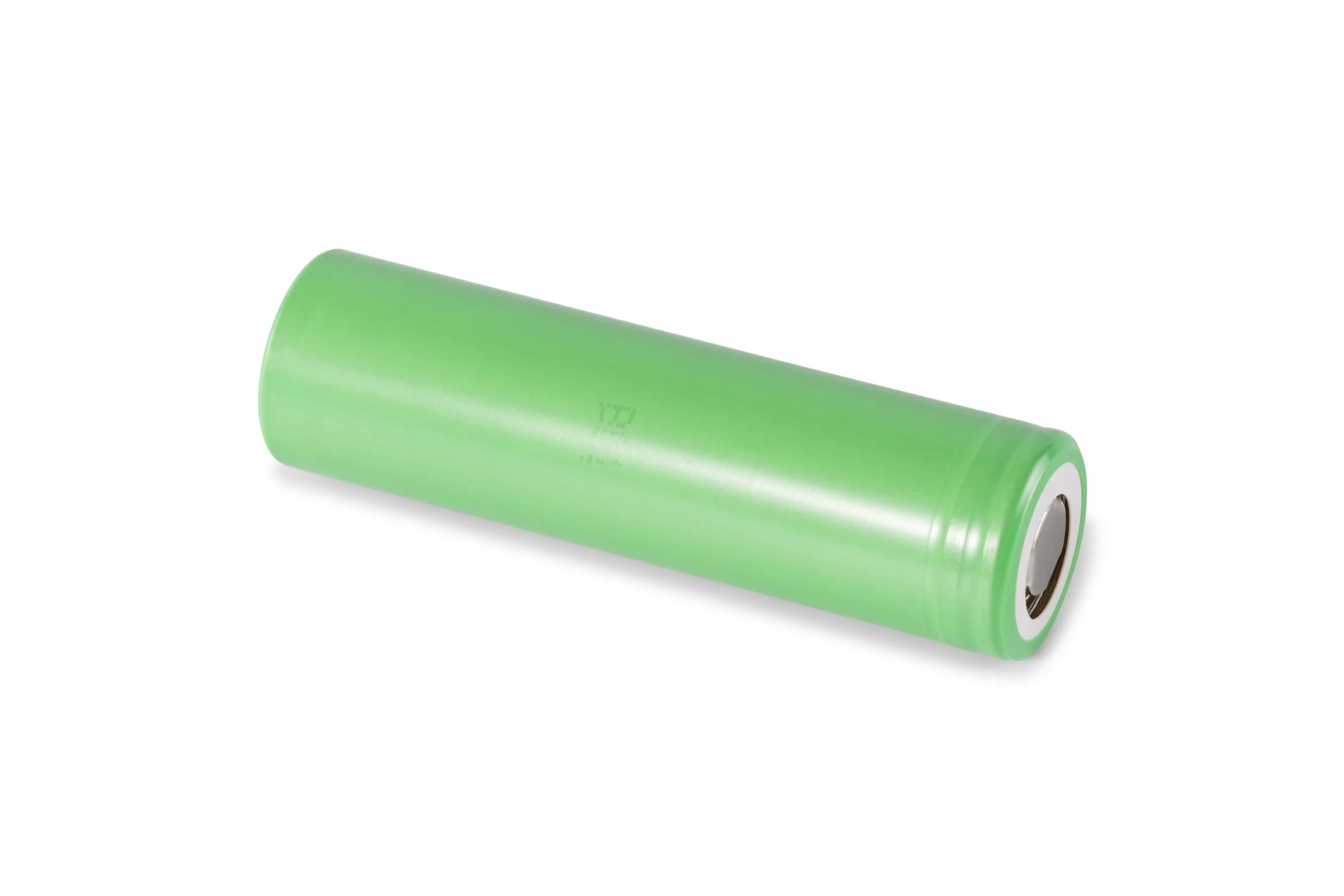
ACCU 25R 20A 18650 2500MAH SAMSUNG
od 17,80 € z wysyłką do DE
2 sklepów

Samsung
Samsung 30Q 18650 3000mAh
od 21,90 € z wysyłką do DE
Sony
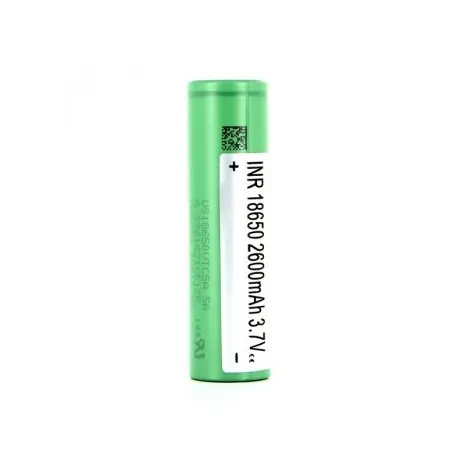
ACCU 25A 18650 2600mAh VTC5A SONY
od 19,90 € z wysyłką do DE
Golisi
Golisi S30 18650 3000mAh 25A Battery
od 19,00 € z wysyłką do DE
Jak długo działa akumulator DotLeaf 1.5?
W zależności od modelu i temperatury 4-8 sesji na jednym ładowaniu. Ładowanie USB-C trwa zazwyczaj 1-2 godziny.
Kondukcja czy konwekcja — co jest lepsze?
Kondukcja nagrzewa się szybciej i jest tańsza w produkcji. Konwekcja często zapewnia czystszy smak. Obie metody mają zalety i wady — ostatecznie liczą się osobiste preferencje.
Najlepsza cena
145,90 €
Dostępny w La Centrale Vapeur +1 Sklep
Odwiedź sklep
Komentarze
Brak komentarzy. Bądź pierwszy!
Zaloguj się, aby skomentować