Focus V Carta Sport vs Puffco Proxy: potenza contro design
Di cosa si tratta in questo duello?
Al di fuori della fascia Peak di Puffco si svolge la vera gara tra portable: e-rig compatti sotto i 250 euro che si portano davvero con sé. Focus V schiera con il Carta Sport (2025) la versione sportiva della sua linea Carta — alleggerita negli optional, potenziata su batteria e velocità di riscaldamento. Puffco risponde con il Proxy, un rig modulare a forma di pipa la cui base si inserisce in diversi accessori in vetro.
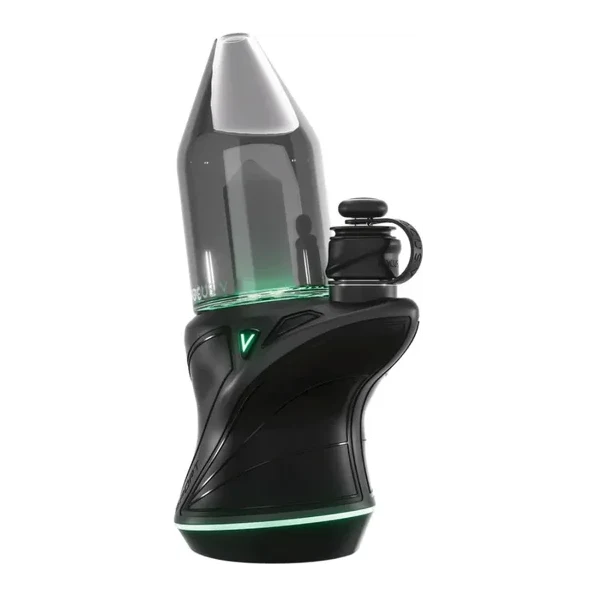

Entrambi riscaldano per conduzione, entrambi dispongono di app e filtrazione ad acqua. La decisione si gioca altrove — e i dati mostrano esattamente dove.
Le differenze sulla carta
| Caratteristica | Carta Sport | Proxy |
|---|---|---|
| Prezzo attuale | da 229,99 € spedizione inclusa | da 159,90 € spedizione inclusa |
| Forma | E-rig compatto con accessorio in vetro | Rig modulare a pipa |
| Principio di riscaldamento | Conduzione | Conduzione |
| Tempo di riscaldamento (secondi) | 10 | 30 |
| Temperatura max (°C) | 335 | 293 |
| Batteria (mAh) | 2700 | 1350 |
| Peso (grammi) | 400 | – |
| Controllo via app | Sì | No |
| Filtrazione ad acqua | Sì | Sì |
| Ricarica passthrough | Sì | – |
| Garanzia (anni) | 1 anno | 1 anno |
Fonte dati: specifiche tecniche secondo le indicazioni dei produttori Focus V e Puffco, prezzi dal nostro rilevamento giornaliero nei negozi.
Tre righe decidono questo duello: tempo di riscaldamento, batteria e garanzia. Il resto è una questione di gusti — ed è esattamente quello che andiamo ad analizzare ora.
Riscaldamento e batteria: il Carta Sport si distacca
10 secondi contro 30 — sul fronte del riscaldamento il Carta Sport gioca in un’altra categoria. Per un e-rig portatile a conduzione è un valore notevole, che rende possibili sessioni spontanee senza attese. Il Proxy impiega tre volte tanto, il che resta accettabile nella quotidianità ma nel confronto diretto si nota.
La differenza è ancora più netta sulla batteria: il Carta Sport monta 2700 mAh, esattamente il doppio dei 1350 mAh del Proxy. In più, Focus V supporta la ricarica passthrough — sessione con cavo attaccato, il livello della batteria perde la sua minaccia. Con il Proxy, invece, batteria scarica significa pausa. Chi pianifica serate lunghe o più round ha già il suo vincitore.
Design ed ecosistema: l’argomento Proxy
Perché scegliere il Proxy allora? Perché è pensato diversamente. Il vero modulo tecnologico è un’unità compatta che alloggia nella pipa in vetro inclusa — ma si inserisce ugualmente in altri accessori del catalogo Puffco. Da un solo dispositivo ne nascono così molti: pipa, bubbler o vetri artistici particolari, a seconda dell’accessorio scelto.
In mano il Proxy ricorda più una pipa di qualità che un pezzo di tecnologia — ed è proprio questo a renderlo attraente per molti.
Temperatura e garanzia: punti per Puffco
In termini di temperatura il Proxy arriva fino a 315 °C, il Carta Sport si ferma a 296 °C. Entrambi coprono le fasce di temperatura più comuni per i dab; chi preferisce temperature molto alte ha qualche margine in più con il Proxy.
La differenza è più netta sulla garanzia: Puffco offre 2 anni, Focus V solo 1. Per dispositivi attorno ai 200 euro con una camera di riscaldamento soggetta a usura non è un dettaglio — il secondo anno di copertura è un vantaggio concreto.
Come si presentano i prezzi attualmente?
In termini di prezzo i due sono vicini; i prezzi giornalieri variano a seconda del negozio e delle promozioni. I prezzi migliori attuali in sintesi:
Focus V Carta Sport
✓ Miglior prezzo: 229,99 € · inclusa spedizione @ Puff Puff Palace EU✓ Miglior prezzo: 240,11 € · inclusa spedizione @ Puff Puff Palace UK✓ Miglior prezzo: 174,47 € · inclusa spedizione @ TVape US✓ Miglior prezzo: 175,43 € @ Zee Vapor✓ Miglior prezzo: 175,43 € @ Zee Vapor✓ Miglior prezzo: 174,47 € @ TVape US
54
Puffco Proxy
✓ Miglior prezzo: 159,90 € · inclusa spedizione @ XDream Gifthouse✓ Miglior prezzo: 173,17 € · inclusa spedizione @ HerbVape✓ Miglior prezzo: 166,58 € · inclusa spedizione @ Lighter USA✓ Miglior prezzo: 166,58 € @ Lighter USA✓ Miglior prezzo: 202,24 € · inclusa spedizione @ HerbVape✓ Miglior prezzo: 202,24 € · inclusa spedizione @ HerbVape
33
Andamento dei prezzi (30 giorni)
Focus V Carta Sport
Puffco Proxy
Il verdetto: quale dovresti comprare?
Scegli il Carta Sport se la resa per euro è la tua priorità: 10 secondi di riscaldamento, batteria doppia e ricarica passthrough lo rendono il dispositivo più pratico per l’uso quotidiano — soprattutto per sessioni lunghe e round spontanei.
Scegli il Proxy se tieni alla forma, alla sensazione in mano e alla versatilità: il concetto modulare a pipa con ecosistema in vetro, un peso nettamente inferiore e il secondo anno di garanzia sono la sua moneta.
Vuoi più contesto? Il confronto Proxy vs Pivot chiarisce il duello all’interno della famiglia Puffco, e la classifica dei migliori e-rig mostra l’intero panorama con prezzi in tempo reale.
FAQ
Qual è la differenza principale tra Carta Sport e Proxy?
Il concetto: il Carta Sport è la macchina da prestazione con 10 secondi di riscaldamento, batteria da 2700 mAh e ricarica passthrough. Il Proxy è un rig modulare a pipa il cui modulo tecnologico si inserisce in diversi accessori in vetro.
Quale e-rig scalda più velocemente?
Il Carta Sport — raggiunge la temperatura in circa 10 secondi, il Proxy impiega circa 30 secondi. Entrambi riscaldano per conduzione.
Quale batteria dura di più?
Il Carta Sport ha con 2700 mAh esattamente il doppio della capacità del Proxy (1680 mAh) e supporta inoltre la ricarica passthrough — può quindi essere utilizzato durante la ricarica, il Proxy no.
Quali sono le differenze di peso e garanzia?
Il Proxy è notevolmente più leggero del Carta Sport e viene fornito con 2 anni di garanzia invece di uno per Focus V.
Quanto costano attualmente Carta Sport e Proxy?
Il Carta Sport parte attualmente da 229,99 € spedizione inclusa, il Proxy da 159,90 € spedizione inclusa. Entrambi i prezzi variano ogni giorno — le tabelle dei negozi qui sopra mostrano tutti i fornitori in tempo reale.